 admin
admin 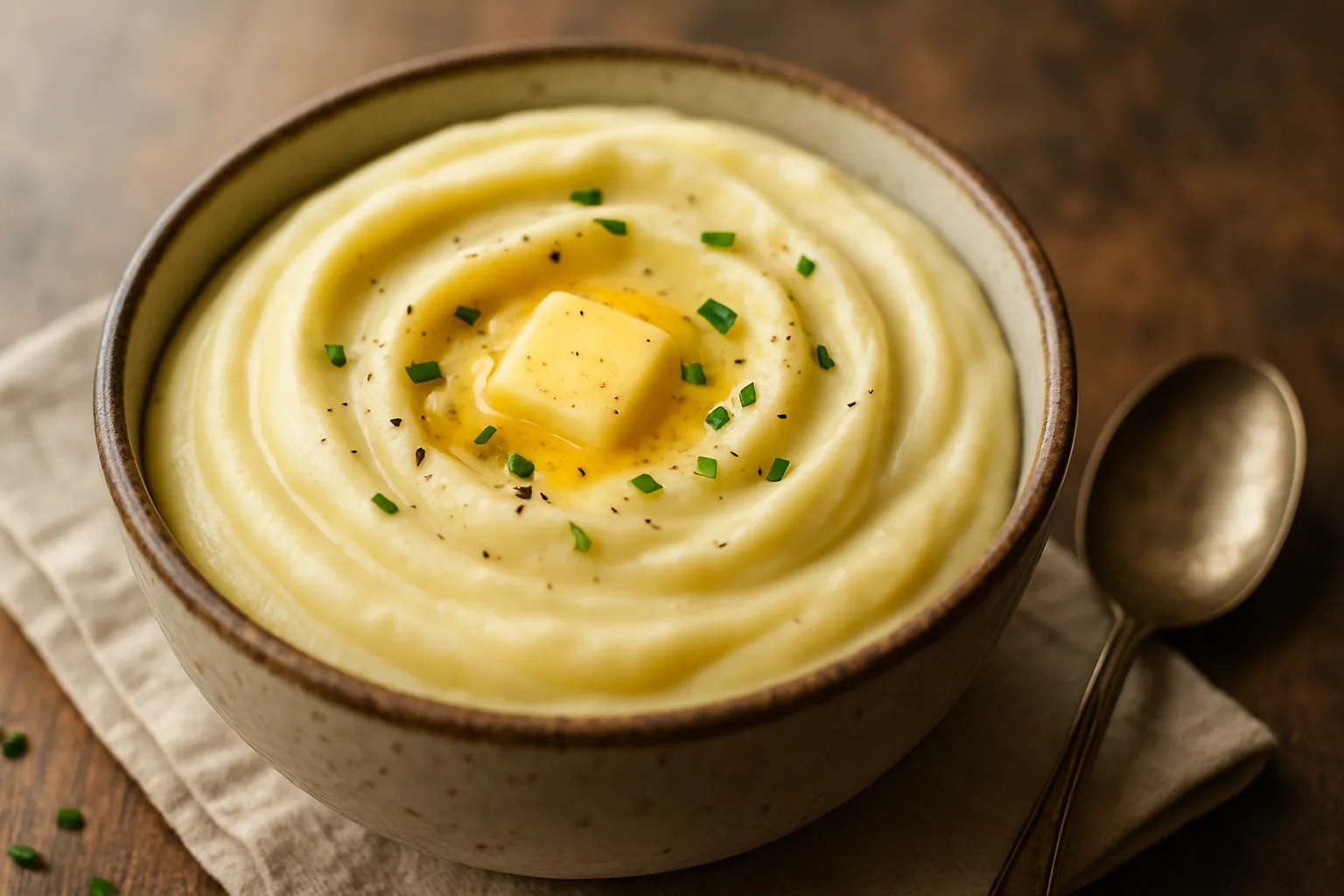
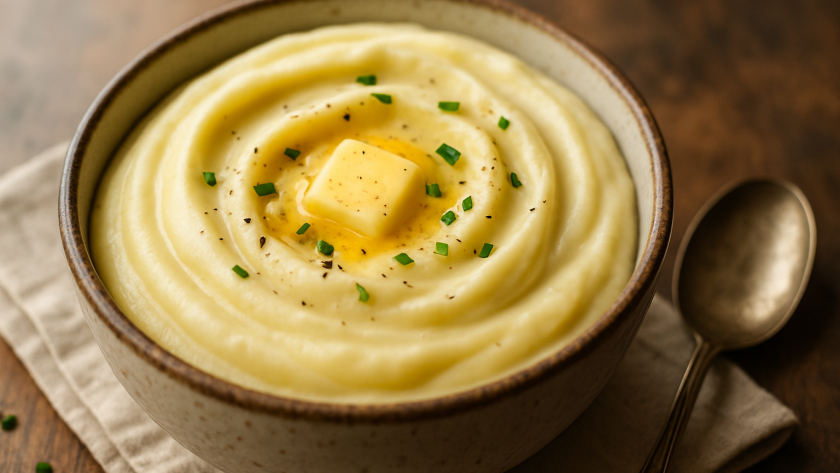
Few side dishes are as universally loved as a bowl of perfectly creamy mashed potatoes. Whether you're planning a holiday feast or a simple weeknight dinner, mastering this classic recipe means understanding the science behind starch, fat, and technique.
The secret to restaurant-quality mashed potatoes isn't just about ingredients—it's about choosing the right potato variety, warming your dairy, and knowing when to stop mixing. Over-worked potatoes turn gluey, while under-seasoned ones fall flat.
This guide walks you through every step, from selecting between Yukon Gold and Russet potatoes to achieving that silky, cloud-like texture everyone craves. With a few expert tips and common pitfall solutions, you'll never settle for lumpy or gummy mashed potatoes again.
Ingredients
- 2 pounds Yukon Gold or Russet potatoes peeled and cut into even 2-inch chunks
- 1/2 cup unsalted butter cut into pieces
- 1/2 to 3/4 cup heavy cream or whole milk warmed
- to taste salt for boiling water and seasoning
- to taste freshly ground black pepper
- 2-3 garlic cloves roasted, optional
- 1 tablespoon fresh thyme or rosemary chopped, optional
- 2 tablespoons sour cream optional, for tanginess
Instructions
- Peel the potatoes and cut them into evenly sized 2-inch chunks to ensure uniform cooking. Place them in a large pot and cover with cold water by about 1 inch. Add a generous amount of salt to the water.
- Bring the water to a boil over high heat, then reduce to a steady simmer. Cook the potatoes for 15-20 minutes, or until they are fork-tender and break apart easily when pierced.
- While the potatoes cook, warm the butter and cream together in a small saucepan over low heat or in the microwave. Keep warm but do not boil.
- Drain the potatoes thoroughly in a colander, then return them to the hot pot. Let them sit over low heat for 1-2 minutes to steam dry, which removes excess moisture and prevents watery mashed potatoes.
- Mash the potatoes using a potato ricer, food mill, or traditional masher until smooth and lump-free. For the silkiest texture, a ricer is ideal.
- Add the butter first, stirring gently to coat the starch molecules. Then gradually incorporate the warm cream, adding a little at a time and folding gently until you reach your desired consistency.
- Season generously with salt and freshly ground black pepper. Taste and adjust seasoning as needed. Serve immediately while hot and creamy.
Chef’s Tips
- Always warm your butter and cream before adding to the potatoes. Cold dairy will cool down the potatoes and make them harder to incorporate smoothly.
- Use a potato ricer or food mill for the silkiest, lump-free texture. A traditional masher works well too, but avoid using a food processor or blender, which will make the potatoes gluey.
- Add butter before liquid. The fat coats the starch molecules and prevents them from absorbing too much liquid, which helps maintain a creamy rather than gluey texture.
- Season generously and taste as you go. Potatoes need more salt than you might think to bring out their natural flavor.
- For make-ahead mashed potatoes, prepare them up to 2 days in advance, store covered in the refrigerator, and reheat gently with a splash of warm cream.
Common Mistakes to Avoid
- Over-mixing the potatoes activates too much starch, creating a gluey, paste-like texture. Mix just until smooth and stop immediately.
- Adding cold dairy cools the potatoes and makes them harder to incorporate smoothly. Always warm your butter and cream first.
- Not draining and drying the potatoes properly leads to watery, thin mashed potatoes. Return drained potatoes to the hot pot for a minute to steam off excess moisture.
- Under-seasoning is the most common flavor mistake. Potatoes are starchy and need generous salting at multiple stages—in the cooking water and again after mashing.
- Using the wrong tool like a food processor or immersion blender breaks down the starch too much, resulting in a gummy consistency.
Variations
- Garlic and Herb: Stir in 3-4 cloves of roasted garlic and 2 tablespoons of chopped fresh thyme or rosemary for an aromatic twist.
- Sour Cream and Chive: Replace half the cream with sour cream and fold in 3 tablespoons of chopped fresh chives for a tangy, fresh flavor.
- Parmesan and Black Pepper: Add 1/2 cup freshly grated Parmesan cheese and extra cracked black pepper for an Italian-inspired umami boost.
- Truffle Butter: Swap 2-3 tablespoons of regular butter with truffle butter for a luxurious, earthy upgrade perfect for special occasions.
- Horseradish Cream: Stir in 2 tablespoons of prepared horseradish for a bold, zesty side that pairs beautifully with roast beef.
Storage
Store leftover mashed potatoes in an airtight container in the refrigerator for up to 3-4 days. For longer storage, freeze in a freezer-safe container for up to 2 months. Reheat gently on the stovetop over low heat, stirring in a splash of warm milk or cream to restore creaminess. You can also reheat in the microwave in short 30-second intervals, adding liquid and stirring between each interval to prevent drying out.
Frequently Asked Questions
What kind of potatoes are best for creamy mashed potatoes?
Yukon Gold potatoes are ideal for creamy mashed potatoes because they have a naturally buttery flavor and medium starch content. Russet potatoes also work well and produce a fluffier texture due to their higher starch content. Avoid waxy potatoes like red or fingerling varieties, as they don't mash as smoothly.
Should you add cold or warm milk to mashed potatoes?
Always add warm milk or cream to mashed potatoes. Cold dairy will cool down the potatoes, making them harder to mix smoothly and resulting in a less creamy texture. Warm the butter and cream together before incorporating them into the mashed potatoes.
Can you make mashed potatoes ahead of time?
Yes, you can make mashed potatoes up to 2 days in advance. Store them covered in the refrigerator and reheat gently on the stovetop or in the microwave, adding a splash of warm cream or milk to restore their creamy consistency. Stir frequently while reheating to prevent scorching.
How do I make dairy-free creamy mashed potatoes?
Replace butter with vegan butter or olive oil, and use warm unsweetened plant-based milk such as oat, almond, or cashew milk. For extra richness, add a splash of full-fat coconut milk. The technique remains the same—warm the dairy alternatives before adding and mix gently.
Why are my mashed potatoes gluey?
Gluey mashed potatoes are caused by over-mixing, which breaks down the starch cells and releases too much starch into the mixture. To avoid this, mash just until smooth and fold in the dairy gently. Using a food processor or blender will also create a gluey texture, so stick to a ricer, food mill, or hand masher.