 admin
admin 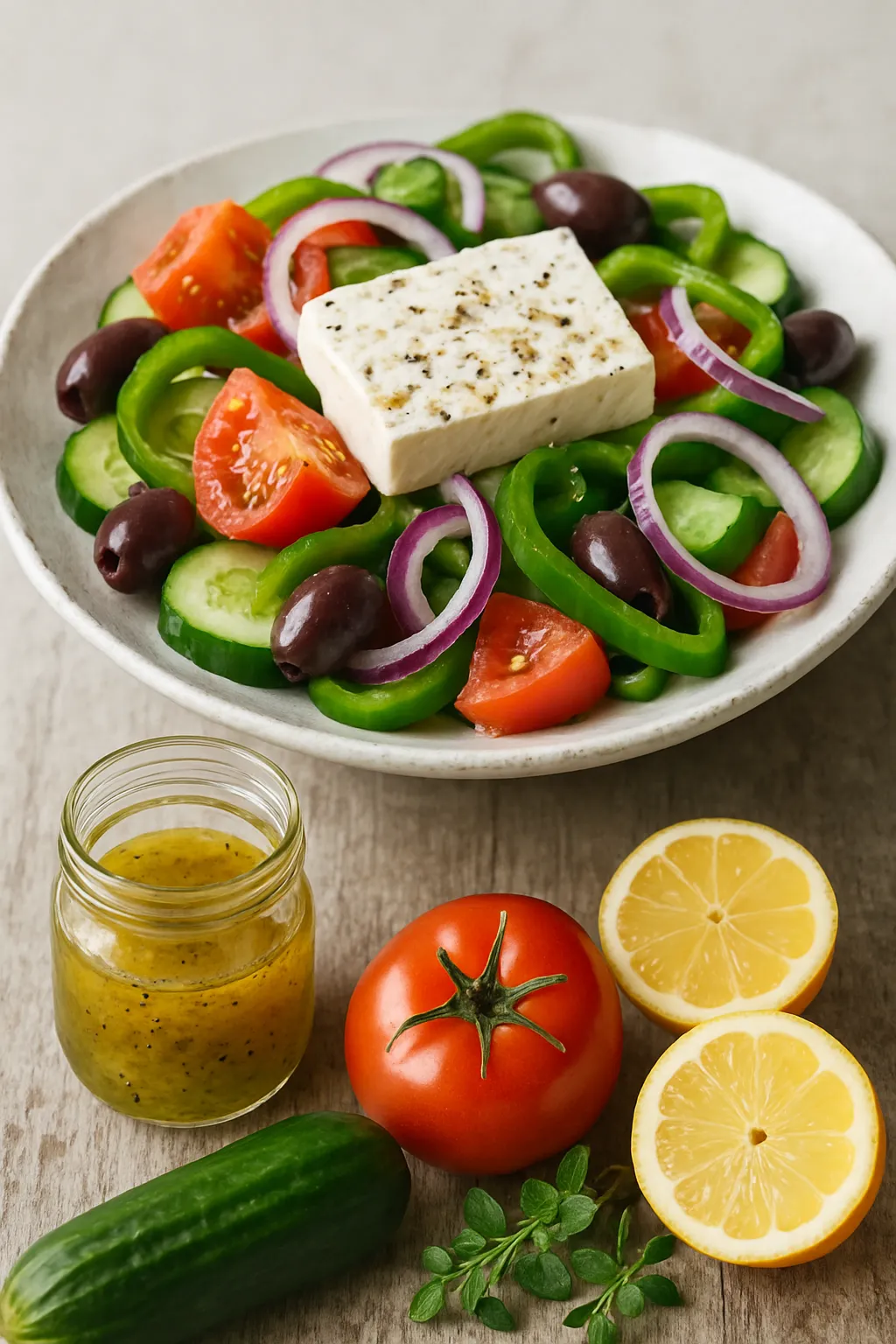
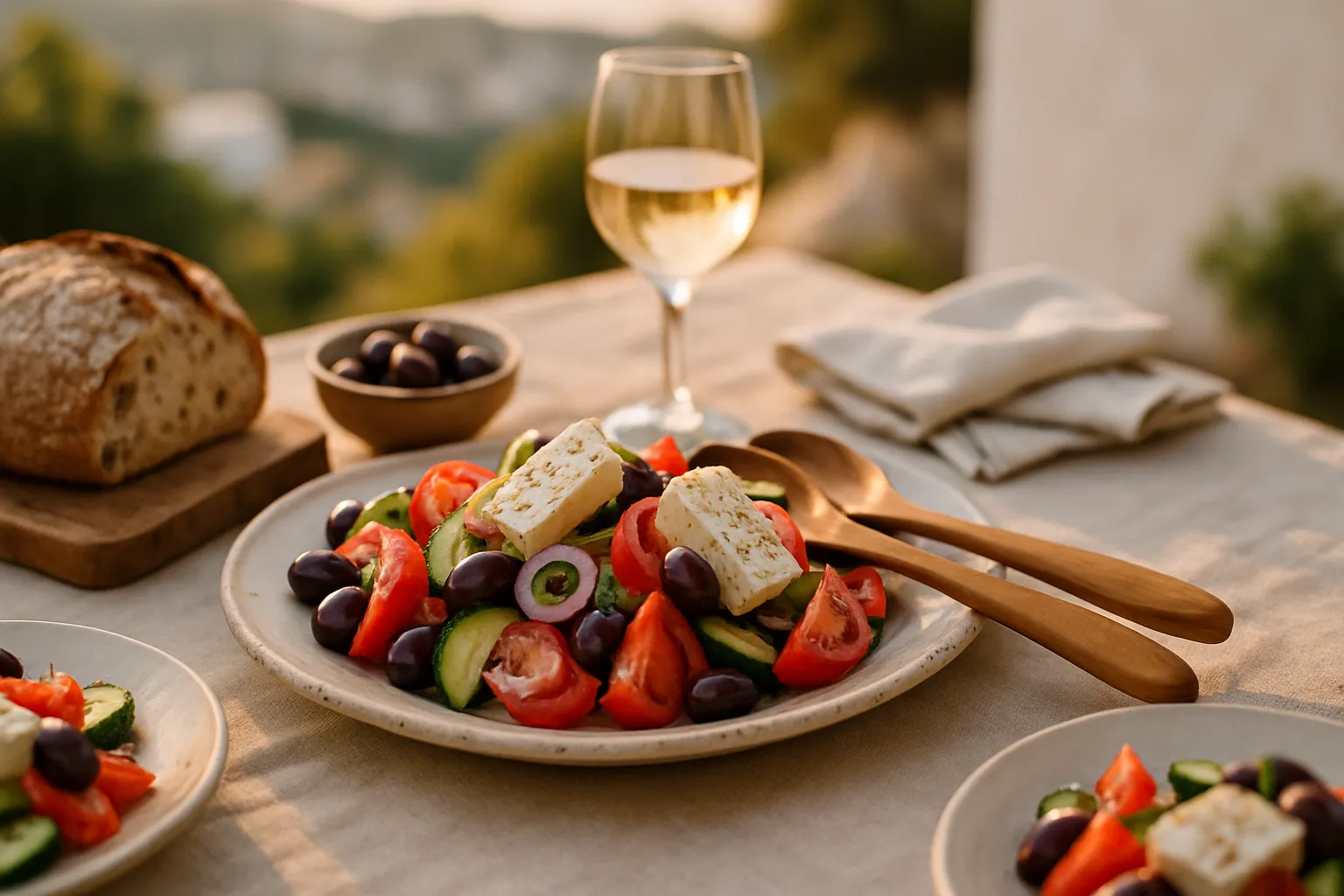
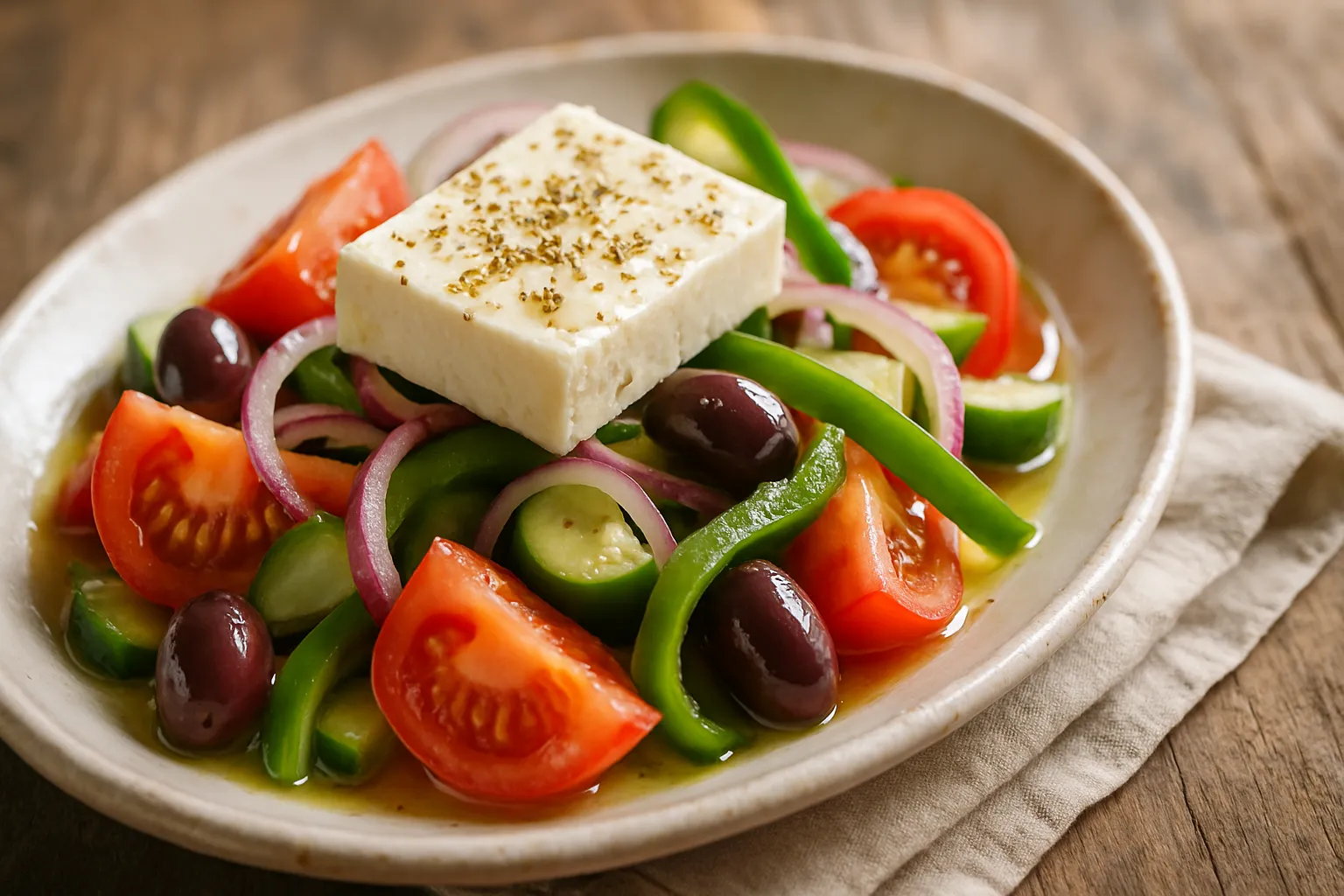
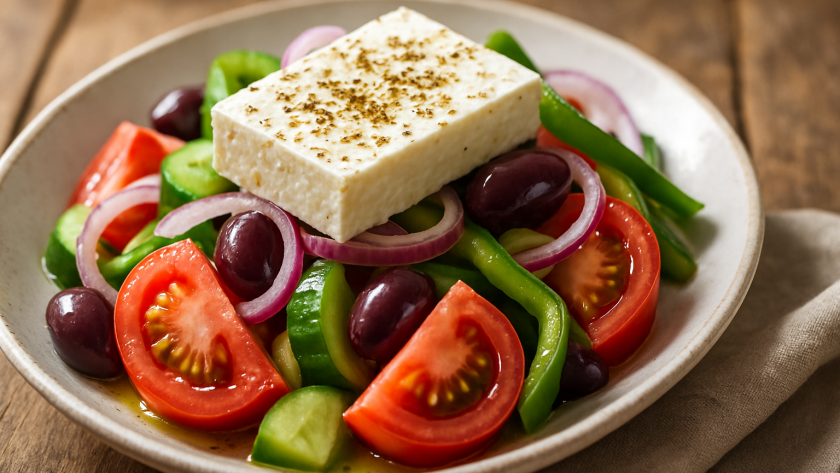
Greek salad, known as Horiatiki in Greece, is a vibrant celebration of fresh Mediterranean vegetables, briny olives, and creamy feta cheese. Unlike the lettuce-heavy versions found in many restaurants, authentic Greek salad focuses on chunky, ripe tomatoes, crisp cucumbers, and a simple homemade dressing that lets each ingredient shine.
The secret to an unforgettable Greek salad lies in two elements: quality ingredients and a perfectly balanced dressing. The homemade lemon-oregano vinaigrette takes just minutes to whisk together, yet it transforms simple vegetables into a dish that tastes like a sunny afternoon on a Greek island.
This recipe honors traditional preparation methods while offering practical tips for sourcing ingredients in Italy. Whether you're meal prepping for the week or serving a crowd at your next gathering, this Greek salad delivers bold flavors, satisfying textures, and impressive health benefits with minimal effort.
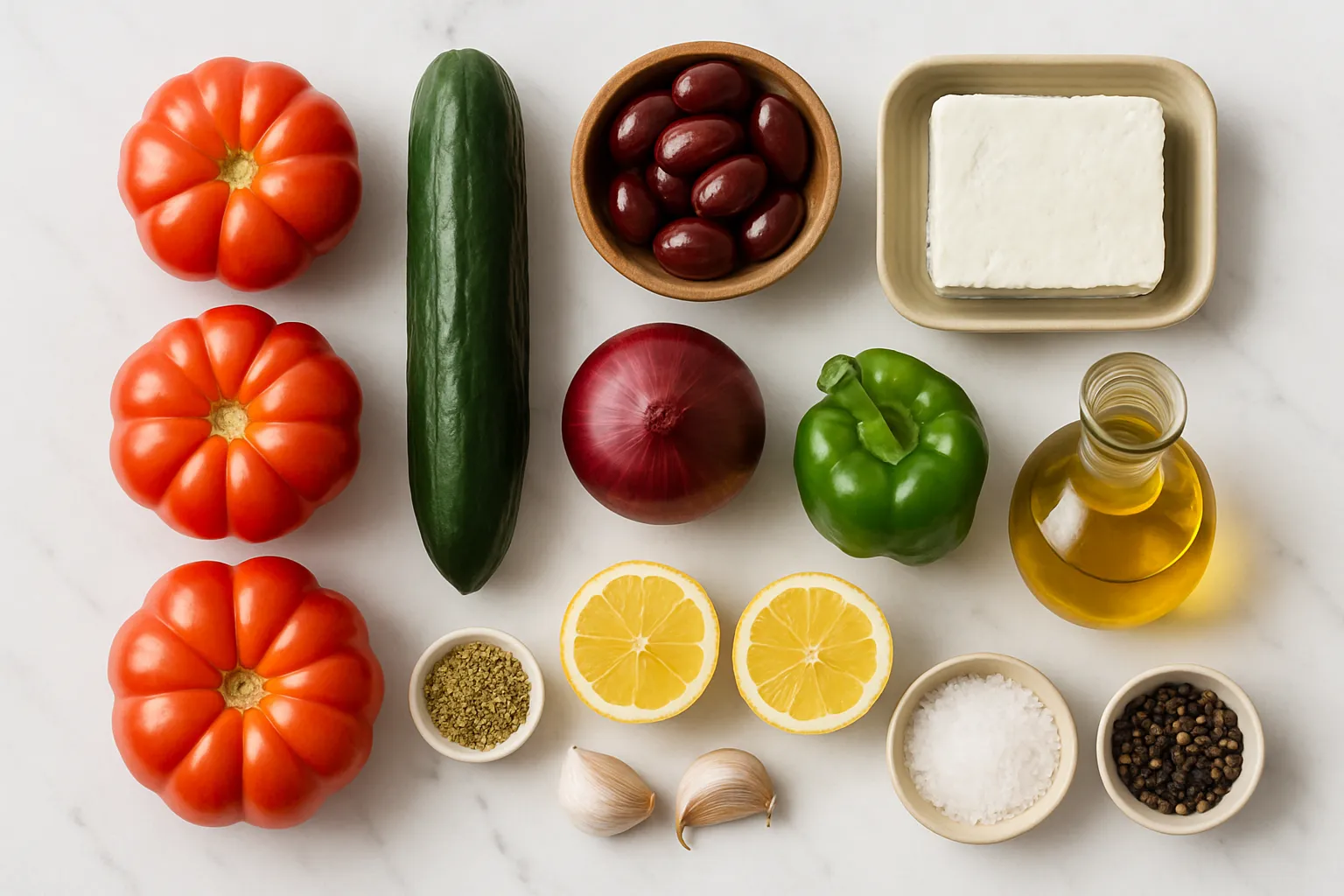
Ingredients
- 4 large ripe tomatoes preferably heirloom or vine-ripened, cut into wedges
- 1 large cucumber peeled in stripes and cut into thick half-moons
- 1 medium red onion thinly sliced into rings
- 150 g Kalamata olives whole or pitted
- 200 g feta cheese Greek feta in brine, cut into thick slabs or cubes
- 1 medium green bell pepper seeded and cut into rings or strips
- 80 ml extra virgin olive oil for dressing
- 2 tablespoons fresh lemon juice from about 1 lemon
- 1 teaspoon dried oregano preferably Greek oregano
- 1 clove garlic minced or pressed
- to taste sea salt
- to taste freshly ground black pepper
Instructions
- Prepare the dressing first to allow flavors to meld. In a small bowl or jar, combine the extra virgin olive oil, fresh lemon juice, minced garlic, dried oregano, salt, and pepper. Whisk vigorously for 30 seconds until emulsified, or shake in a sealed jar for 15-20 seconds. Set aside for at least 10 minutes.
- Cut the tomatoes into thick wedges (about 6-8 pieces per tomato). Peel the cucumber in alternating stripes for visual appeal, then halve lengthwise and slice into thick half-moons, about 1 cm thick.
- Slice the red onion into thin rings and the green bell pepper into rings or strips. Keep all vegetables in generous, chunky pieces—this is key to authentic Horiatiki presentation.
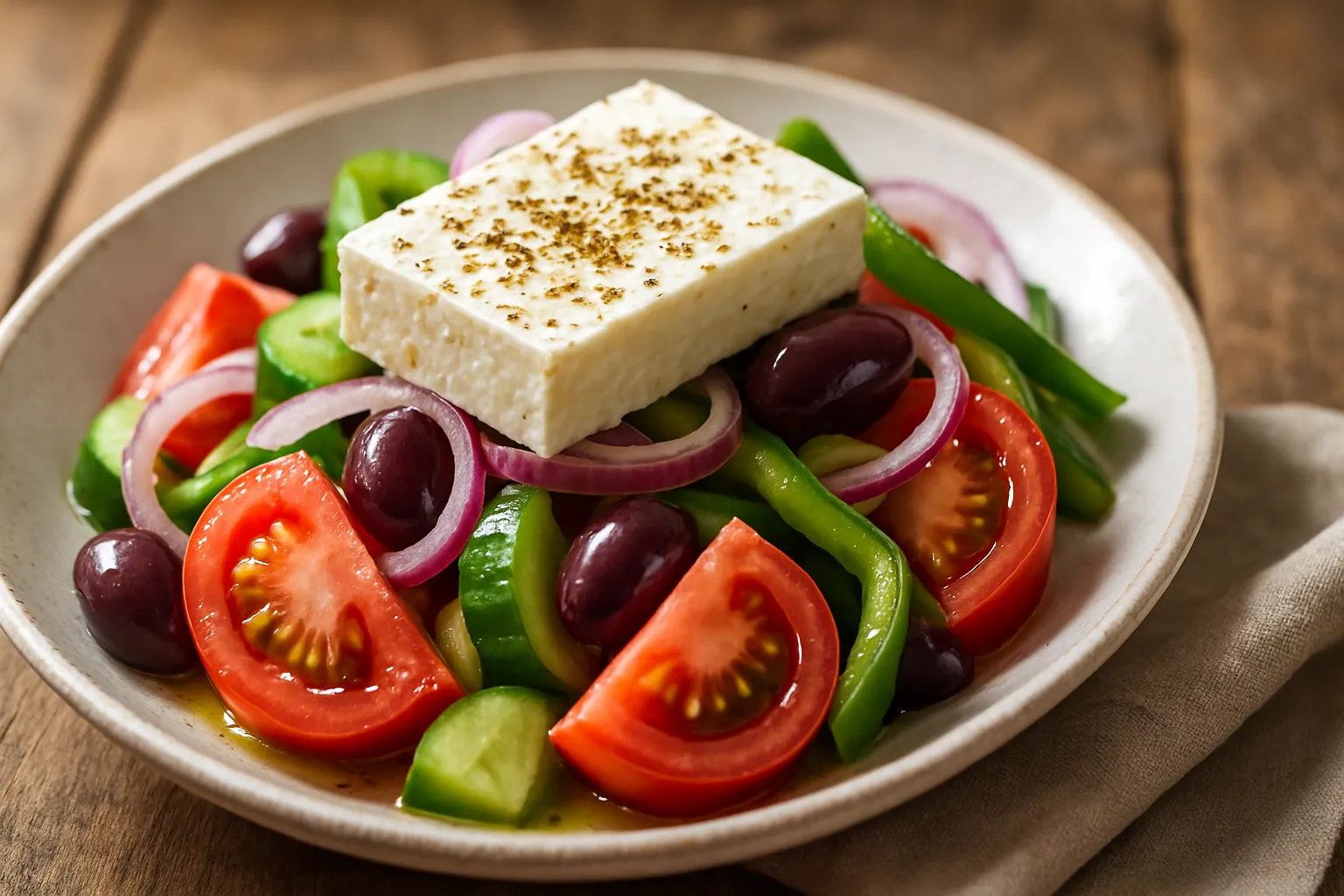
- Arrange the tomatoes, cucumber, onion, and bell pepper on a large serving platter or in a wide, shallow bowl. Scatter the Kalamata olives over the vegetables.
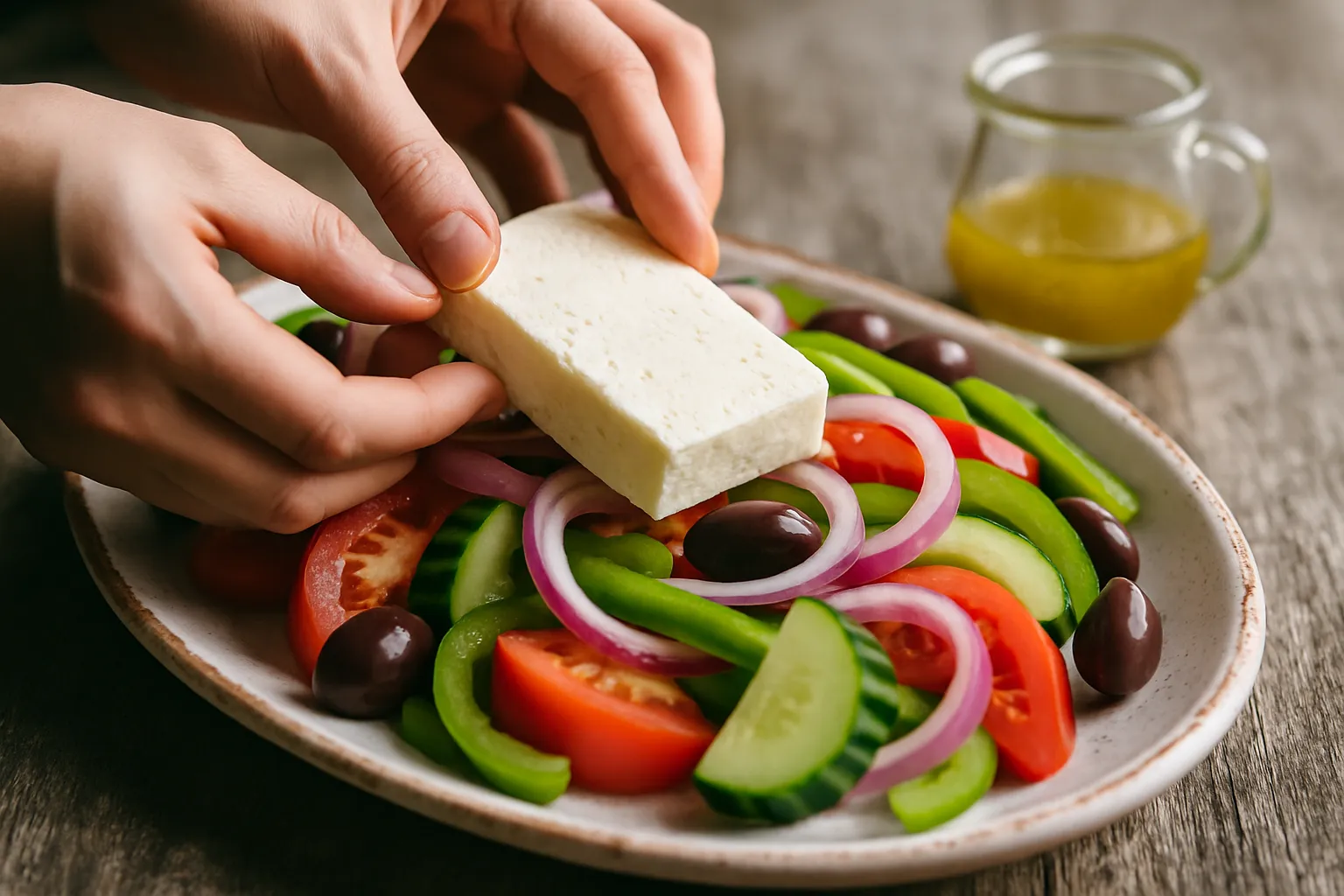
- Place the feta cheese on top of the salad in thick slabs or large cubes—traditionally, it sits proudly on top rather than being tossed through.
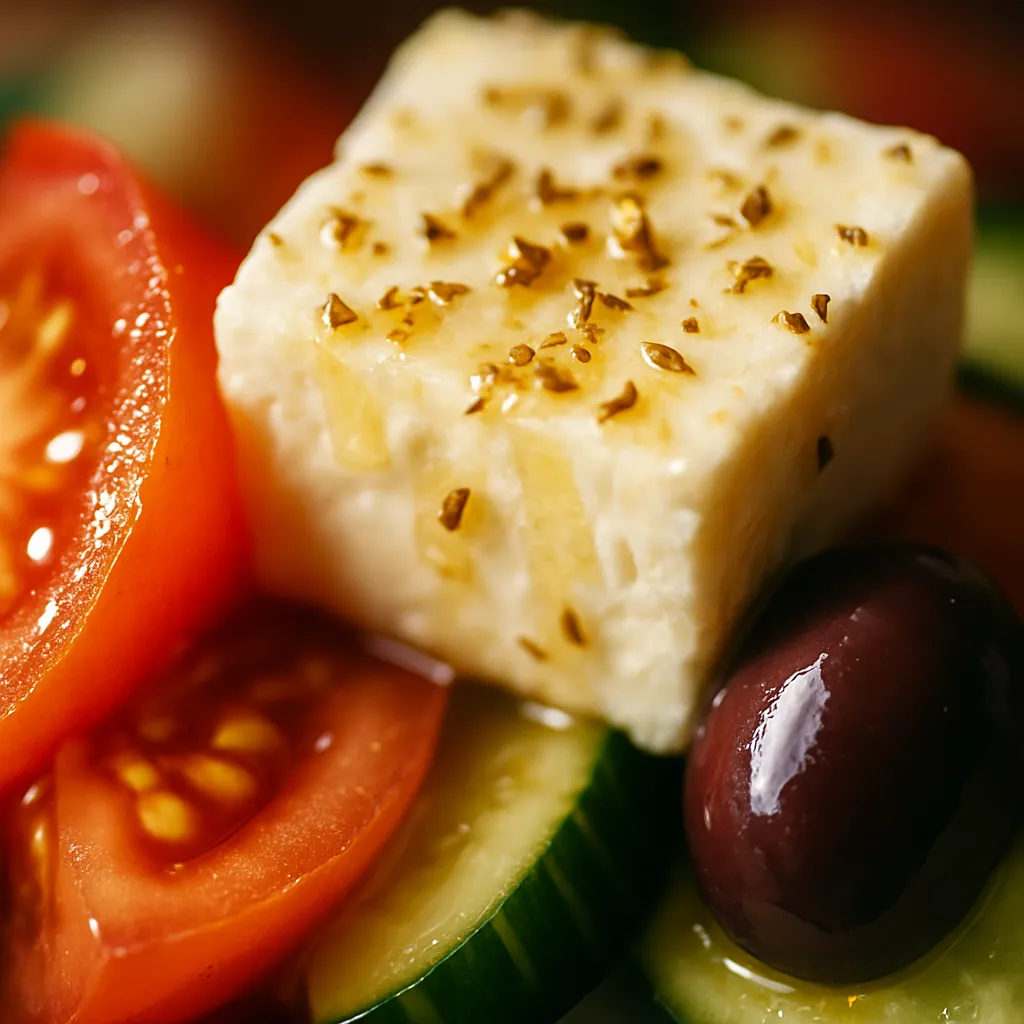
- Just before serving, give the dressing a final whisk or shake, then drizzle it evenly over the entire salad. Finish with an extra sprinkle of dried oregano and a generous drizzle of olive oil over the feta.
Chef’s Tips
- Use the ripest, most flavorful tomatoes you can find—they're the star of this dish. In Italy, look for San Marzano or Cuore di Bue varieties during peak season.
- Don't overdress the salad. Start with three-quarters of the dressing, then add more if needed. The vegetables should glisten, not swim.
- Let the dressing rest for 10-15 minutes before using. This allows the garlic and oregano to infuse the oil and mellow the raw garlic bite.
- For the most authentic experience, serve the salad at room temperature rather than cold. Remove vegetables from the fridge 20 minutes before assembling.
- Invest in quality Greek feta cheese in brine—it has a creamier texture and tangier flavor than pre-crumbled varieties. Rinse briefly if too salty.
Common Mistakes to Avoid
- Using underripe or flavorless tomatoes. Off-season tomatoes will make a bland salad—wait for peak summer produce or use cherry tomatoes as a substitute.
- Adding the dressing too early. Dress the salad just before serving to prevent vegetables from releasing water and creating a soggy, diluted dish.
- Chopping vegetables too small. Authentic Greek salad features chunky, bite-sized pieces that showcase each ingredient's texture and flavor.
- Over-dressing the salad. A light coating is all you need—too much dressing overwhelms the fresh vegetables and makes the salad heavy.
- Skipping the resting time for the dressing. Those 10-15 minutes allow the flavors to marry and the garlic to mellow, creating a more balanced vinaigrette.
Variations
- Add capers for extra briny punch and authentic Greek flavor. Rinse them first to remove excess salt.
- Include fresh herbs like parsley or mint for a brighter, more herbaceous profile. Chop coarsely and scatter over the top.
- Make it a meal by adding grilled chicken, lamb souvlaki, or pan-seared shrimp on top of the salad.
- Try red wine vinegar instead of lemon juice for a slightly different tang—use about 1.5 tablespoons to start.
- For a vegan version, substitute feta with marinated tofu cubes or a plant-based feta alternative available in Italian specialty stores.
Storage
Store the homemade dressing in an airtight jar in the refrigerator for up to one week. Shake well before each use as the oil and lemon will separate. For the salad itself, keep chopped vegetables and feta in separate airtight containers in the fridge for up to 2 days. Assemble and dress the salad just before serving to maintain crispness and prevent sogginess. If meal prepping, pack dressing separately in small containers and add at serving time.
Frequently Asked Questions
Can I make the dressing ahead of time?
Yes! The dressing actually improves with time as the flavors meld. Make it up to one week ahead and store in an airtight jar in the refrigerator. Bring to room temperature and shake well before using, as the olive oil may solidify when cold.
Why doesn't authentic Greek salad have lettuce?
Traditional Horiatiki salad focuses on chunky, flavorful vegetables that can stand up to a robust olive oil dressing. Lettuce would wilt and dilute the bold flavors. The salad is meant to be hearty and substantial, not a light leafy green base.
What type of olives are best for Greek salad?
Kalamata olives are the classic choice—they're dark purple, almond-shaped, and have a rich, fruity flavor. If unavailable in Italy, look for other Greek varieties like Amfissa or use quality Italian black olives as a substitute.
Can I substitute red wine vinegar for lemon juice?
Yes, red wine vinegar is a common variation in Greek dressing. Use about 1.5 tablespoons to start, as it's slightly less acidic than lemon juice. The flavor will be earthier and less bright, but still delicious and authentic.
What are good vegan alternatives to feta cheese?
Look for plant-based feta alternatives made from tofu or nuts, increasingly available in Italian health food stores. Alternatively, marinate firm tofu cubes in olive oil, lemon juice, oregano, and salt for 24 hours to create a tangy, feta-like flavor.
How do I prevent the salad from becoming watery?
Always dress the salad just before serving, and avoid over-salting the vegetables in advance, which draws out moisture. Use ripe but firm tomatoes, and consider removing some of the cucumber seeds if they're very watery.