 admin
admin 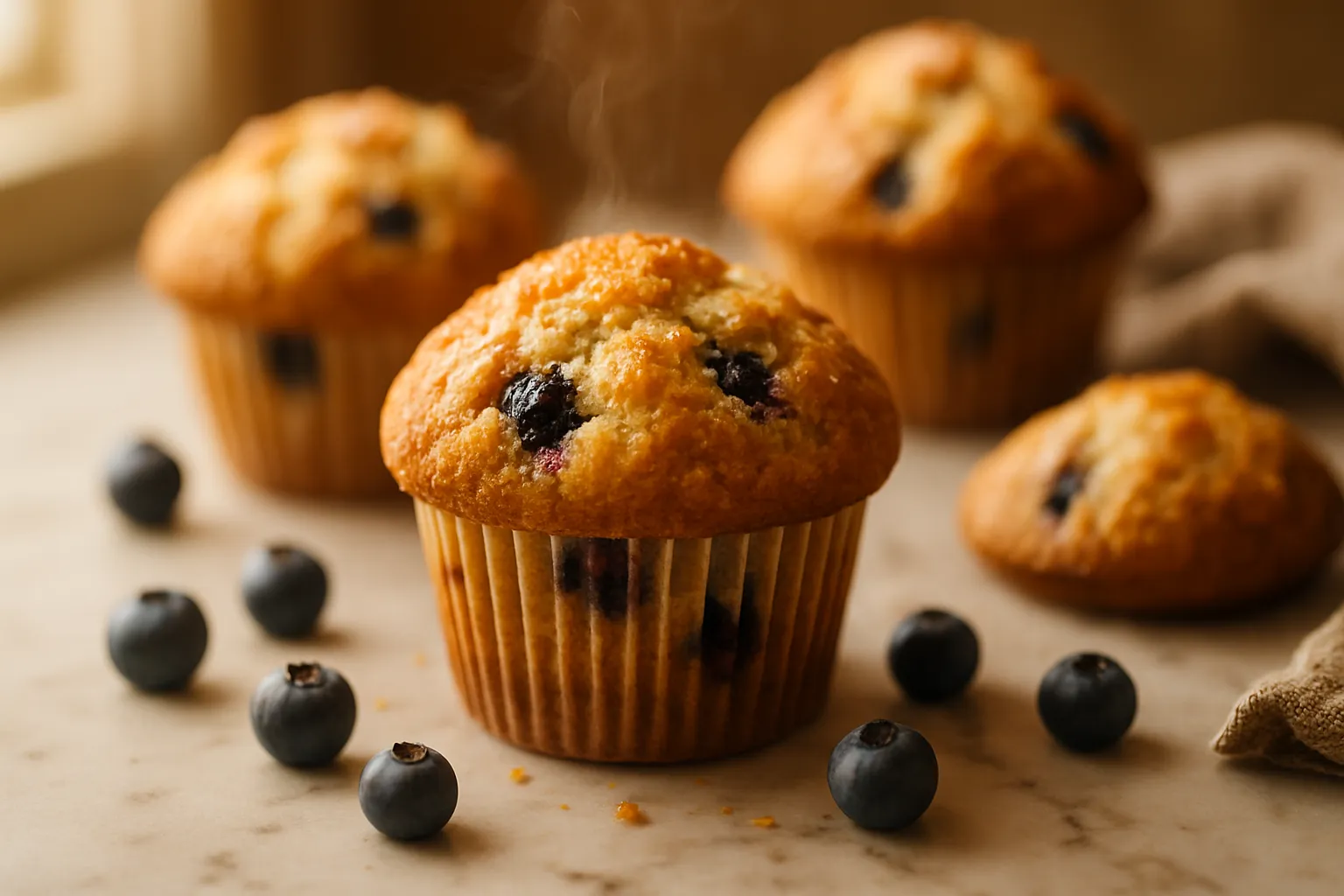
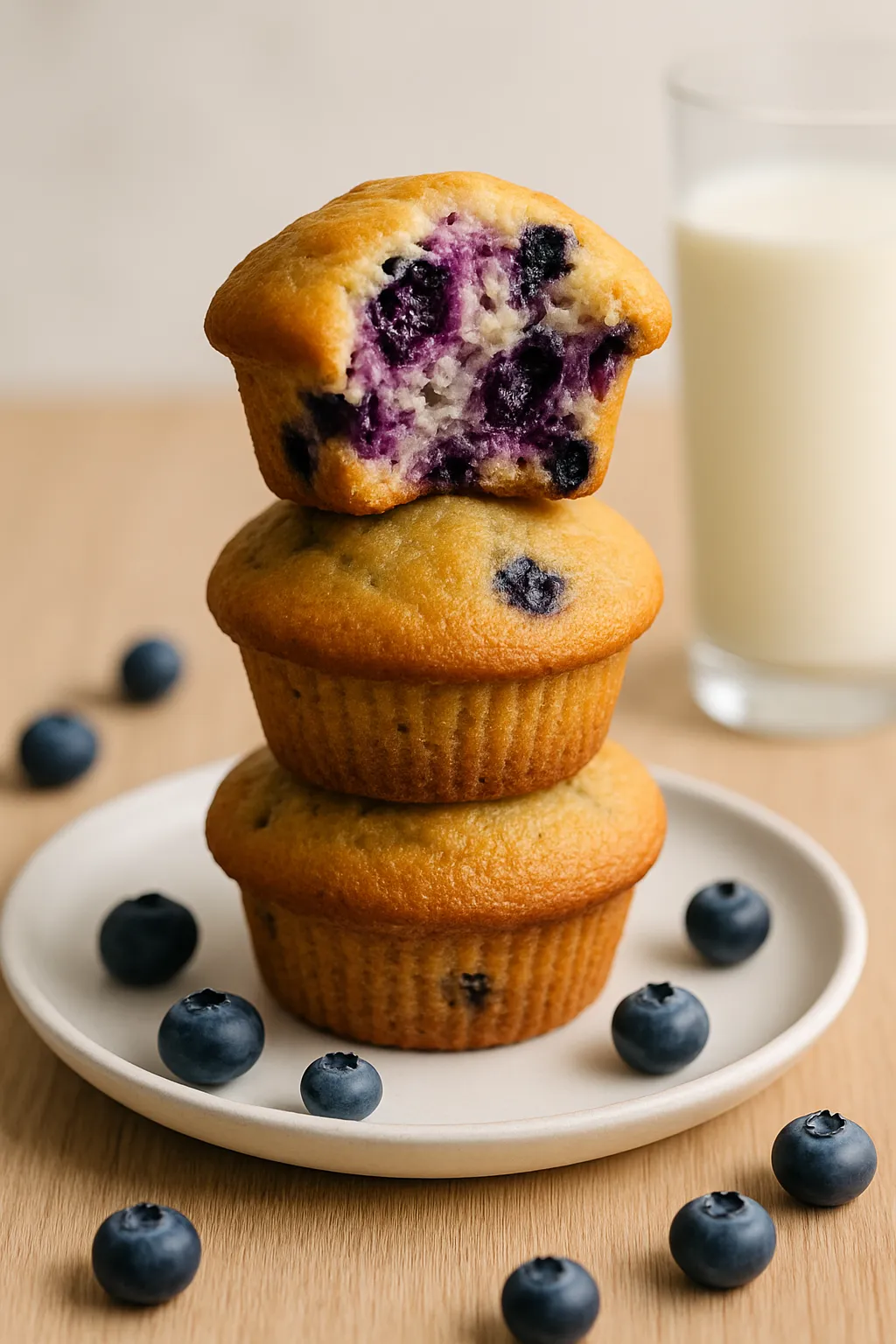
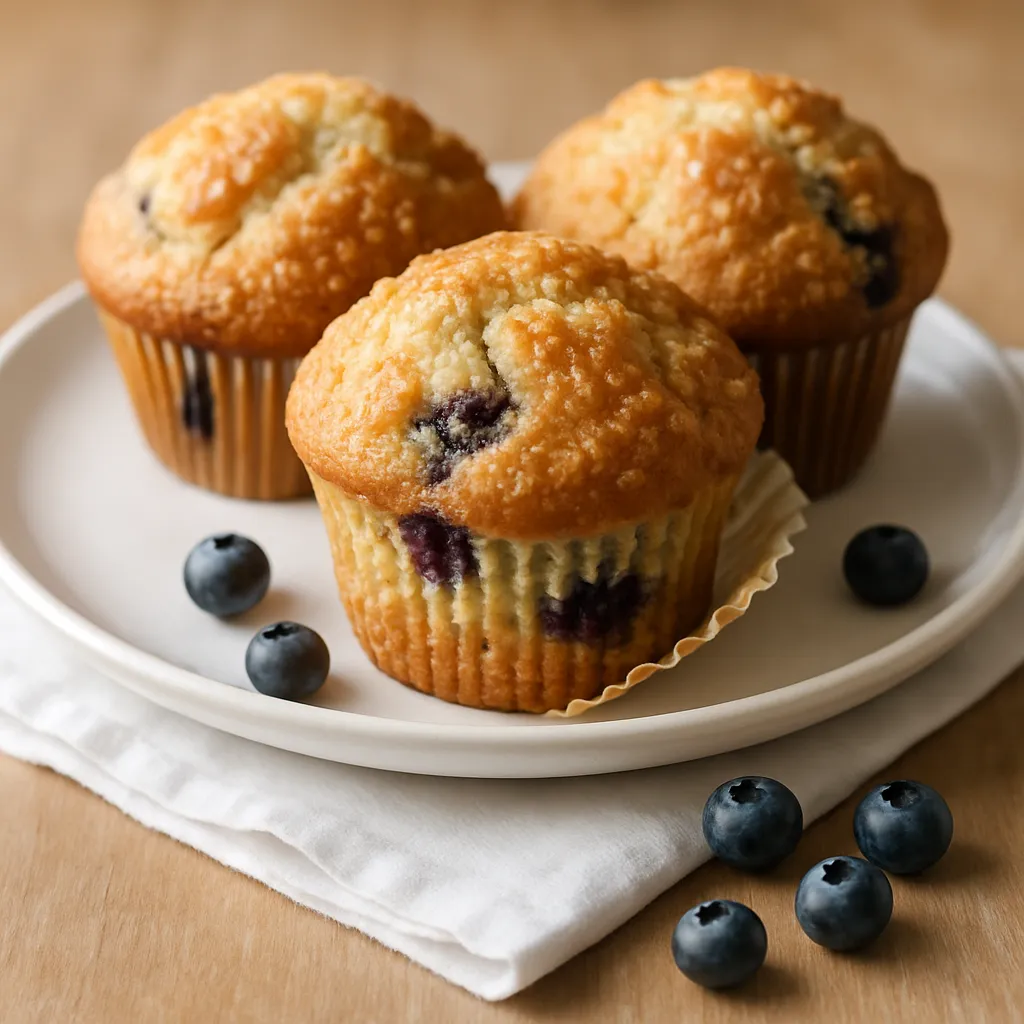
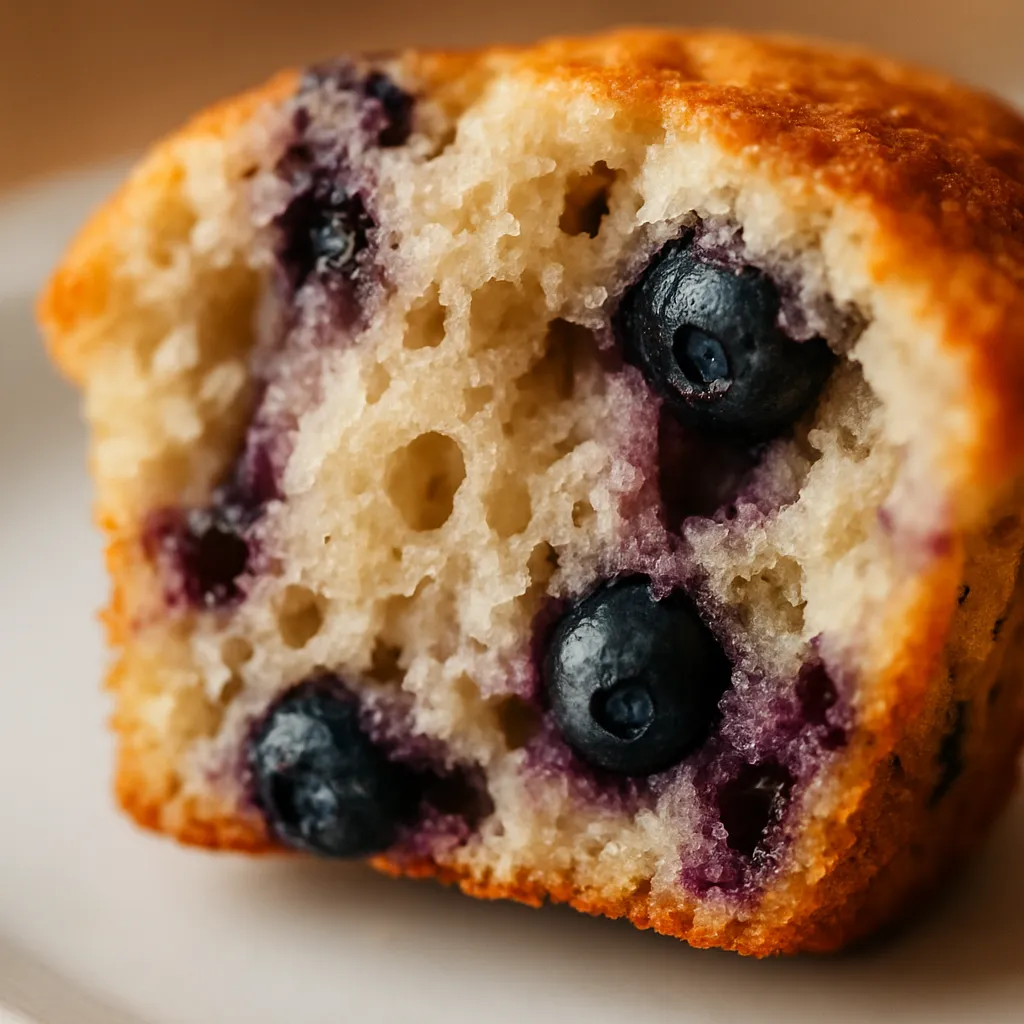
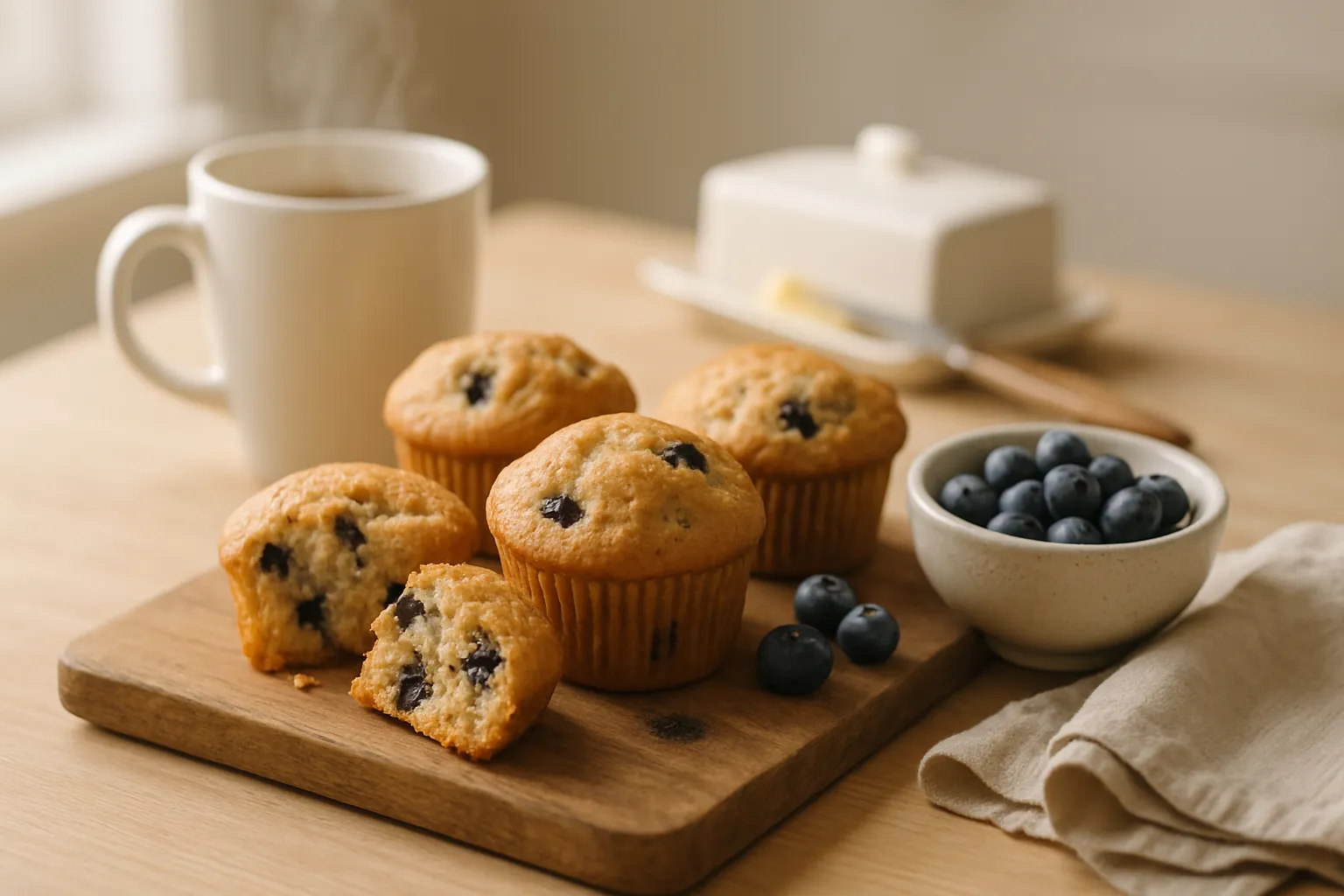
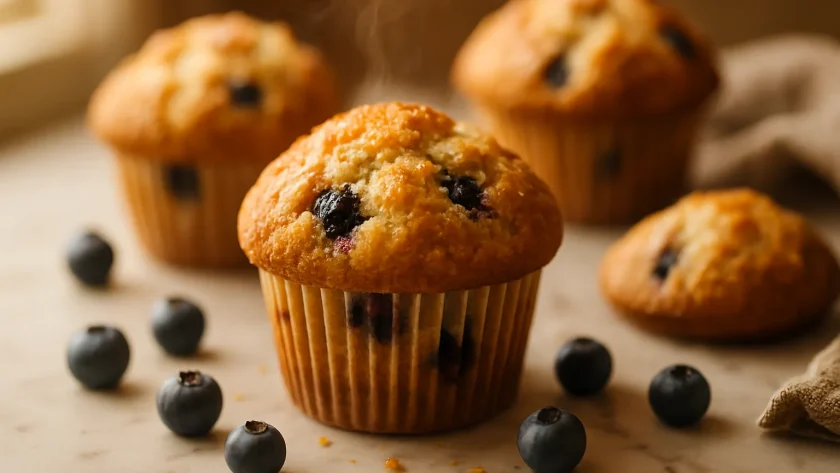
There's nothing quite like biting into a warm blueberry muffin with a golden, domed top and a tender, moist crumb studded with juicy berries. These bakery-style blueberry muffins deliver that perfect balance of sweetness, texture, and fresh blueberry flavor in every bite.
The secret to achieving those tall, beautiful muffin tops lies in a simple two-temperature baking technique and proper mixing method. By starting with high heat and avoiding overmixing, you'll create muffins that rise beautifully and stay incredibly tender.
Whether you're using fresh or frozen blueberries, this foolproof recipe will guide you through every step to ensure consistent, delicious results. Perfect for breakfast, brunch, or an afternoon treat with coffee, these muffins are sure to become a household favorite.
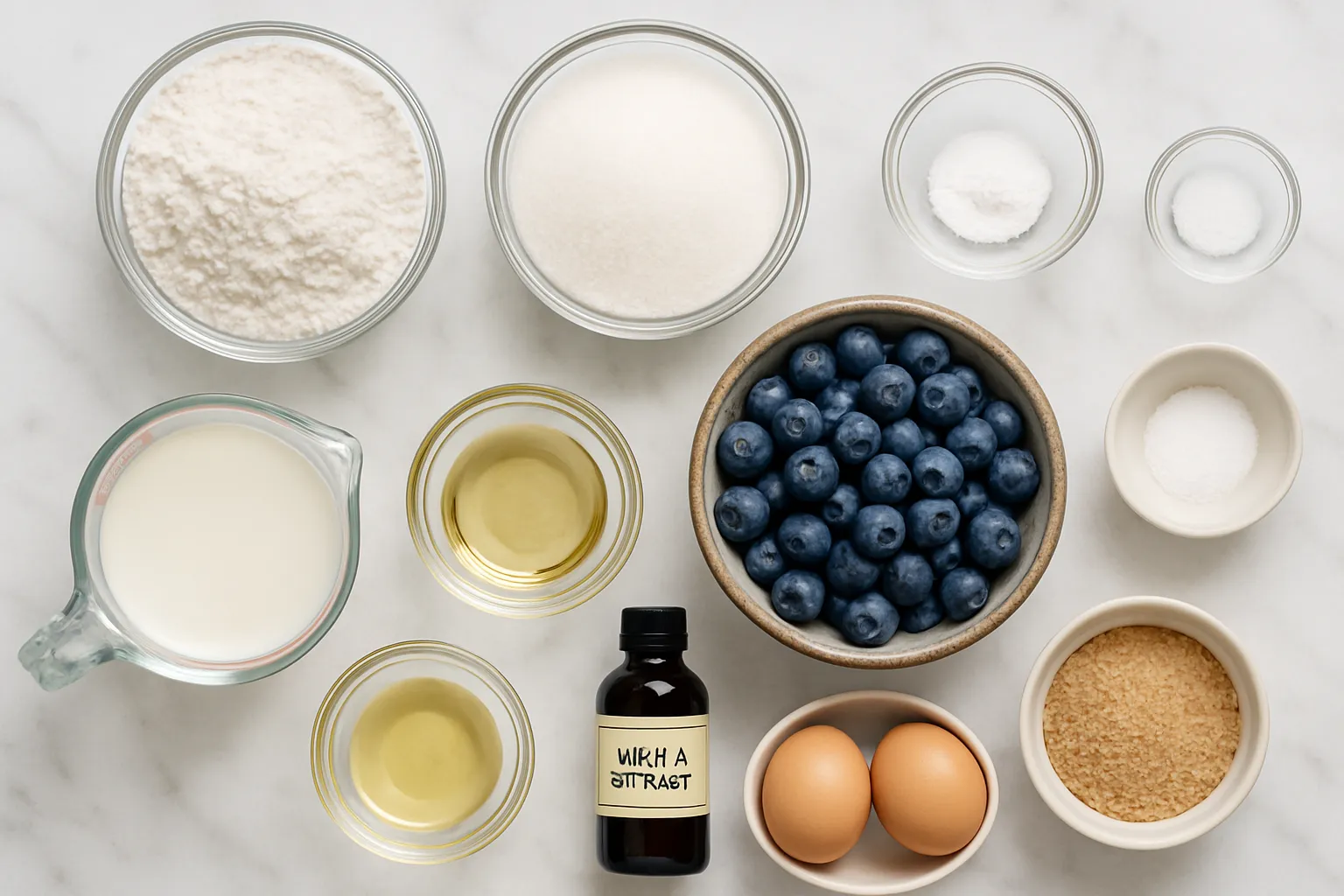
Ingredients
- 280g (2¼ cups) All-purpose flour plus 1 tablespoon for coating blueberries
- 200g (1 cup) Granulated sugar
- 2½ teaspoons Baking powder ensure it's fresh for best rise
- ½ teaspoon Salt
- 240ml (1 cup) Whole milk room temperature; buttermilk works too
- 120ml (½ cup) Vegetable oil or melted butter oil creates moister texture
- 2 Large eggs room temperature
- 2 teaspoons Vanilla extract
- 200g (1½ cups) Fresh or frozen blueberries do not thaw if frozen
- 2 tablespoons Turbinado or coarse sugar optional, for topping
Instructions
- Preheat your oven to 220°C (425°F). Line a 12-cup muffin tin with paper liners or grease generously with butter. This high starting temperature is key to achieving tall, domed tops.
- In a large bowl, whisk together 280g flour, sugar, baking powder, and salt. In a separate medium bowl, whisk together milk, oil (or melted butter), eggs, and vanilla extract until well combined.
- Pour the wet ingredients into the dry ingredients and gently fold together using a spatula until just combined. The batter should be slightly lumpy—do not overmix or your muffins will be tough and dense.
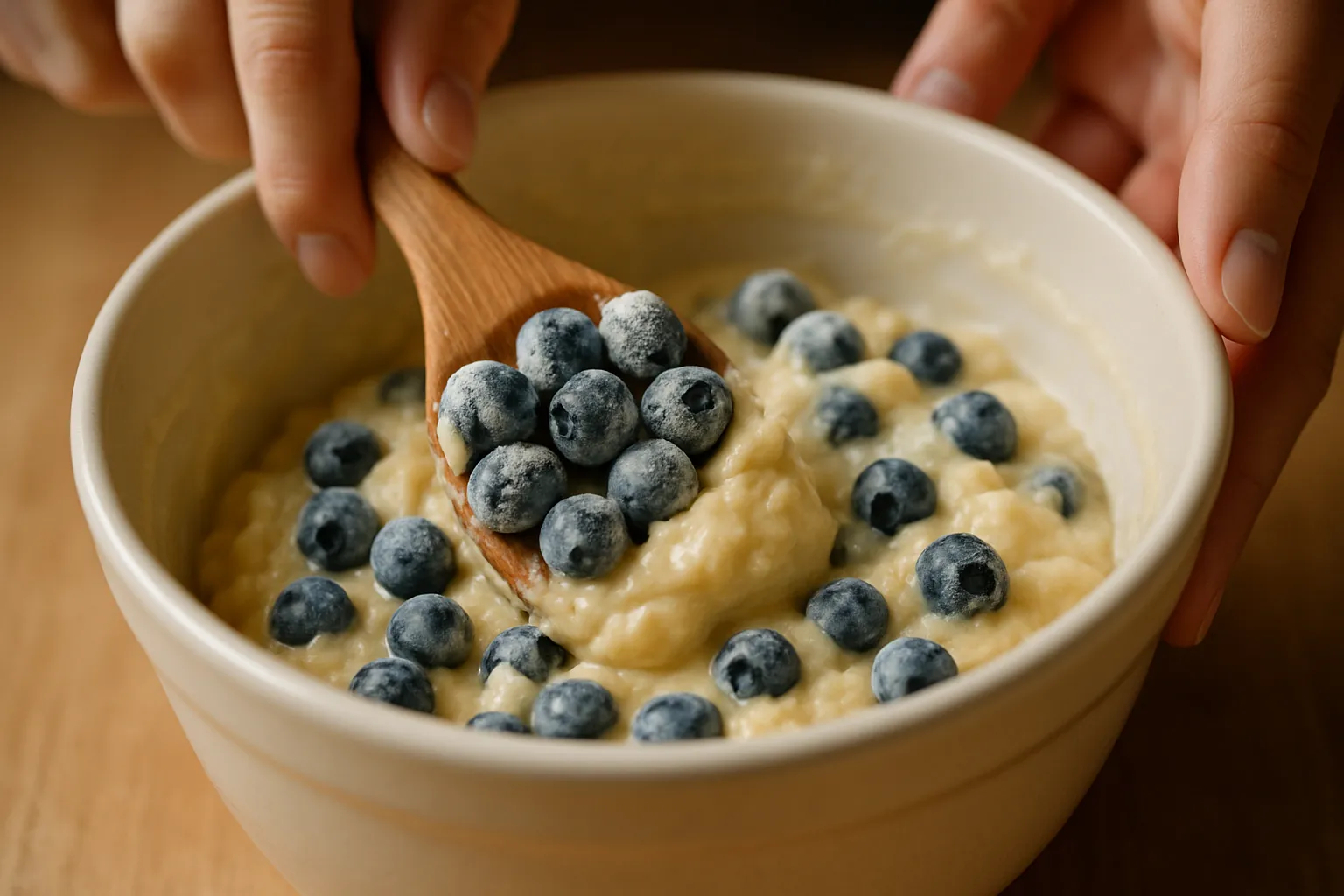
- Toss the blueberries with 1 tablespoon of flour in a small bowl to coat them lightly. This prevents the berries from sinking to the bottom. Gently fold the coated blueberries into the batter, being careful not to crush them.
- Divide the batter evenly among the muffin cups, filling each about three-quarters full. Sprinkle the tops with coarse sugar if desired for a bakery-style crunch.
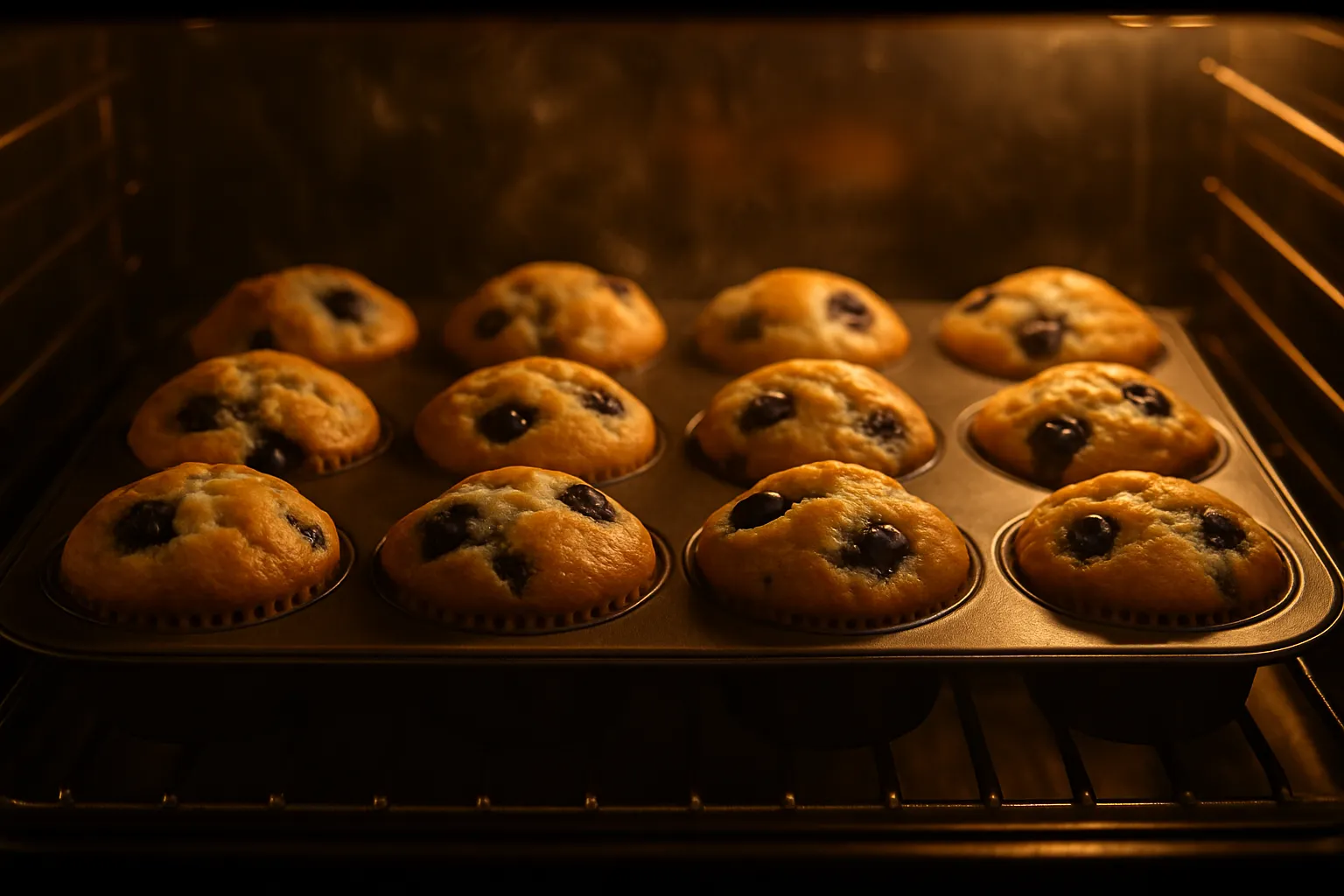
- Bake at 220°C (425°F) for 5 minutes, then reduce the oven temperature to 180°C (350°F) without opening the door. Continue baking for 15-18 minutes more, until the tops are golden brown and a toothpick inserted into the center comes out clean or with just a few moist crumbs.
- Remove the muffins from the oven and let them cool in the tin for 5 minutes before transferring to a wire rack. This prevents them from becoming soggy on the bottom.
- Serve warm or at room temperature. These muffins are best enjoyed the day they're made but can be stored for several days following proper storage guidelines.
Chef’s Tips
- Room temperature ingredients blend more easily and create a smoother batter, resulting in more tender muffins with better rise.
- Don't skip the flour coating on blueberries—it creates a barrier that prevents them from sinking and helps distribute them evenly throughout the muffin.
- Fill muffin cups generously (about ¾ full) to achieve those beautiful, tall domed tops characteristic of bakery-style muffins.
- The two-temperature baking method (starting high, then reducing) creates rapid initial rise for tall tops while ensuring the centers bake through without over-browning.
- Use an ice cream scoop for perfectly portioned, uniform muffins that bake evenly and look professional.
Common Mistakes to Avoid
- Overmixing the batter activates too much gluten, resulting in dense, tough muffins with tunnels. Mix only until the flour is just incorporated and the batter is still slightly lumpy.
- Using old or expired baking powder leads to flat muffins that don't rise properly. Always check the expiration date and test baking powder by adding a teaspoon to hot water—it should fizz vigorously.
- Opening the oven door during the first 15 minutes of baking causes a temperature drop that deflates rising muffins. Wait until at least the temperature reduction point before checking.
- Thawing frozen blueberries before adding them releases excess moisture that can turn the batter purple-grey and create soggy muffins. Always use frozen berries straight from the freezer.
- Overbaking dries out muffins and makes them crumbly. Remove them when a toothpick comes out with a few moist crumbs, not completely clean, as they'll continue cooking slightly as they cool.
Variations
- Lemon Blueberry Muffins: Add 1 tablespoon lemon zest to the batter and drizzle cooled muffins with a glaze made from 120g powdered sugar and 2 tablespoons lemon juice.
- Streusel-Topped Muffins: Before baking, top each muffin with a mixture of 60g flour, 50g brown sugar, 40g cold butter (cubed), and ½ teaspoon cinnamon, mixed until crumbly.
- Gluten-Free Blueberry Muffins: Replace all-purpose flour with a 1:1 gluten-free baking flour blend and add ½ teaspoon xanthan gum if your blend doesn't include it.
- Vegan Blueberry Muffins: Substitute eggs with 2 flax eggs (2 tablespoons ground flaxseed mixed with 6 tablespoons water, let sit 5 minutes), use plant-based milk, and replace butter with vegetable oil.
- Mixed Berry Muffins: Replace half the blueberries with raspberries, blackberries, or chopped strawberries for a varied berry flavor profile.
Storage
Store blueberry muffins in an airtight container at room temperature for 3-4 days. For extended freshness, refrigerate them for up to 1 week, though this may slightly dry the texture. To freeze, wrap individual muffins tightly in plastic wrap, then place in a freezer-safe bag or container for up to 3 months. Thaw at room temperature for 1-2 hours or microwave for 20-30 seconds. To refresh day-old muffins, warm them in a 160°C (325°F) oven for 5-7 minutes to restore that fresh-baked texture.
Frequently Asked Questions
Can I use frozen blueberries instead of fresh?
Yes, frozen blueberries work perfectly well. Use them straight from the freezer without thawing—this prevents excess moisture and color bleeding into the batter. Toss them in flour just as you would fresh berries.
Why did my blueberries sink to the bottom?
Blueberries sink when they're too heavy for the batter to support or when the batter is too thin. Coating them lightly in flour before folding them in creates friction that helps suspend them throughout the muffin. Also ensure your batter is thick enough—it should be scoopable, not pourable.
How do I get tall, domed muffin tops?
The key is starting with a high oven temperature (220°C/425°F) for the first 5 minutes, which creates rapid rise and sets the dome structure. Also fill your muffin cups generously (about ¾ full) and avoid overmixing, which can prevent proper rise.
Can I make the batter ahead of time?
It's best to bake muffins immediately after mixing for optimal rise and texture. However, you can prepare dry and wet ingredients separately the night before and combine them just before baking. The baking powder begins working as soon as it contacts liquid.
What's the difference between using oil versus butter?
Oil creates a moister, more tender crumb that stays soft longer, while butter provides richer flavor but can make muffins slightly denser. For the best of both worlds, use half oil and half melted butter.
How do I know when blueberry muffins are done?
Muffins are done when the tops are golden brown, spring back lightly when touched, and a toothpick inserted into the center comes out clean or with just a few moist crumbs. They typically take 20-23 minutes total with the two-temperature method.