 admin
admin 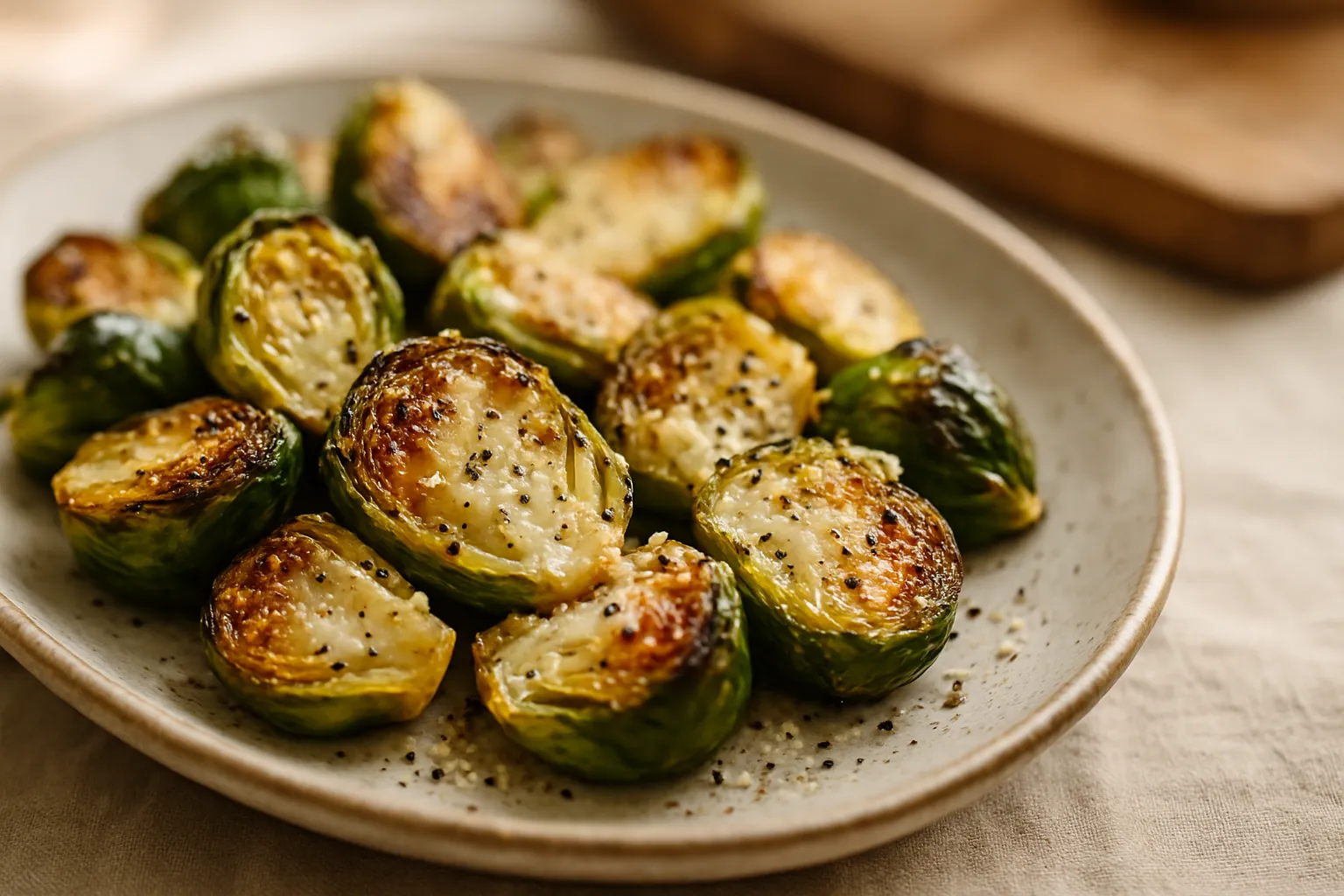
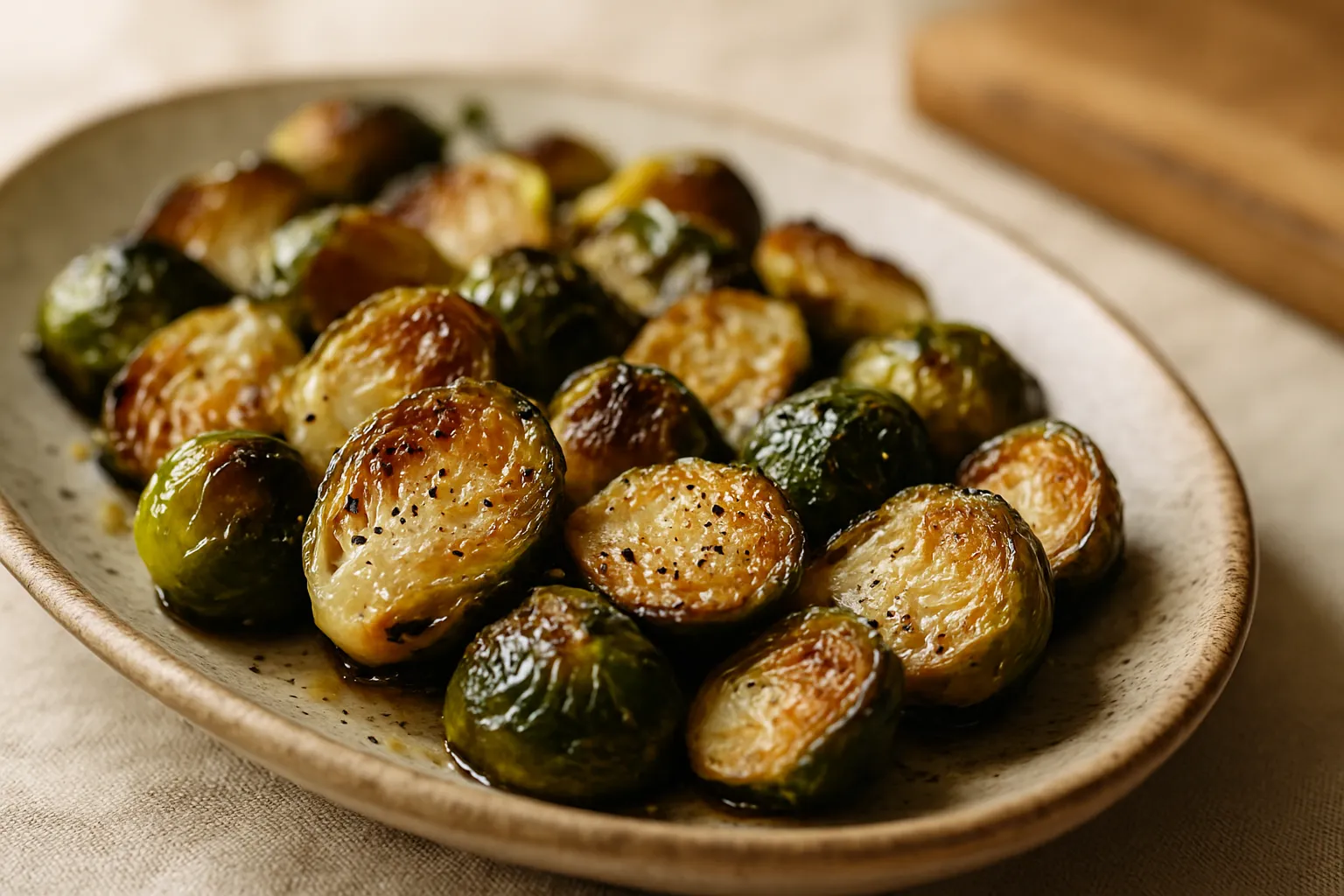
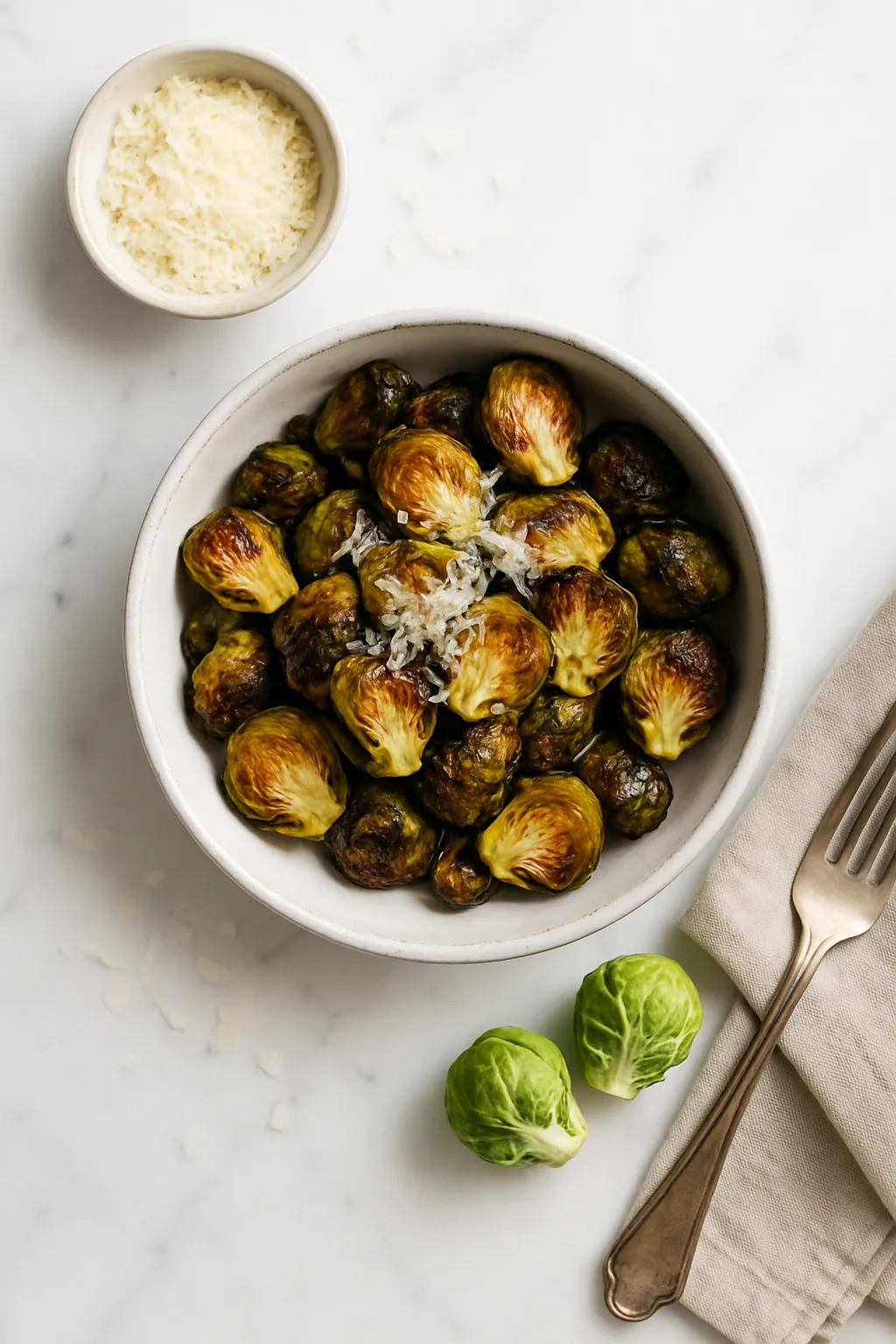
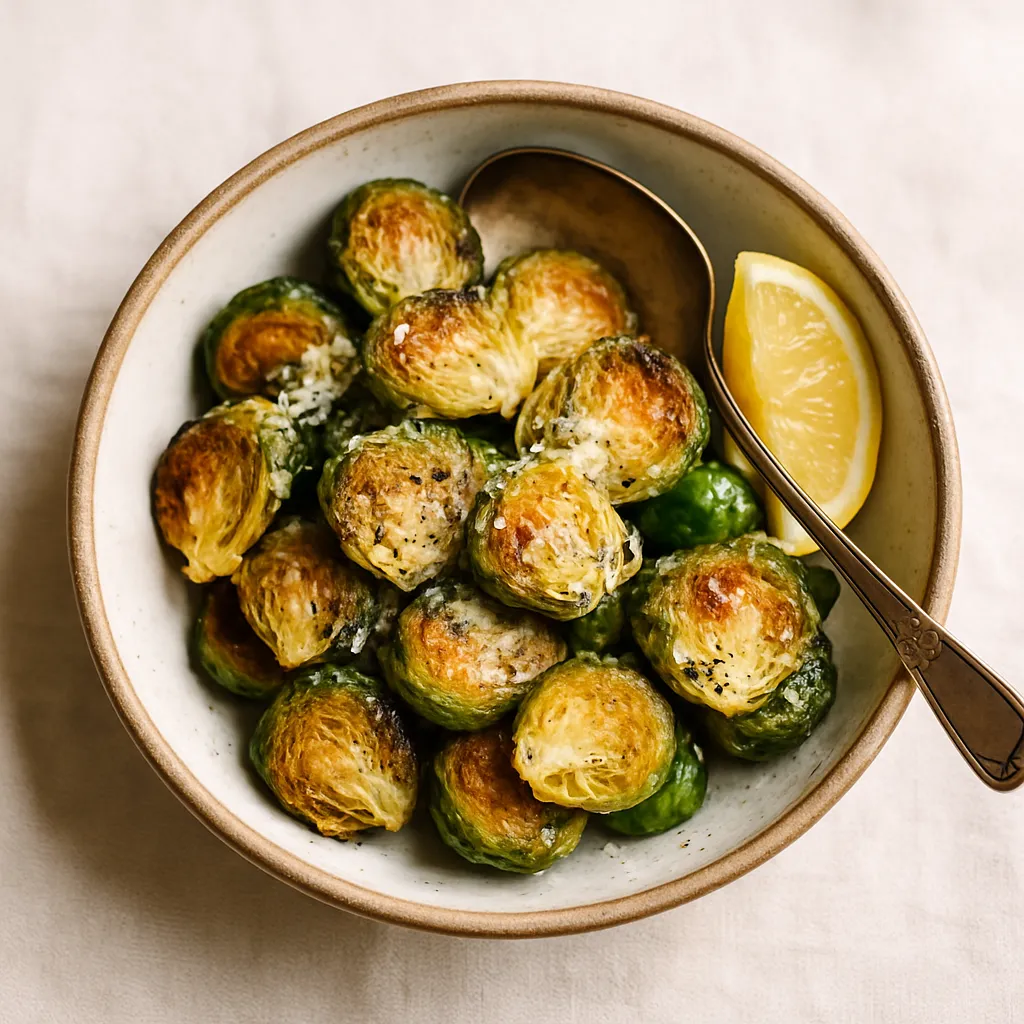
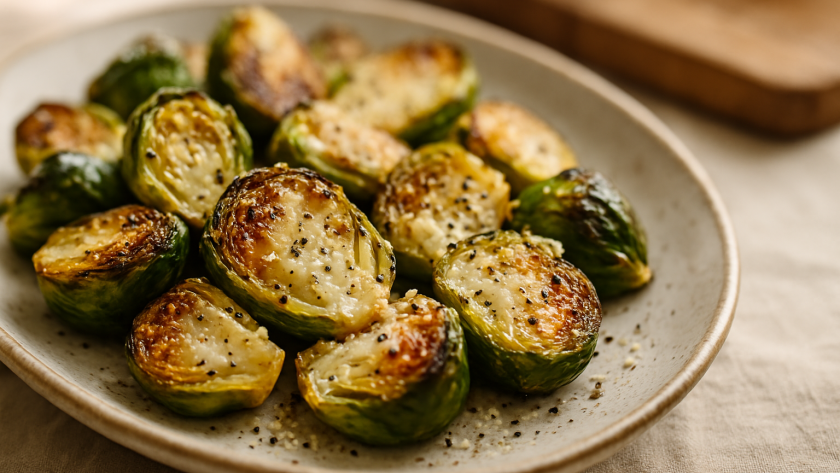
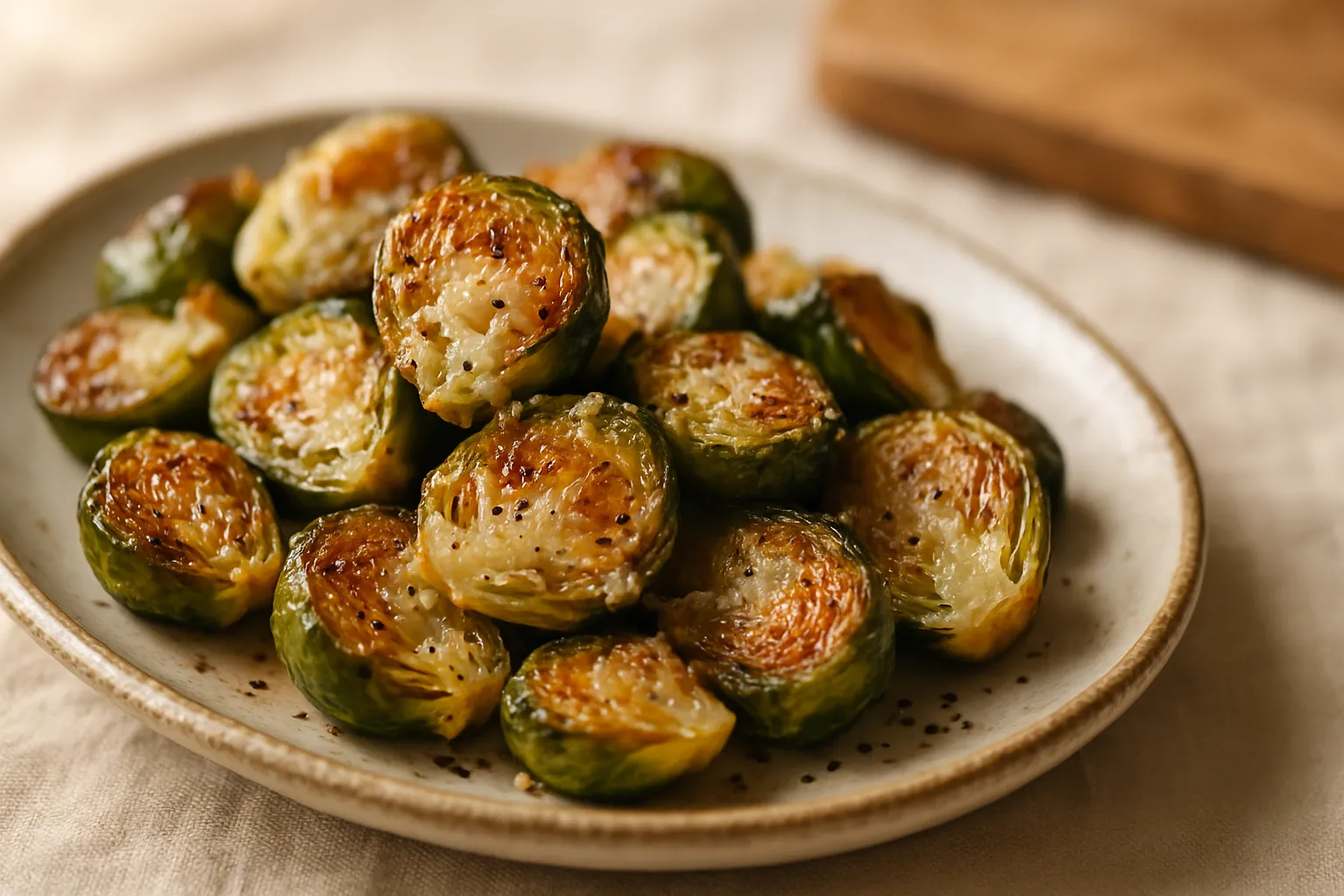
Roasted Brussels Sprouts with Parmesan transforms this humble vegetable into a show-stopping side dish with crispy, caramelized edges and a golden, savory parmesan crust. High heat at 400°F (200°C) works magic on brussels sprouts, bringing out their natural sweetness while creating that irresistible crispy texture everyone craves.
This recipe delivers restaurant-quality results with minimal effort and just a handful of simple ingredients. The key is proper preparation—halving the sprouts, arranging them cut-side down, and adding the parmesan during the last few minutes of roasting to prevent burning while achieving that perfect melted, golden crust.
Whether you're planning a holiday feast or looking for an easy weeknight side, these Parmesan-crusted brussels sprouts pair beautifully with everything from roasted chicken to grilled steak. They're packed with fiber, vitamins, and antioxidants, making them as nutritious as they are delicious.
Ingredients
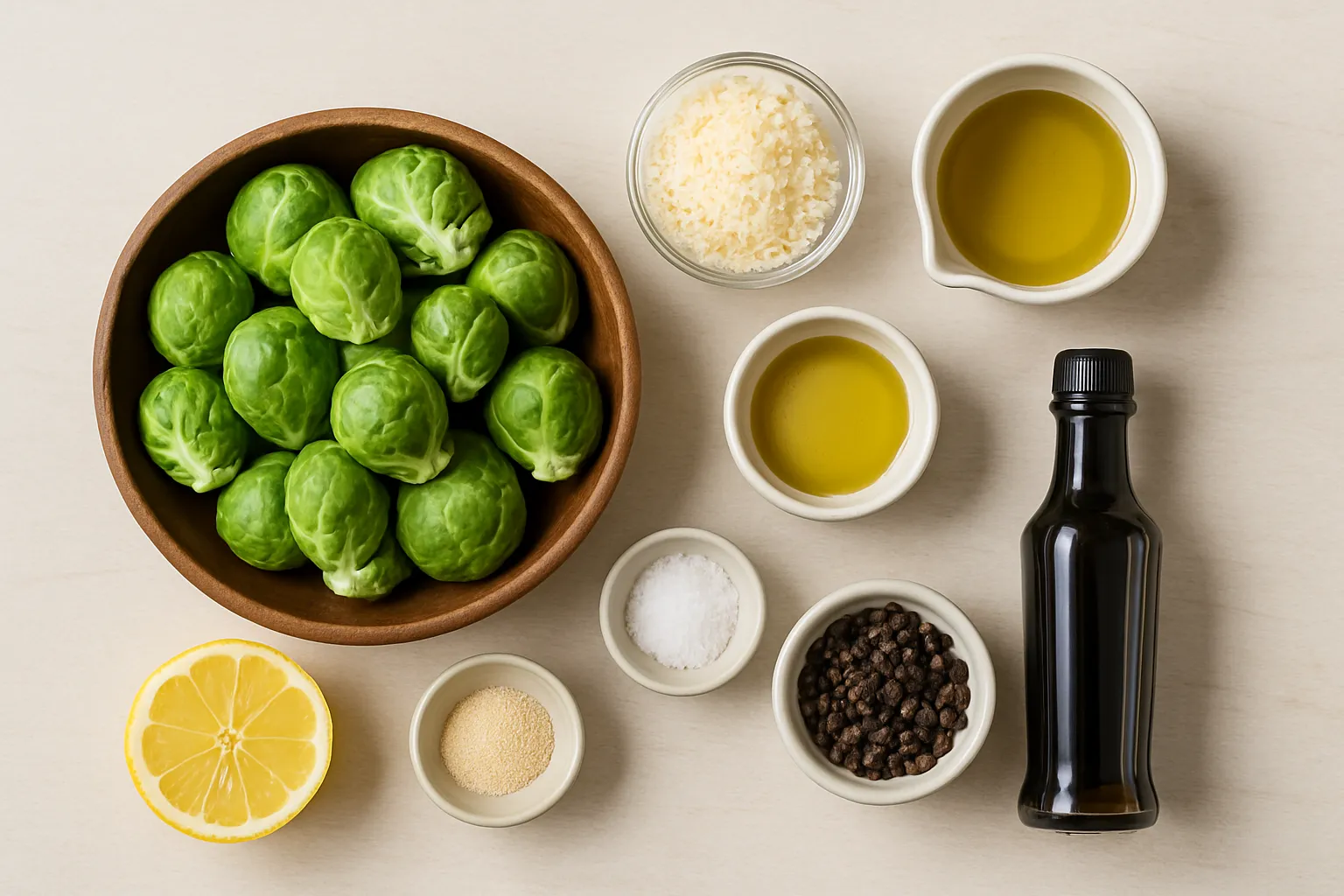
- 680g (1.5 lbs) Fresh brussels sprouts firm, bright green heads, trimmed and halved lengthwise
- 3 tablespoons Extra virgin olive oil for crispy, golden edges
- 60g (½ cup) Parmigiano-Reggiano or Grana Padano freshly grated
- ¾ teaspoon Sea salt or to taste
- ½ teaspoon Freshly ground black pepper
- ½ teaspoon Garlic powder optional
- 1 tablespoon Fresh lemon juice optional, for finishing
- 1-2 tablespoons Balsamic glaze optional, for drizzling
Instructions
- Preheat your oven to 400°F (200°C). Line a large baking sheet with parchment paper or lightly coat with olive oil to prevent sticking.
- Trim the stem ends of the brussels sprouts and cut each one in half lengthwise. Pat them completely dry with a clean kitchen towel or paper towels to ensure maximum crispiness.
- In a large bowl, toss the halved brussels sprouts with olive oil, salt, black pepper, and garlic powder (if using) until evenly coated.
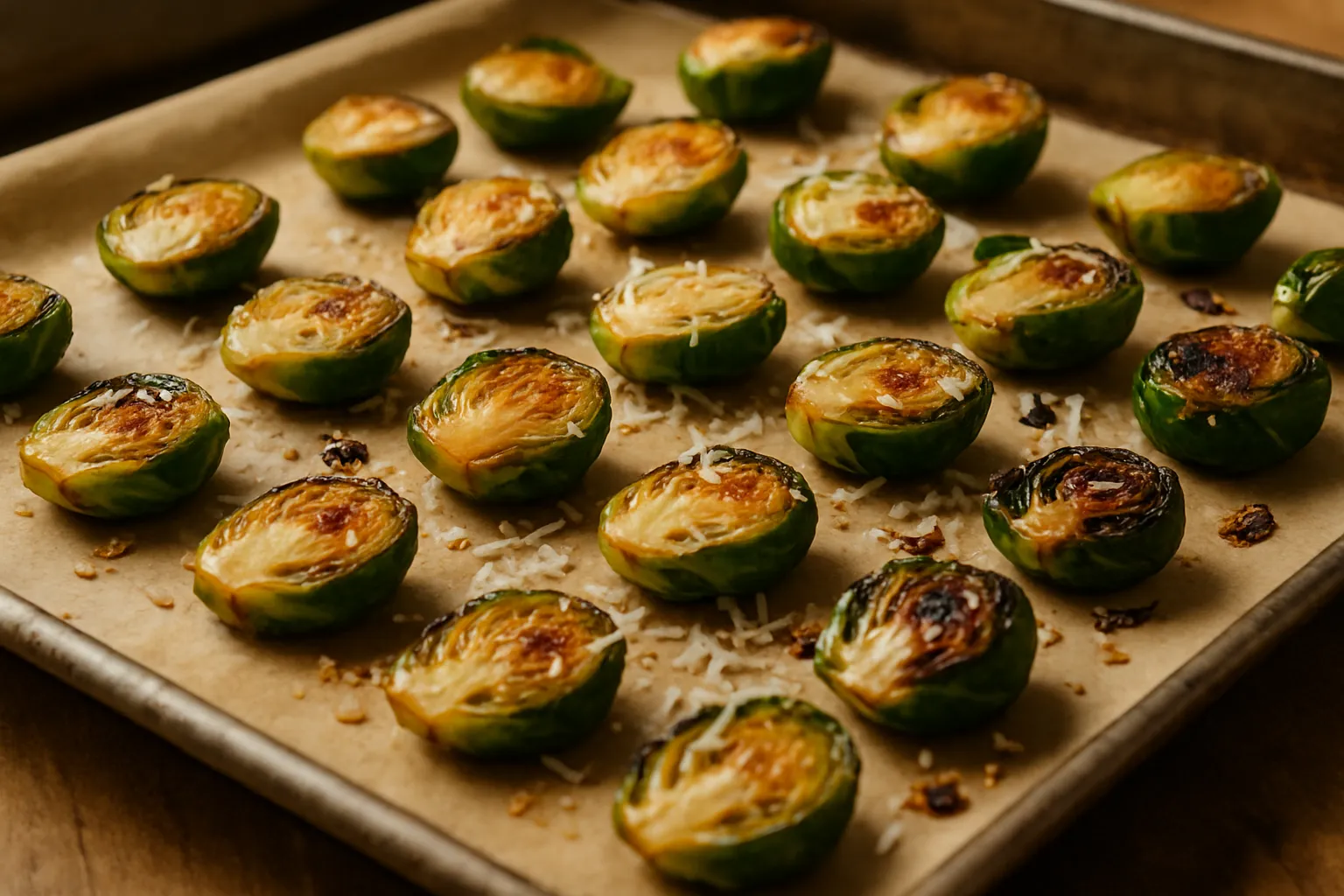
- Arrange the brussels sprouts cut-side down on the prepared baking sheet in a single layer, ensuring they're not overcrowded. Use two baking sheets if necessary for proper air circulation.
- Roast for 20-25 minutes, rotating the pan halfway through, until the edges are crispy and deeply golden brown.
- Remove the pan from the oven and sprinkle the freshly grated parmesan evenly over the brussels sprouts. Return to the oven for 3-5 minutes until the cheese melts and forms a golden crust.
- Transfer to a serving dish and finish with a squeeze of fresh lemon juice or a drizzle of balsamic glaze if desired. Serve immediately while hot and crispy.
Chef’s Tips
- Always arrange brussels sprouts cut-side down on the baking sheet to maximize caramelization and achieve the crispiest surface area.
- Don't skip drying the sprouts thoroughly after washing—excess moisture is the enemy of crispy vegetables.
- Use freshly grated Parmigiano-Reggiano rather than pre-grated cheese for superior flavor and better melting properties.
- If your sprouts vary in size, cut larger ones into quarters so all pieces cook evenly.
- For extra flavor depth, toss the roasted sprouts with a tiny drizzle of high-quality balsamic vinegar or a sprinkle of lemon zest just before serving.
Common Mistakes to Avoid
- Overcrowding the baking sheet prevents proper air circulation and steaming instead of roasting, resulting in soggy sprouts. Always leave space between each piece.
- Adding parmesan too early causes it to burn before the sprouts finish cooking. Wait until the last 5 minutes for a perfect golden crust.
- Not cutting sprouts to uniform sizes leads to uneven cooking—some pieces will be burnt while others remain undercooked.
- Skipping the step of patting sprouts dry after washing leaves excess moisture that prevents crisping.
- Roasting at too low a temperature won't caramelize the natural sugars, leaving sprouts bitter instead of sweet and nutty.
Variations
- Balsamic Brussels Sprouts: Drizzle with aged balsamic glaze or reduction after roasting for a sweet-tangy finish.
- Garlic Parmesan Brussels Sprouts: Add 3-4 minced garlic cloves or 1 teaspoon garlic powder before roasting for extra savory depth.
- Bacon Brussels Sprouts: Toss with crispy pancetta or bacon bits during the last 5 minutes along with the parmesan.
- Spicy Parmesan Brussels Sprouts: Sprinkle with red pepper flakes or Calabrian chili oil for a kick of heat.
- Herb-Crusted Brussels Sprouts: Add fresh thyme, rosemary, or lemon zest along with the parmesan for aromatic brightness.
Storage
Store leftover roasted brussels sprouts in an airtight container in the refrigerator for up to 4 days. For make-ahead preparation, roast the sprouts up to 2 days in advance and store refrigerated. Reheat in a 375°F (190°C) oven for 8-10 minutes to restore crispiness—avoid the microwave as it makes them soggy. Freezing is not recommended as it significantly compromises the texture.
Frequently Asked Questions
Should I add parmesan before or after roasting?
Add parmesan during the last 5 minutes of roasting. This prevents the cheese from burning while allowing it to melt and form a golden, savory crust on the brussels sprouts.
How do I make brussels sprouts less bitter?
Roast at high heat (400°F/200°C) to caramelize the natural sugars, which balances bitterness with sweetness. Also trim away any brown or damaged outer leaves and stem ends where bitterness concentrates.
Can I make roasted brussels sprouts ahead of time?
Yes, roast them up to 2 days in advance and store in the refrigerator. Reheat in a 375°F oven for 8-10 minutes to restore the crispy texture. Avoid microwaving as it makes them soggy.
Do I need to soak brussels sprouts before roasting?
No, soaking is unnecessary. Simply rinse them briefly under cold water, then pat completely dry with a towel. Excess moisture prevents crisping, so drying thoroughly is essential.
What temperature is best for roasting brussels sprouts?
400°F (200°C) is ideal for achieving crispy, caramelized edges while keeping the interiors tender. Lower temperatures won't create enough browning, and higher temps risk burning.
Should I boil brussels sprouts before roasting?
No, boiling before roasting is unnecessary and adds extra moisture that prevents crisping. Roasting from raw at high heat delivers the best texture and flavor.