 admin
admin 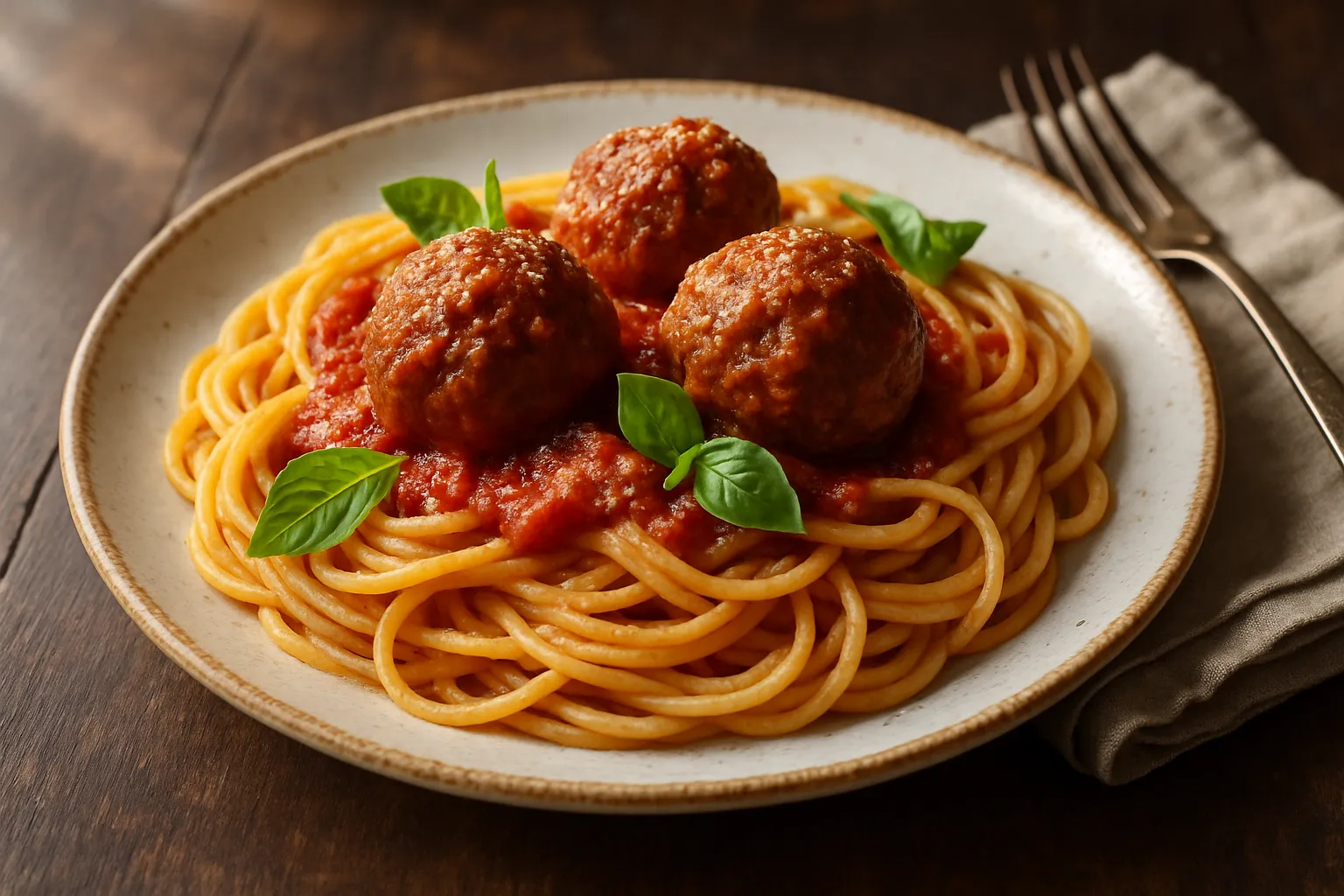
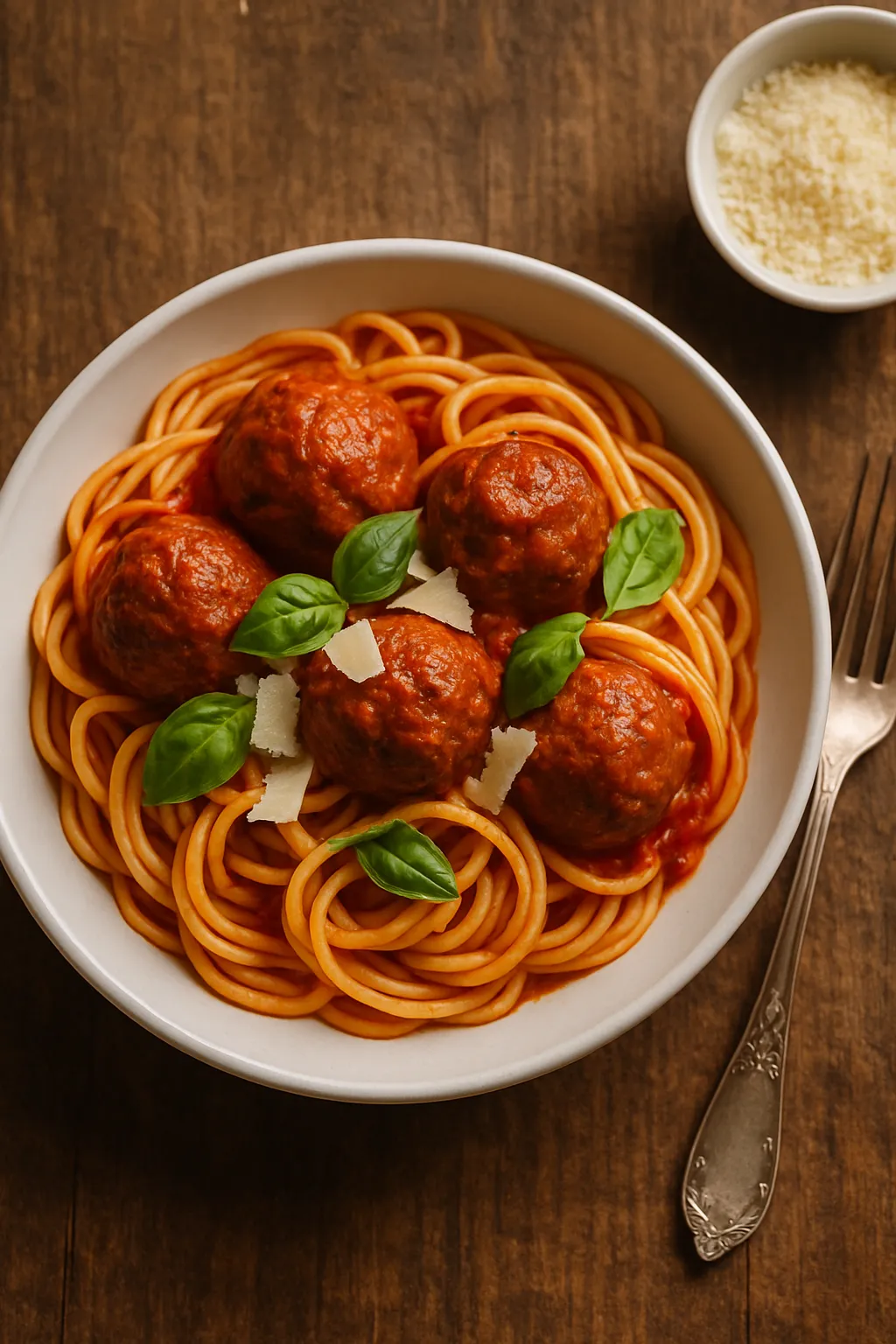
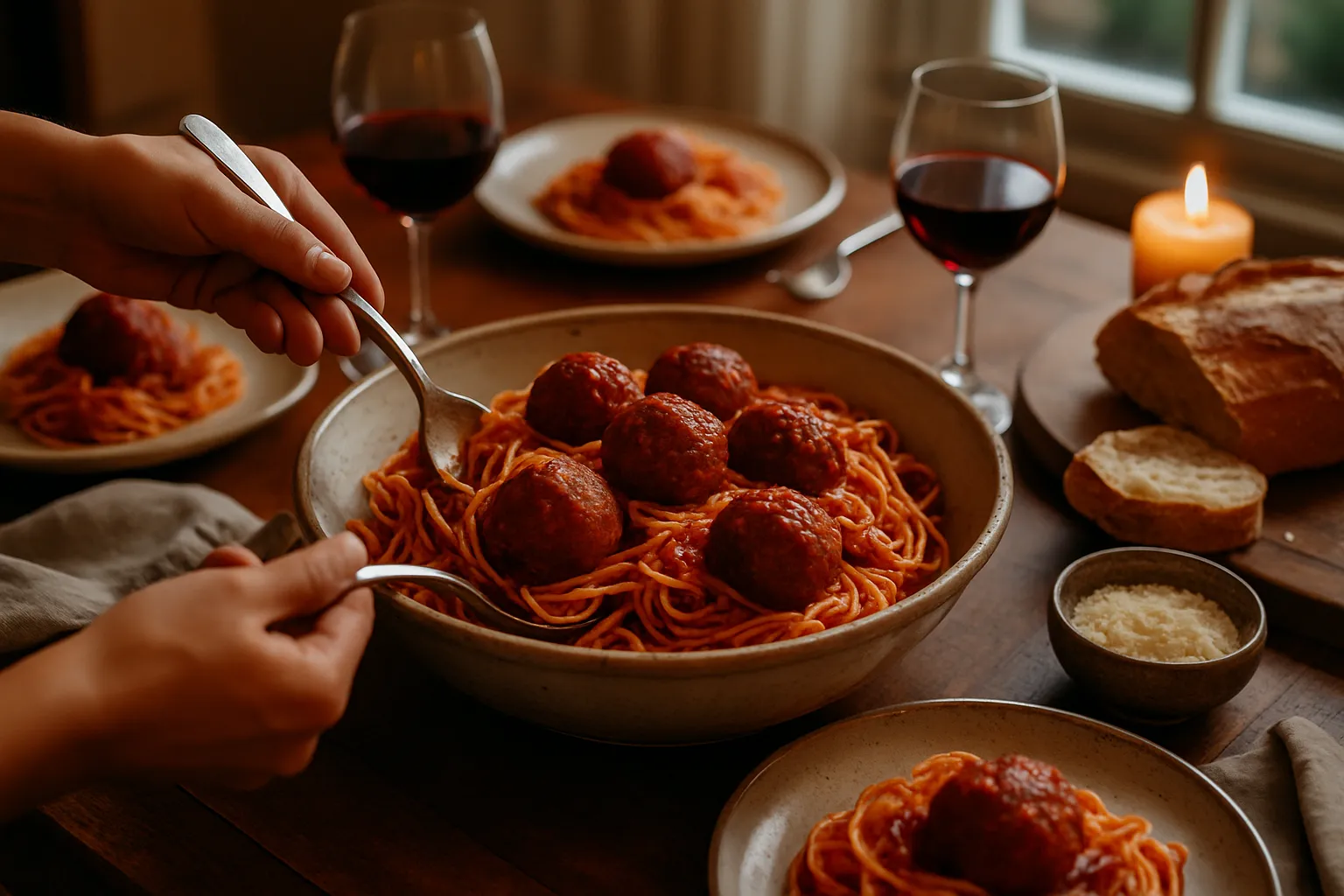
Spaghetti and Meatballs is the ultimate Italian-American comfort food—a hearty plate of tender meatballs nestled in rich tomato sauce over perfectly cooked pasta. While you won't find this exact dish on traditional Italian tables, it represents a beautiful culinary evolution that Italian immigrants created when they arrived in America with access to more abundant meat and ingredients.
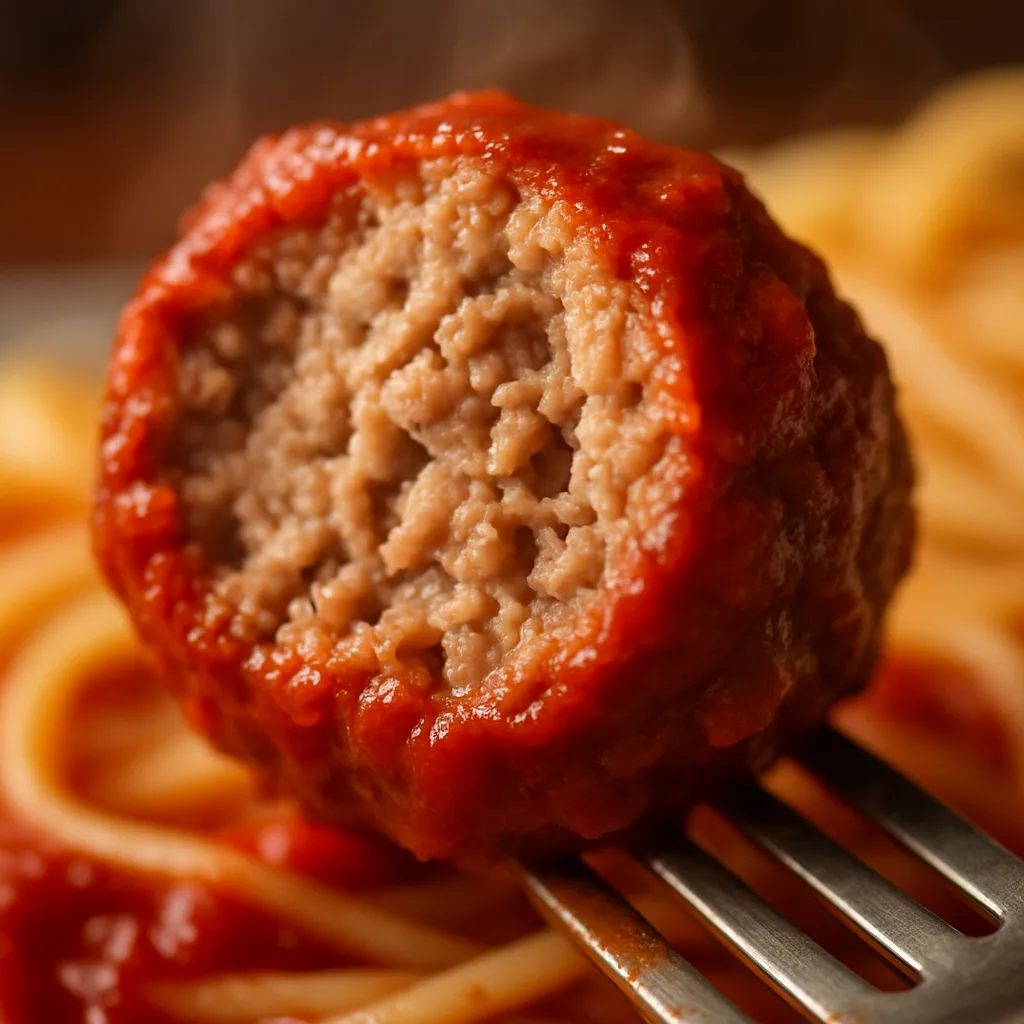
The secret to exceptional Spaghetti and Meatballs lies in three components: moist, flavorful meatballs that hold together without becoming dense; a slow-simmered tomato sauce with depth and sweetness; and properly cooked al dente pasta that carries the sauce beautifully. This recipe guides you through each element with professional techniques that guarantee restaurant-quality results.
Whether you're cooking for a weeknight family dinner or entertaining guests, this classic dish delivers every time. With make-ahead options and freezer-friendly components, you can enjoy homemade Spaghetti and Meatballs whenever the craving strikes.
Ingredients
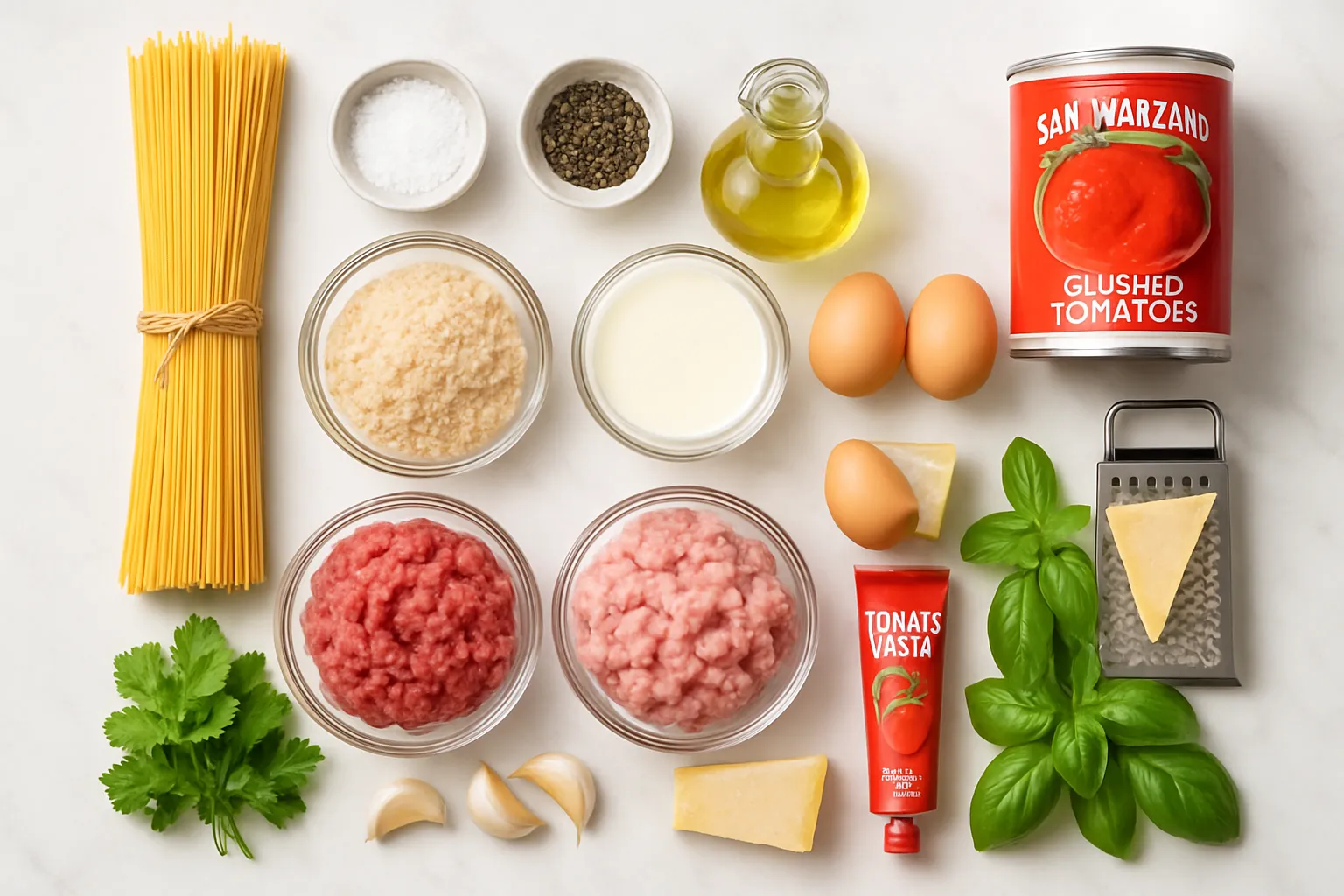
- 1 lb Ground beef (80/20 blend) Higher fat content keeps meatballs moist
- 1/2 lb Ground pork Adds flavor and tenderness
- 3/4 cup Fresh breadcrumbs Soaked in milk for moisture
- 1/2 cup Whole milk For soaking breadcrumbs
- 1/2 cup Parmesan cheese, grated Freshly grated preferred
- 2 Large eggs Lightly beaten
- 1/4 cup Fresh parsley, chopped Plus extra for garnish
- 4 cloves Garlic, minced Divided for meatballs and sauce
- 28 oz can Crushed tomatoes San Marzano preferred
- 2 tbsp Tomato paste For depth of flavor
- 1/4 cup Fresh basil Torn, plus extra for serving
- 1 lb Spaghetti Bronze-cut for better sauce adhesion
- 3 tbsp Olive oil For browning and sauce
- To taste Salt and black pepper Season generously
Instructions
- Soak breadcrumbs in milk for 5 minutes until softened. In a large bowl, gently combine ground beef, ground pork, soaked breadcrumbs (squeeze out excess milk), Parmesan, eggs, parsley, 2 minced garlic cloves, 1 teaspoon salt, and 1/2 teaspoon black pepper. Mix with your hands just until combined—avoid overworking the meat.
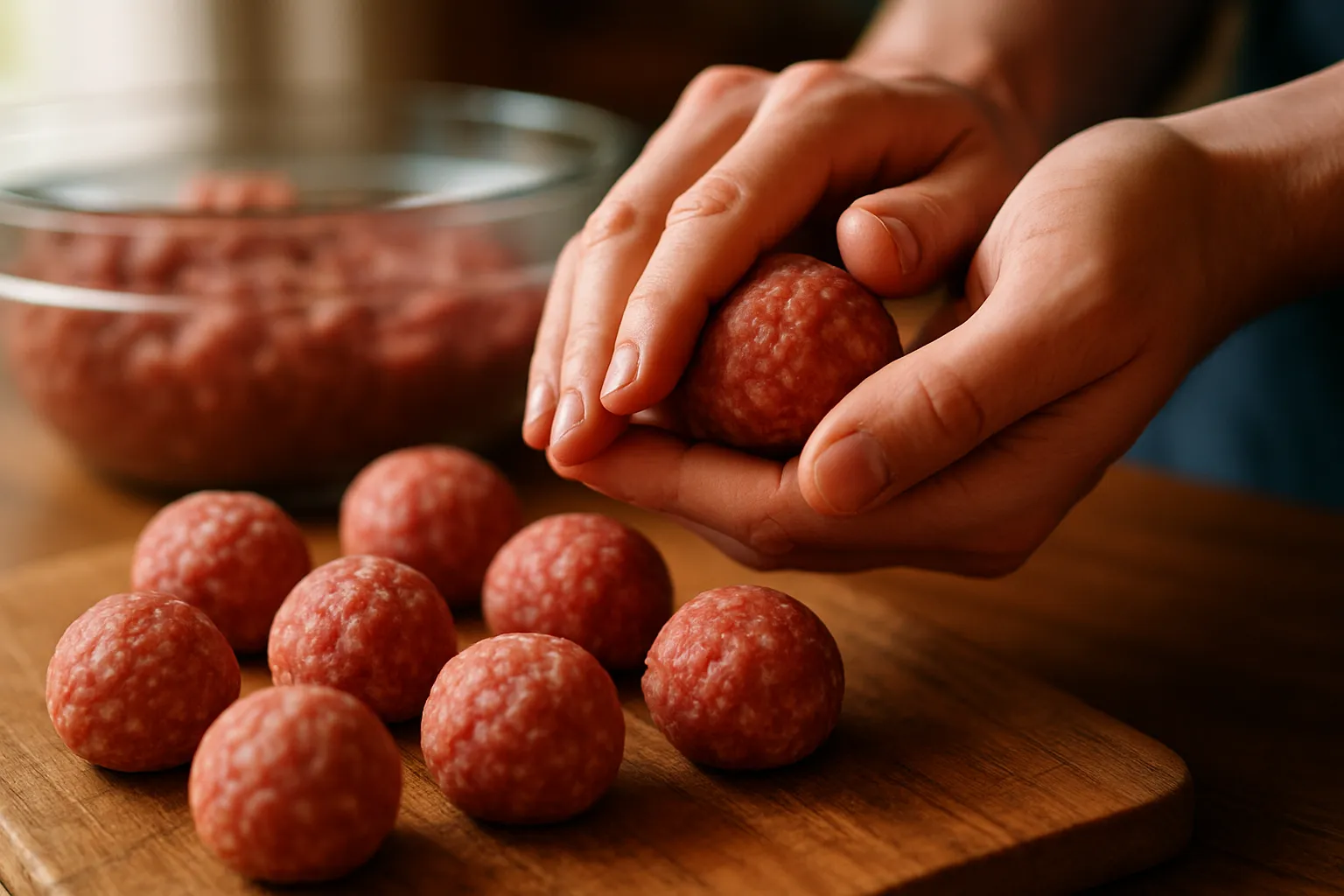
- Shape mixture into 12-14 meatballs (about 2 inches each). Heat 2 tablespoons olive oil in a large skillet over medium-high heat. Brown meatballs in batches, turning carefully to sear all sides (about 6-8 minutes total). They don't need to be cooked through. Transfer to a plate.
- In the same skillet, add remaining olive oil and sauté remaining 2 garlic cloves until fragrant (30 seconds). Stir in tomato paste and cook for 1 minute. Add crushed tomatoes, 1/2 cup water, salt, and pepper. Bring to a simmer.
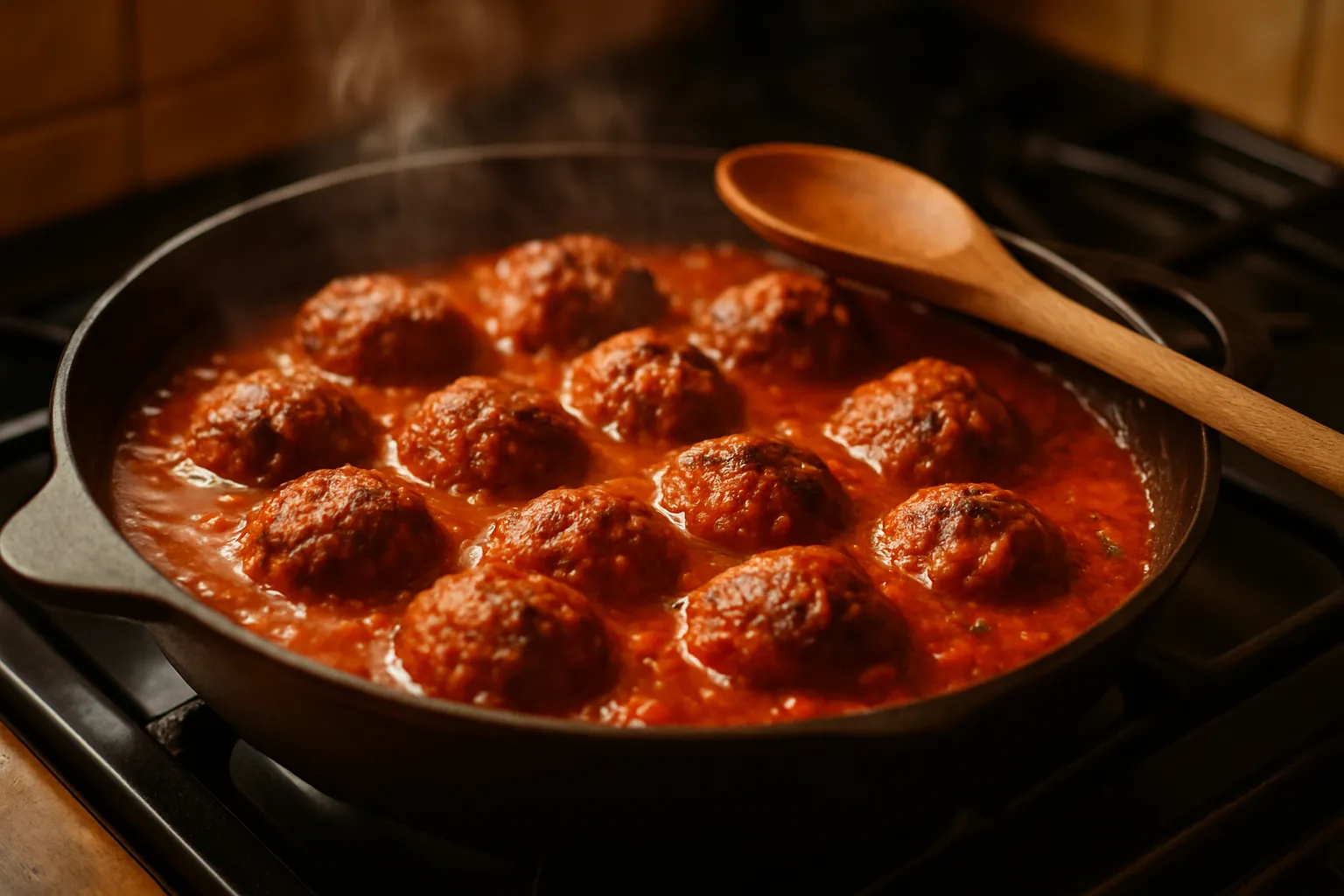
- Gently nestle browned meatballs into the sauce. Reduce heat to low, cover partially, and simmer for 45-60 minutes, stirring occasionally. The meatballs will finish cooking and the sauce will develop deep flavor. Stir in fresh basil during the last 5 minutes.
- About 15 minutes before serving, cook spaghetti in generously salted boiling water until al dente (usually 1-2 minutes less than package directions). Reserve 1 cup pasta water, then drain.
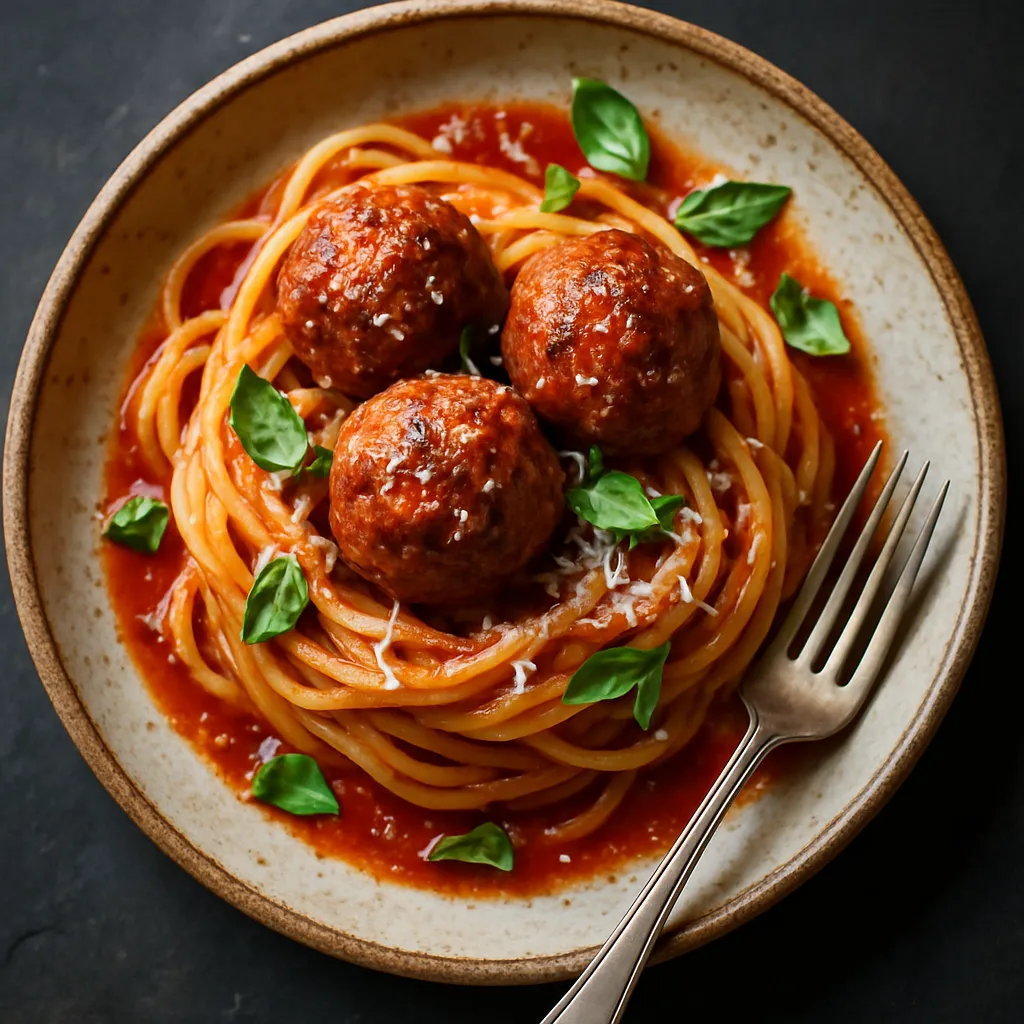
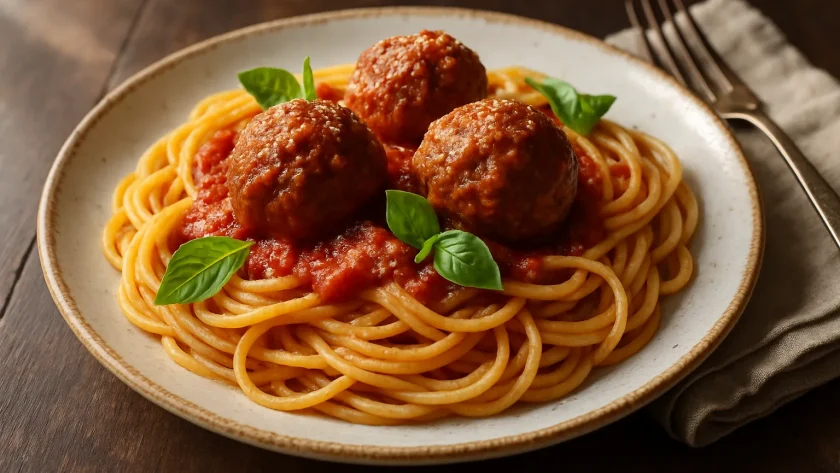
- Toss spaghetti with some of the tomato sauce (without meatballs), adding pasta water as needed to create a silky coating. Plate pasta, top with meatballs and additional sauce, garnish with fresh basil and grated Parmesan, and serve immediately.
Chef’s Tips
- Use a light hand when mixing meatball ingredients—overmixing develops gluten and creates tough, dense meatballs. Stop as soon as ingredients are just combined.
- For perfectly uniform meatballs, use a 2-ounce ice cream scoop to portion the mixture before rolling into balls with damp hands.
- Don't skip browning the meatballs—the caramelized crust adds incredible depth of flavor to both the meatballs and the sauce they simmer in.
- Reserve pasta cooking water to adjust sauce consistency. The starchy water helps the sauce cling to the spaghetti better than plain water.
- Let the sauce simmer low and slow—rushing this step results in a thin, acidic sauce instead of the rich, sweet, complex flavor you want.
Common Mistakes to Avoid
- Using lean ground beef (90/10 or higher) creates dry, crumbly meatballs. Stick with 80/20 or add ground pork for necessary fat content.
- Rolling meatballs too tightly compacts the meat and makes them dense. Shape gently with a light touch for tender results.
- Cooking meatballs completely before adding to sauce. They should only be browned on the outside, then finish cooking in the simmering sauce to stay moist.
- Overcooking the pasta or not salting the water enough. Pasta should be al dente with a slight bite, and the water should taste like the sea.
- Adding all the sauce to the pasta at once. Toss pasta with just enough sauce to coat, then serve additional sauce and meatballs on top for better presentation and texture.
Variations
- Gluten-Free: Replace breadcrumbs with gluten-free breadcrumbs or crushed gluten-free crackers, and use gluten-free pasta. The texture remains excellent.
- Turkey or Chicken Meatballs: Substitute ground turkey or chicken for beef and pork. Add an extra tablespoon of olive oil to the mixture to compensate for lower fat content.
- Polpette al Forno (Baked): Instead of pan-frying, bake meatballs at 400°F for 20-25 minutes, then add to sauce. This method is easier for large batches.
- Spicy Variation: Add 1/2 teaspoon red pepper flakes to the sauce and 1/4 teaspoon to the meatball mixture for a gentle heat that complements the tomato.
- Vegetarian Alternative: Use plant-based ground meat or make meatballs from a mixture of cooked lentils, mushrooms, breadcrumbs, and Parmesan for a hearty vegetarian version.
Storage
Store leftover meatballs and sauce in an airtight container in the refrigerator for up to 3 days. Keep cooked pasta separate to prevent it from absorbing too much sauce and becoming mushy. For freezing, place cooled meatballs and sauce in freezer-safe containers for up to 3 months. Freeze pasta separately if desired. Thaw overnight in the refrigerator and reheat gently on the stovetop, adding a splash of water or broth to restore the sauce consistency. Meatballs can also be frozen raw on a baking sheet, then transferred to freezer bags for up to 3 months.
Frequently Asked Questions
Is spaghetti and meatballs authentic Italian?
No, Spaghetti and Meatballs as we know it is an Italian-American creation. In Italy, polpette (meatballs) are typically served as a separate course without pasta, or in soup. Italian immigrants in America combined these elements into one hearty dish when meat became more affordable.
Can I make the meatballs ahead of time?
Yes! Shape raw meatballs up to 24 hours ahead and refrigerate covered, or freeze for up to 3 months. You can also fully cook meatballs in sauce up to 3 days ahead—the flavor actually improves as they sit. Reheat gently before serving.
Why are my meatballs tough?
Tough meatballs result from overmixing the meat mixture or using too-lean ground beef. Mix ingredients just until combined using a light hand, and choose ground beef with at least 15-20% fat content. Adding milk-soaked breadcrumbs also keeps them tender.
Do I need to brown meatballs first?
While not strictly necessary, browning adds significant flavor through caramelization. You can bake meatballs at 400°F for 20 minutes instead of pan-frying, or skip browning entirely and simmer raw meatballs directly in sauce for 60-75 minutes—they'll be tender but less flavorful.
What kind of meat is best for meatballs?
A blend of ground beef (80/20) and ground pork creates the most flavorful, moist meatballs. Some recipes add ground veal for extra tenderness. Avoid extra-lean beef, which produces dry, crumbly results. The fat content is essential for juicy meatballs.
How long should meatballs simmer in the sauce?
Simmer meatballs in sauce for 45-60 minutes after browning. This allows them to cook through gently while absorbing flavor from the sauce, and gives the sauce time to develop rich, complex flavor. Longer simmering (up to 90 minutes) makes them even more tender.