 admin
admin 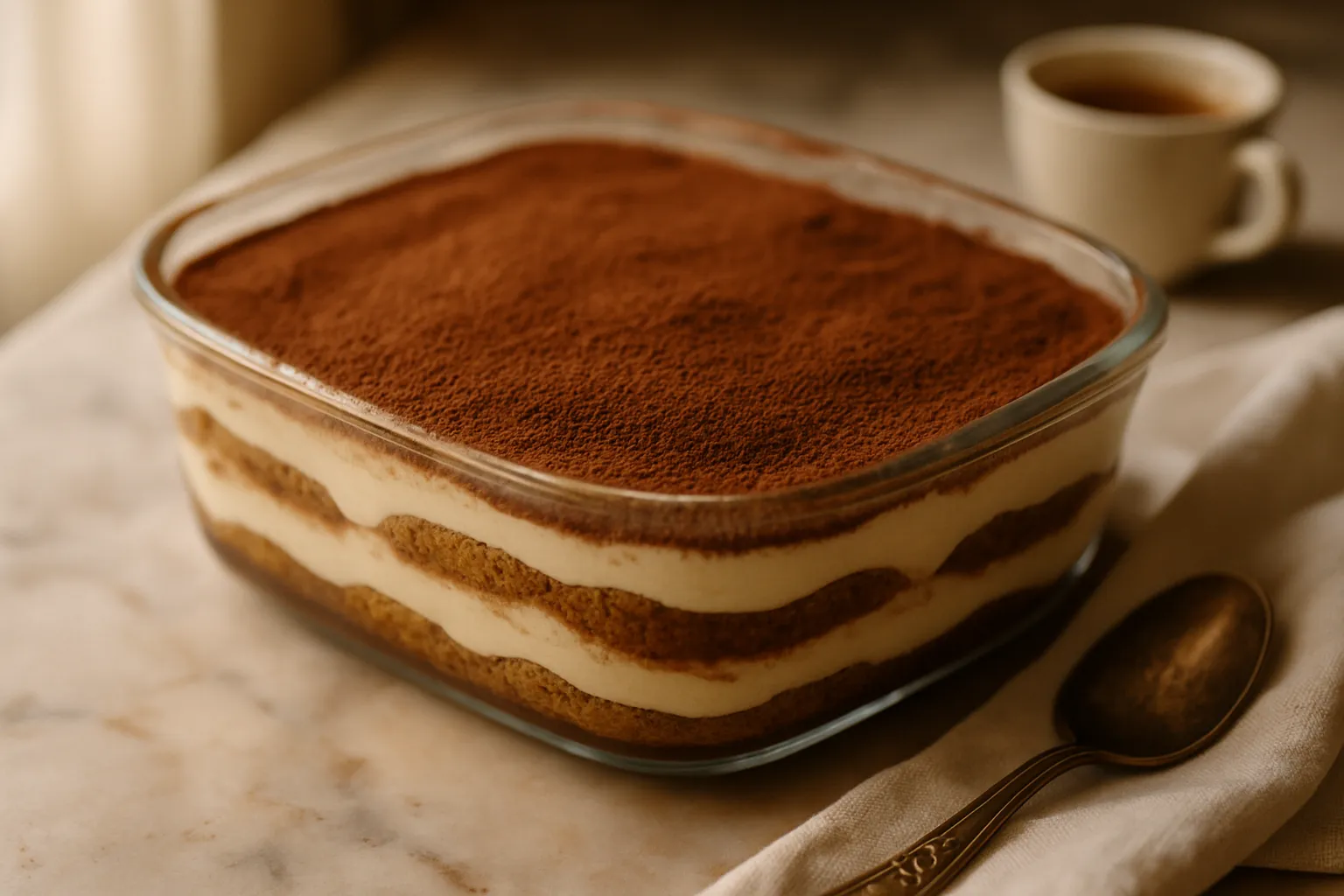
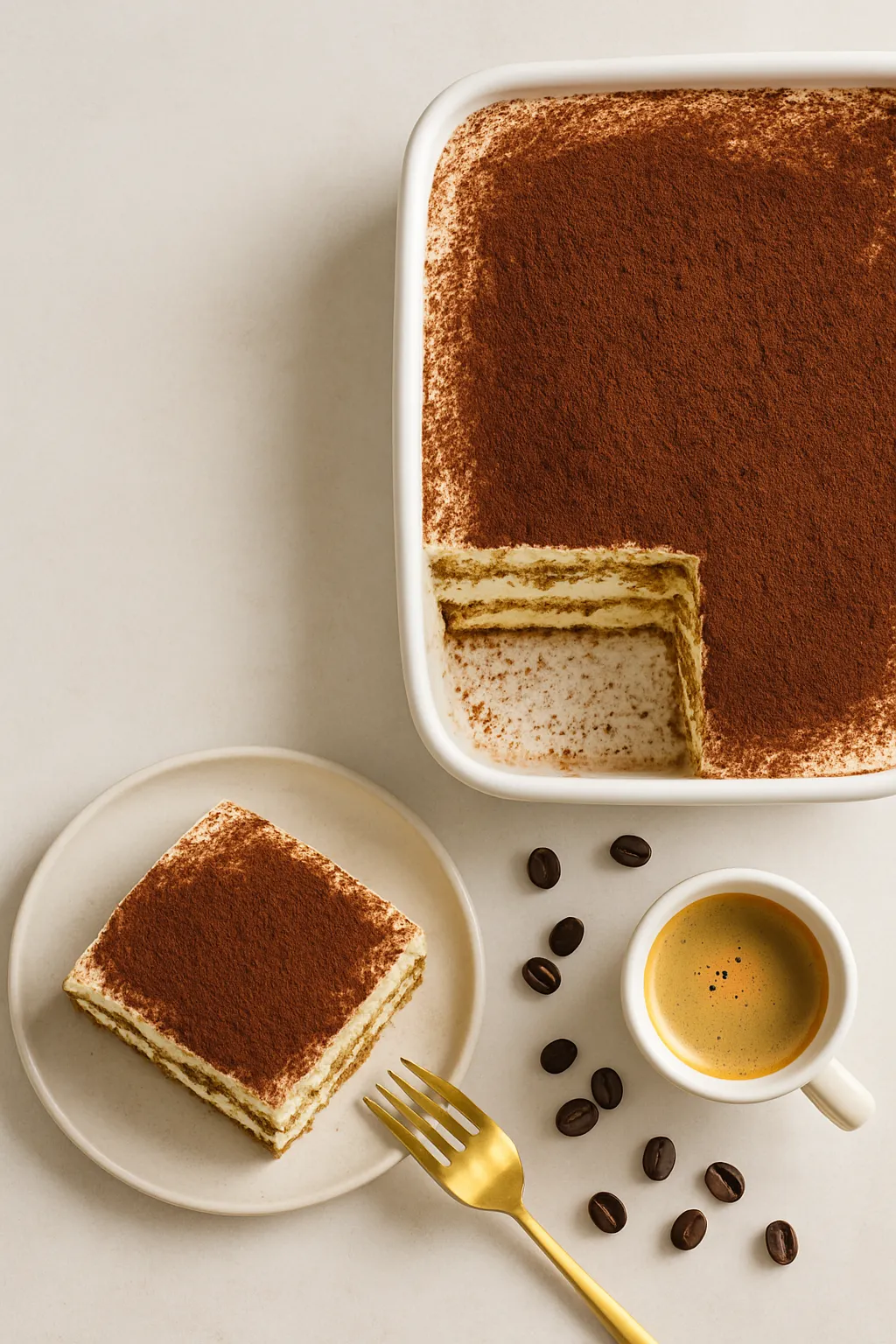
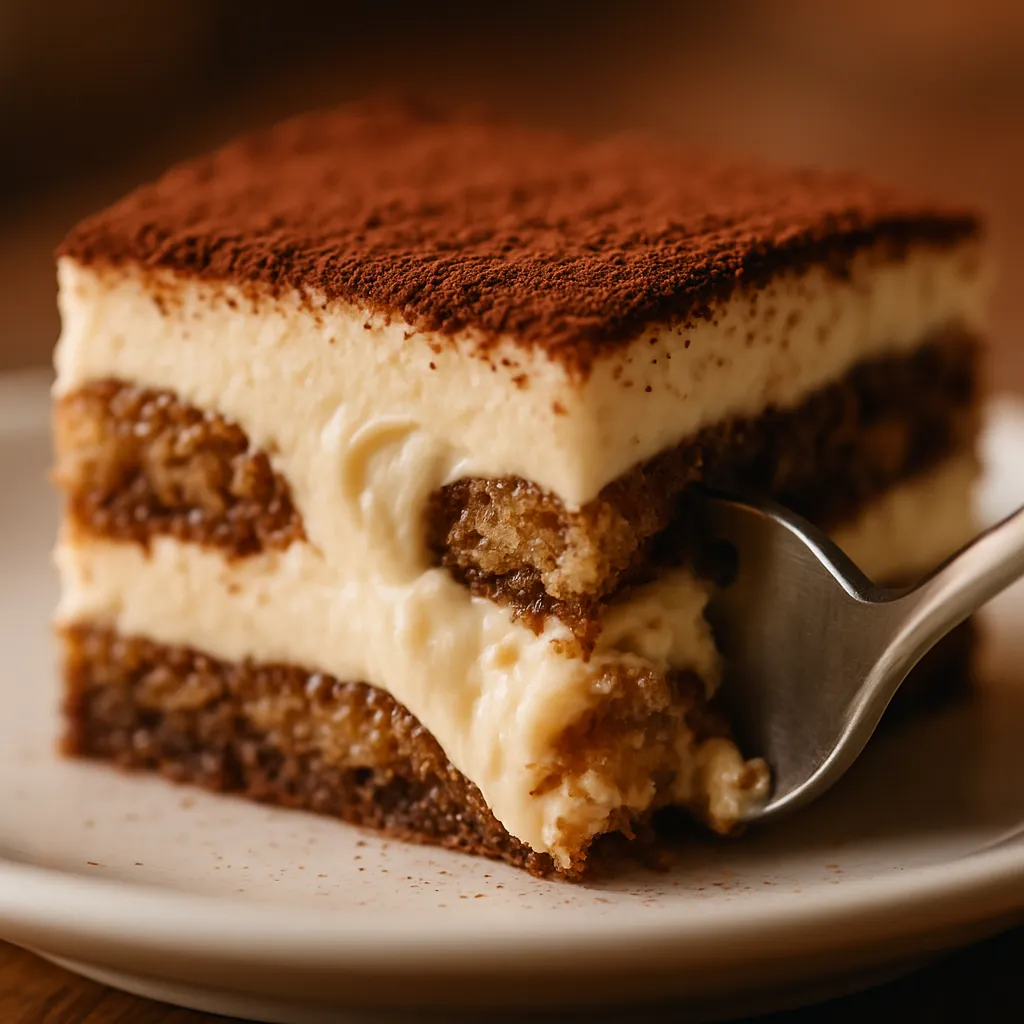
Tiramisu, meaning 'pick me up' in Italian, is one of the world's most beloved desserts—a luxurious no-bake creation that combines espresso-soaked ladyfingers with velvety mascarpone cream and a dusting of cocoa powder. This iconic Italian dolce captures the essence of la dolce vita with every spoonful, balancing rich coffee notes with delicate sweetness.
Despite its elegant appearance, authentic tiramisu is surprisingly simple to make at home. The magic lies in quality ingredients: creamy mascarpone cheese, strong Italian espresso, delicate savoiardi biscuits, and fresh eggs whipped to airy perfection. With proper technique and a few hours of chilling time, you can recreate this restaurant-quality dessert in your own kitchen.
Whether you're honoring the traditional Veneto recipe or exploring modern variations, mastering tiramisu opens the door to countless celebrations. This guide will walk you through every step, from preparing the perfect mascarpone cream to achieving that signature light-yet-indulgent texture that makes tiramisu unforgettable.
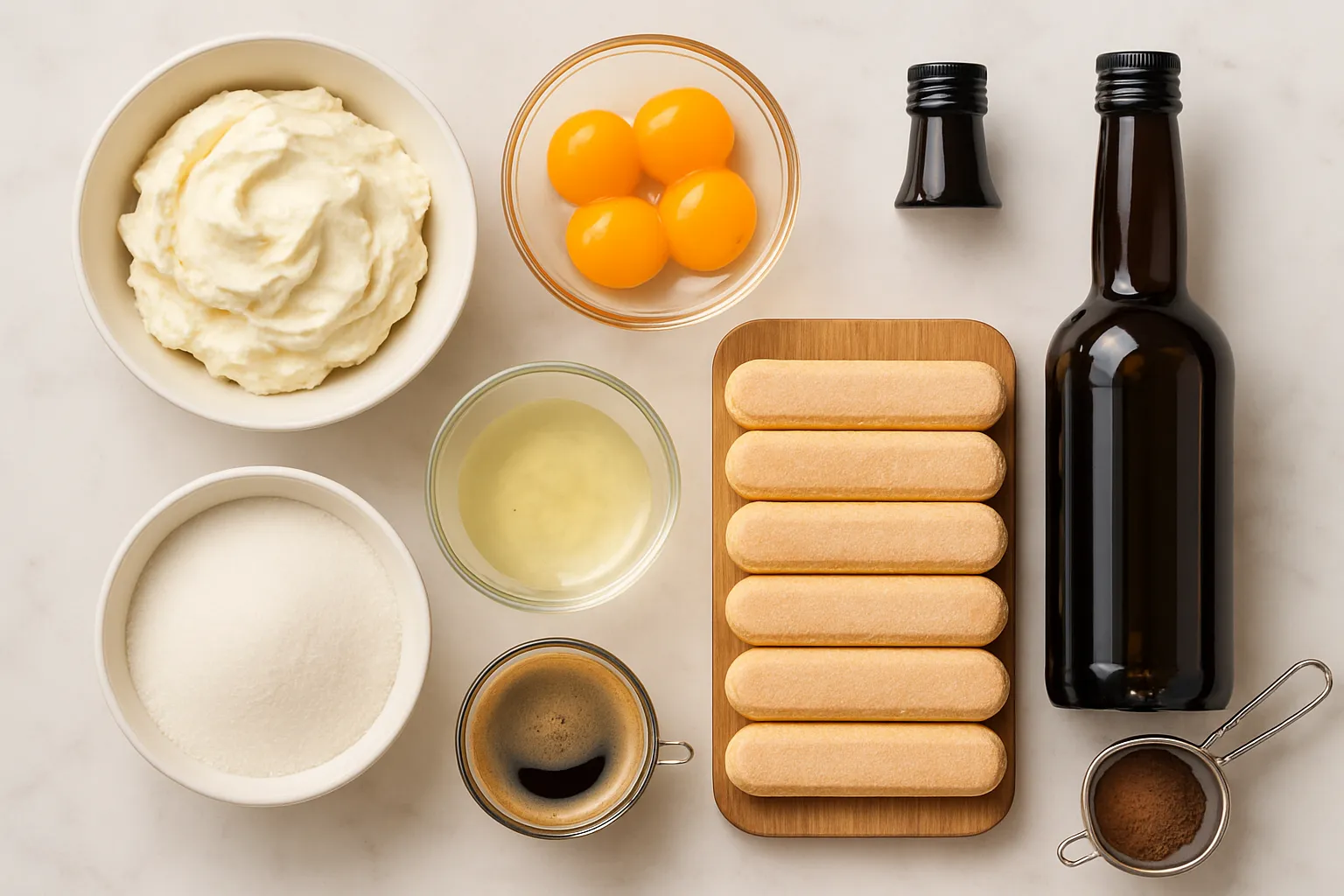
Ingredients
- 6 large Egg yolks at room temperature, preferably pasteurized
- 3/4 cup (150g) Granulated sugar divided
- 500g (about 2 cups) Mascarpone cheese at room temperature
- 4 large Egg whites at room temperature
- 1 1/2 cups (360ml) Strong espresso or Italian coffee cooled to room temperature
- 3 tablespoons Marsala wine or dark rum optional, for the coffee mixture
- 300g (about 30-36 biscuits) Savoiardi (ladyfinger biscuits) Italian-style, dry and crisp
- 2-3 tablespoons Unsweetened cocoa powder high-quality, for dusting
- 1/8 teaspoon Pinch of salt for the egg whites
Instructions
- Whisk egg yolks with 1/2 cup sugar in a heatproof bowl. Place over a pot of simmering water (double boiler) and whisk constantly for 5-8 minutes until thick, pale, and reaching 160°F (71°C) for food safety. Remove from heat and let cool for 5 minutes.
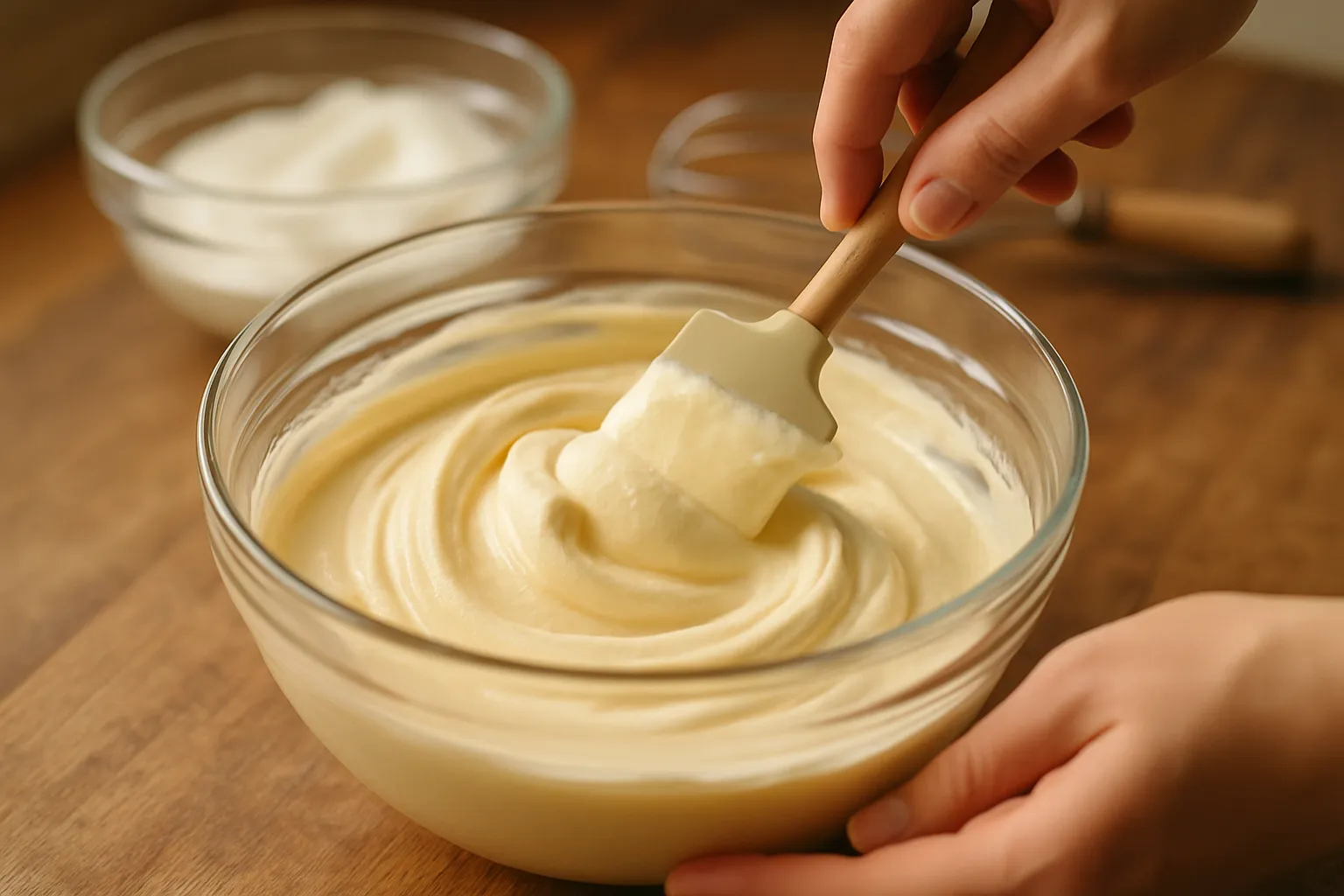
- Add mascarpone to the cooled egg yolk mixture and gently fold with a spatula until smooth and creamy. Avoid overmixing to prevent the mascarpone from becoming runny. Set aside.
- In a clean, dry bowl, beat egg whites with a pinch of salt using an electric mixer. Gradually add remaining 1/4 cup sugar and whip to stiff, glossy peaks. Gently fold the egg whites into the mascarpone mixture in three additions, maintaining the airy texture.
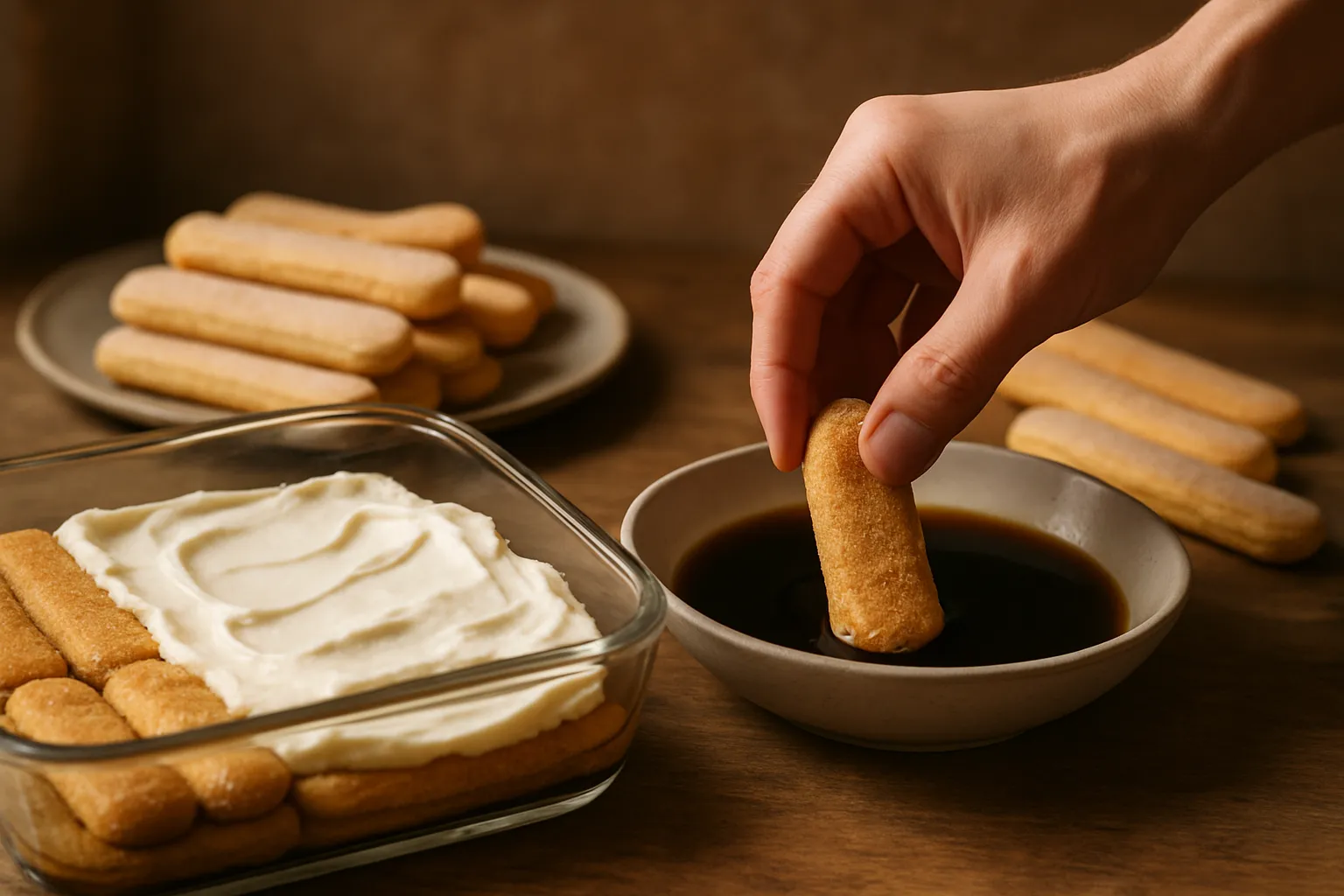
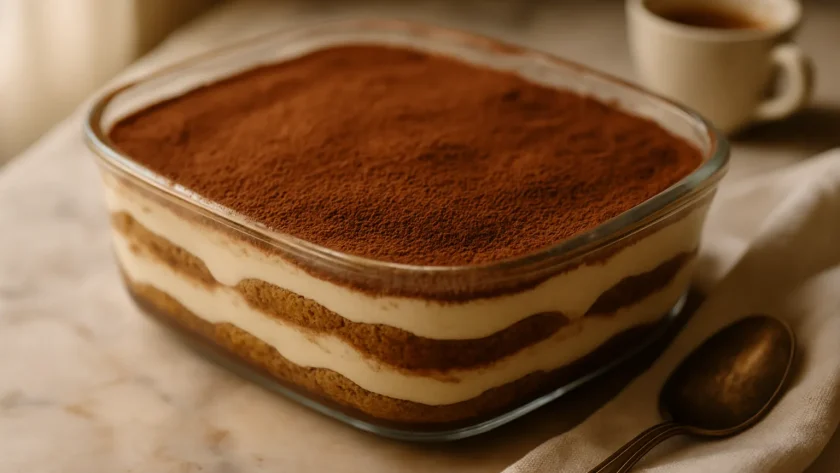
- Combine cooled espresso with Marsala or rum (if using) in a shallow dish. Quickly dip each ladyfinger into the coffee mixture for 1-2 seconds per side—they should be moistened but not soggy. Arrange a single layer in the bottom of a 9×13-inch (23x33cm) dish.
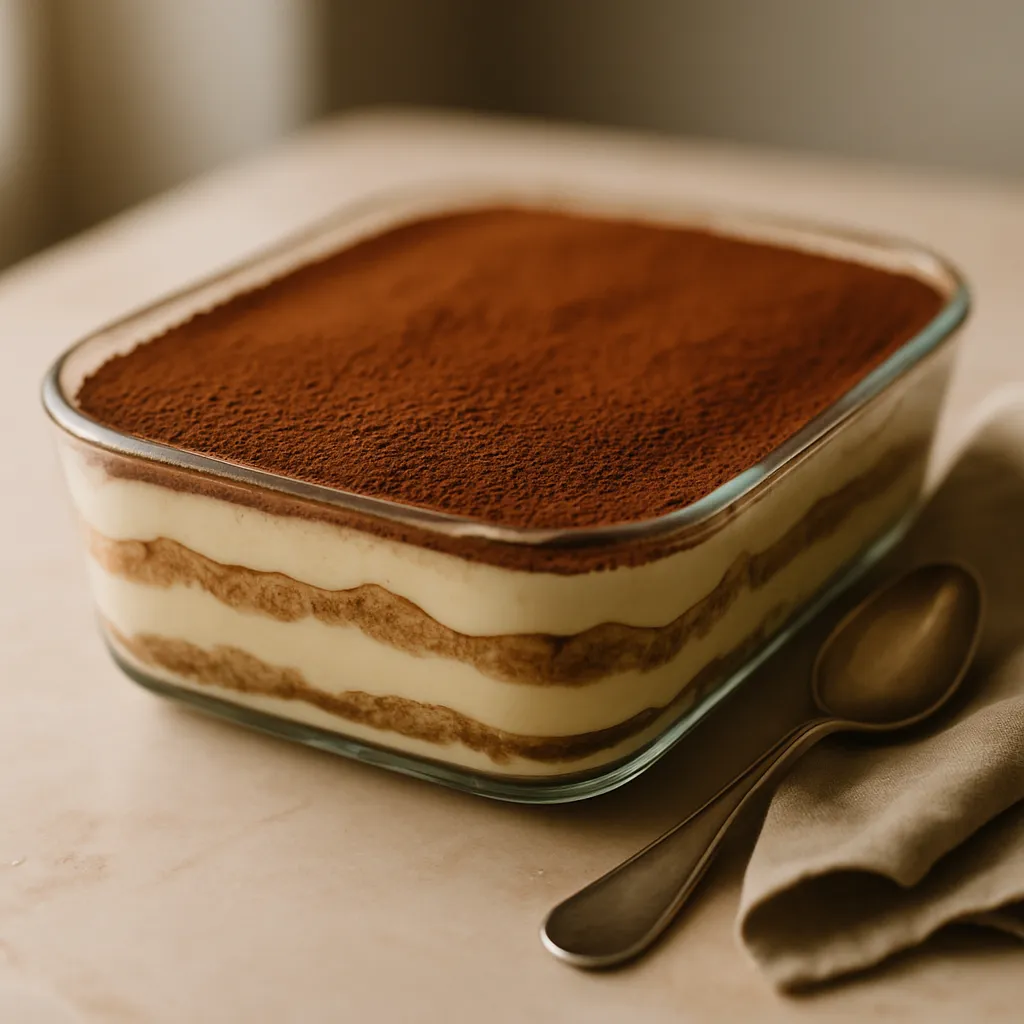
- Spread half of the mascarpone cream evenly over the ladyfinger layer. Repeat with another layer of dipped ladyfingers and top with the remaining cream, smoothing the surface with a spatula.
- Cover the dish tightly with plastic wrap and refrigerate for at least 6 hours, preferably overnight, to allow the flavors to meld and the texture to set properly.
- Just before serving, dust the top generously with unsweetened cocoa powder using a fine-mesh sieve. Slice into portions and serve chilled for the best flavor and texture.
Chef’s Tips
- Bring mascarpone and eggs to room temperature before starting—cold mascarpone can cause lumps and a grainy texture in your cream.
- Use freshly brewed, strong espresso for authentic flavor. Instant coffee works in a pinch, but use double the normal concentration for intensity.
- The key to non-soggy tiramisu is the quick dip: 1-2 seconds per side maximum. Ladyfingers will continue absorbing moisture as the dessert chills.
- For extra food safety, use pasteurized eggs or cook the yolk mixture to 160°F (71°C) in a double boiler, whisking constantly to avoid scrambling.
- Tiramisu tastes best when made a day ahead—the flavors deepen and the texture becomes perfectly creamy as it rests in the refrigerator.
Common Mistakes to Avoid
- Overmixing the mascarpone cream, which breaks down the cheese and creates a runny, separated mixture instead of a stable, fluffy cream.
- Soaking ladyfingers too long in coffee, resulting in a mushy, soggy texture that collapses under the weight of the cream layers.
- Using cold mascarpone straight from the fridge, which leads to lumps and makes it nearly impossible to achieve a smooth, velvety consistency.
- Skipping the chilling time or serving too soon—tiramisu needs at least 6 hours to set properly and develop its signature creamy texture.
- Adding cocoa powder too early, which causes it to absorb moisture and turn muddy. Always dust with cocoa just before serving for the best appearance.
Variations
- Alcohol-Free Tiramisu: Omit the Marsala or rum and add 1 teaspoon vanilla extract to the coffee for a family-friendly version that's safe for children.
- Strawberry Tiramisu: Replace espresso with sweetened strawberry purée and layer with fresh sliced strawberries for a fruity, summery twist on the classic.
- Vegan Tiramisu: Substitute mascarpone with blended cashew cream, use aquafaba (chickpea liquid) whipped to peaks instead of eggs, and ensure ladyfingers are egg-free.
- Individual Tiramisu Cups: Assemble in clear glasses or jars for elegant single servings—perfect for dinner parties and portion control.
- Matcha Tiramisu: Replace cocoa powder with matcha green tea powder and reduce espresso by half, adding matcha to the coffee mixture for an earthy, Japanese-Italian fusion.
Storage
Store tiramisu covered tightly in the refrigerator for up to 3 days. The dessert is best enjoyed within 2 days for optimal texture and food safety, as it contains raw or lightly cooked eggs and fresh dairy. Do not leave at room temperature for more than 2 hours. While freezing is possible, it may compromise the creamy texture—if freezing, wrap tightly and consume within 1 month, thawing overnight in the refrigerator.
Frequently Asked Questions
What does tiramisu mean in Italian?
Tiramisu translates to 'pick me up' or 'lift me up' in Italian, referring to the energizing effects of the espresso and sugar in this beloved dessert. The name perfectly captures its mood-boosting qualities.
Can you make tiramisu without raw eggs?
Yes. Use pasteurized eggs, or cook the egg yolk mixture to 160°F (71°C) in a double boiler while whisking constantly. You can also use pasteurized egg products or make an eggless version with stabilized whipped cream and mascarpone.
How long does tiramisu last in the fridge?
Properly stored tiramisu lasts 2-3 days in the refrigerator when covered tightly. For best flavor and texture, consume within 48 hours. The dessert contains fresh eggs and dairy, so always refrigerate and never leave at room temperature for extended periods.
What can I substitute for mascarpone?
While mascarpone is irreplaceable for authentic tiramisu, you can blend 8 oz cream cheese with 1/4 cup heavy cream as an emergency substitute. The texture will be slightly denser and tangier than traditional tiramisu.
Is tiramisu safe for pregnant women?
Traditional tiramisu contains raw or lightly cooked eggs and alcohol, which are not recommended during pregnancy. Pregnant women should choose versions made with fully pasteurized eggs cooked to 160°F and omit the alcohol entirely.
Why is my tiramisu runny?
Runny tiramisu usually results from overmixing the mascarpone (which breaks down its structure), using cold mascarpone, insufficient chilling time, or ladyfingers that were soaked too long. Ensure proper folding technique and refrigerate for at least 6 hours to set.