 admin
admin 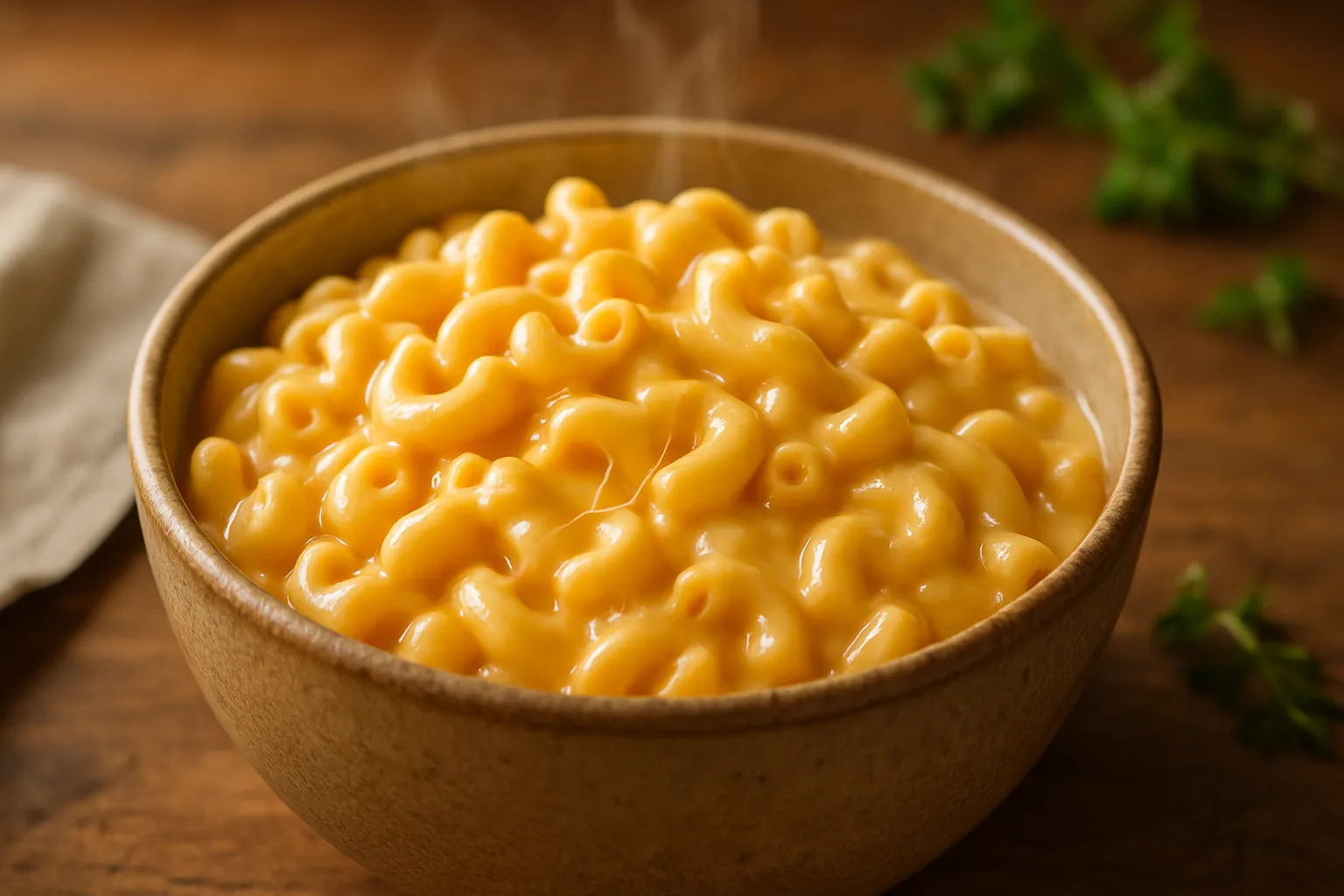
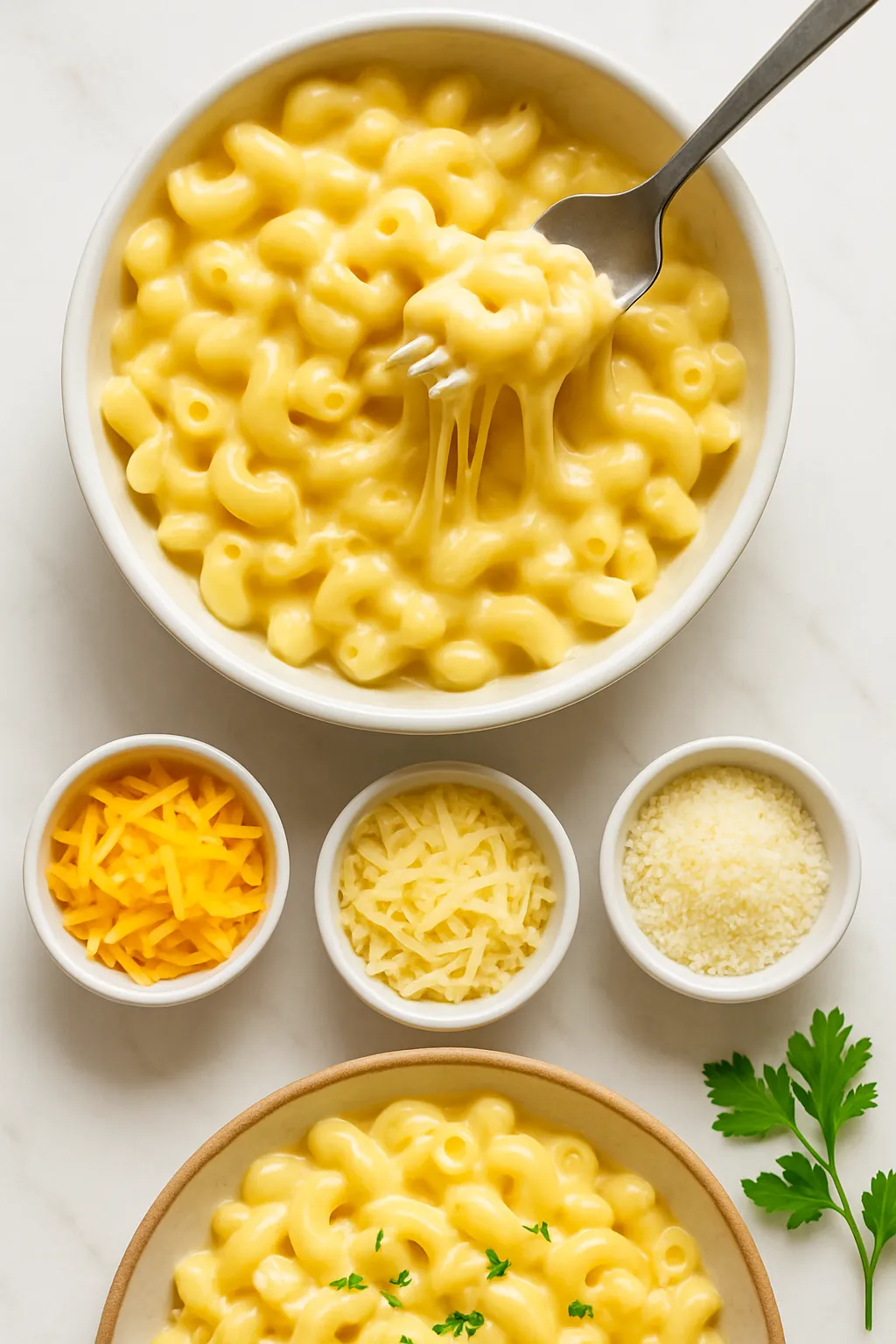
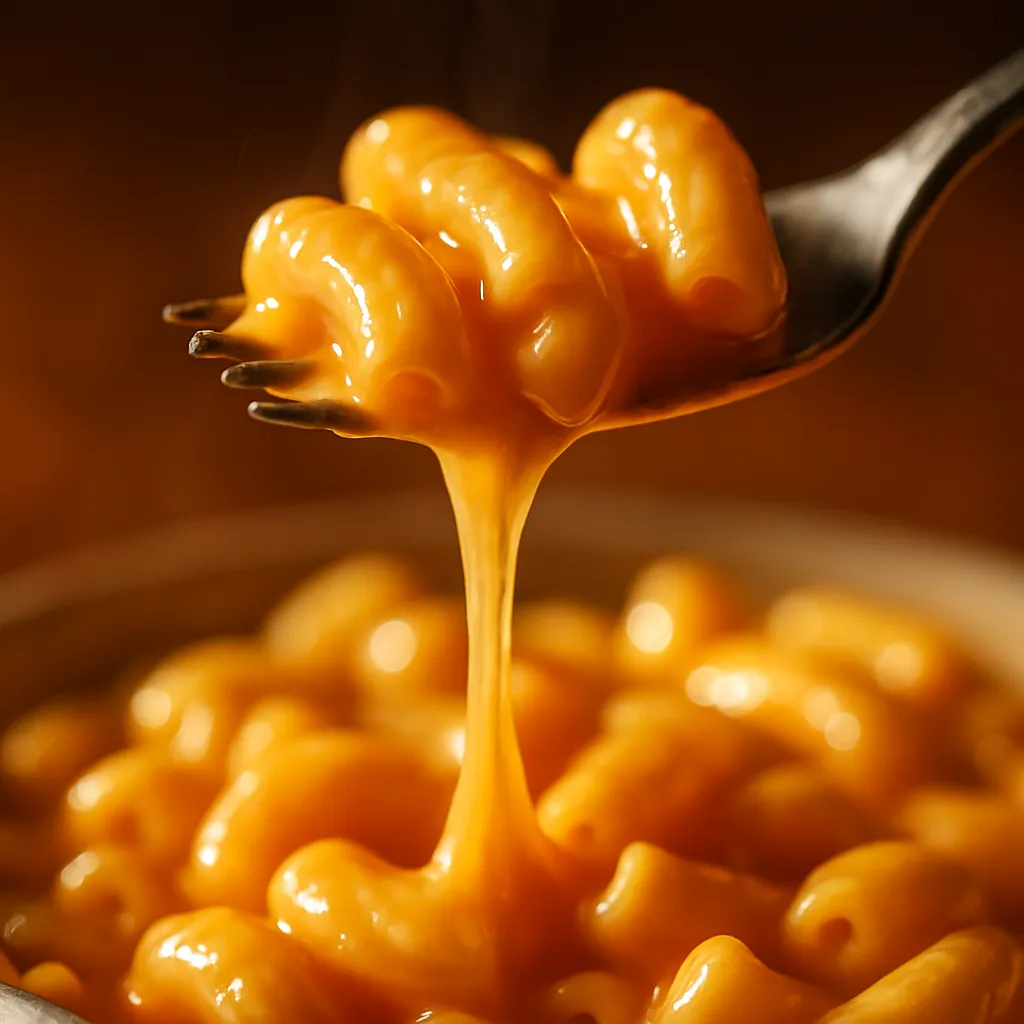
Mac and cheese is the ultimate American comfort food classic—a dish that combines tender pasta with a rich, velvety cheese sauce to create pure indulgence in every bite. Whether you grew up with the boxed version or discovered it later in life, homemade mac and cheese elevates this humble dish into something truly spectacular.
For Italian food lovers who appreciate the marriage of quality pasta and exceptional cheese, this recipe will feel both familiar and exciting. We'll show you how to build a silky béchamel-based cheese sauce using traditional techniques, then customize it with Italian cheese alternatives like aged provolone, taleggio, or grana padano alongside classic cheddar.
This comprehensive guide covers both stovetop and baked versions, troubleshooting tips to avoid grainy sauce, and creative variations to make this recipe your own. With metric measurements and clear instructions, you'll master this iconic dish in about 30 minutes.
Ingredients
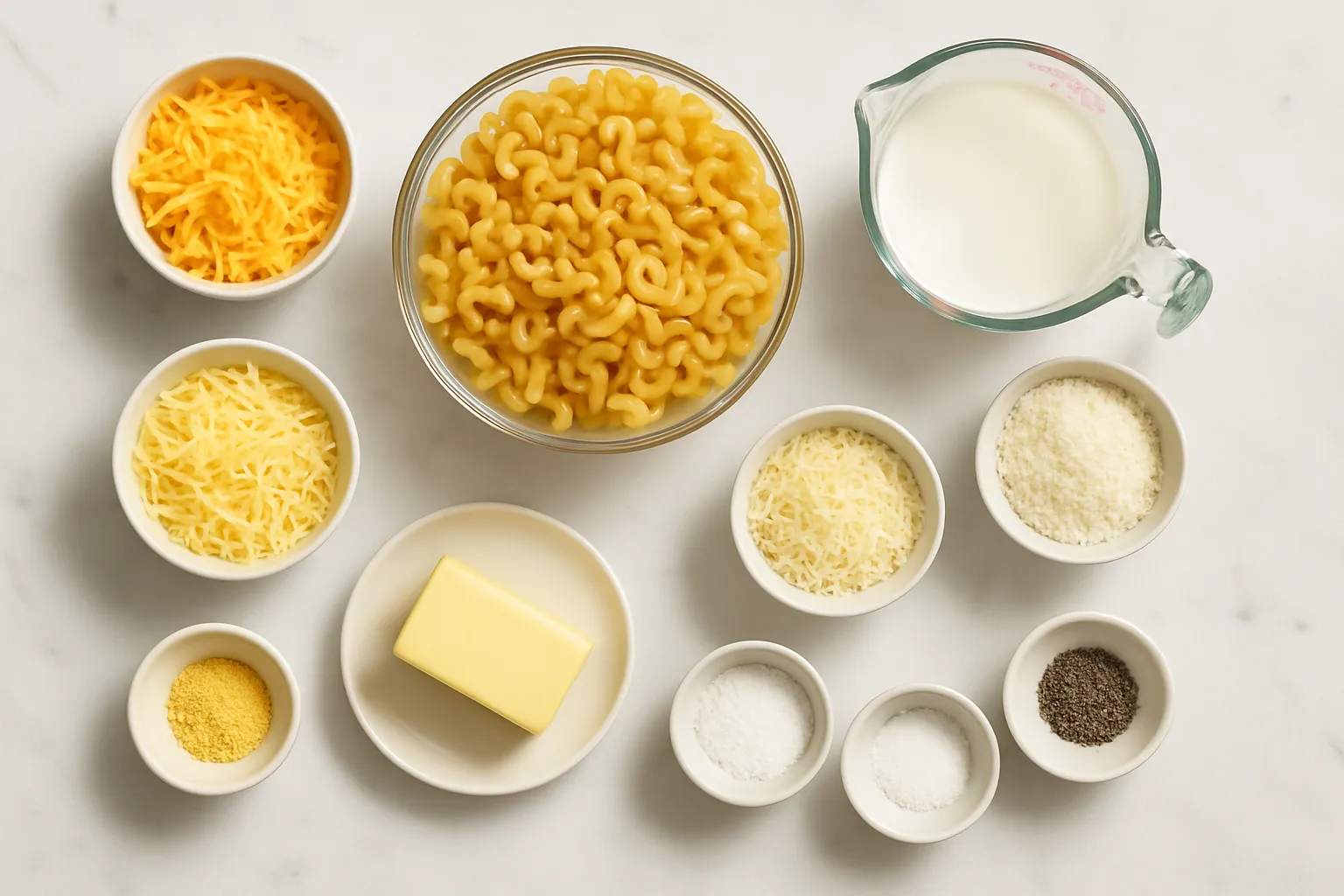
- 400g Elbow macaroni or pasta shells or other short pasta shape
- 60g Butter unsalted, for the roux
- 60g All-purpose flour for thickening
- 750ml Whole milk room temperature preferred
- 300g Sharp cheddar cheese freshly grated
- 150g Gruyère or fontina cheese freshly grated
- 50g Grana Padano or Parmesan freshly grated
- to taste Salt for pasta water and seasoning
- ½ tsp Black pepper freshly ground
- 1 tsp Mustard powder optional, enhances cheese flavor
- ¼ tsp Nutmeg freshly grated, optional
- 100g Breadcrumbs for baked version topping, optional
Instructions
- Bring a large pot of salted water to a boil. Add the pasta and cook until al dente according to package directions, usually 7-8 minutes. Drain and set aside, reserving 250ml of pasta cooking water.
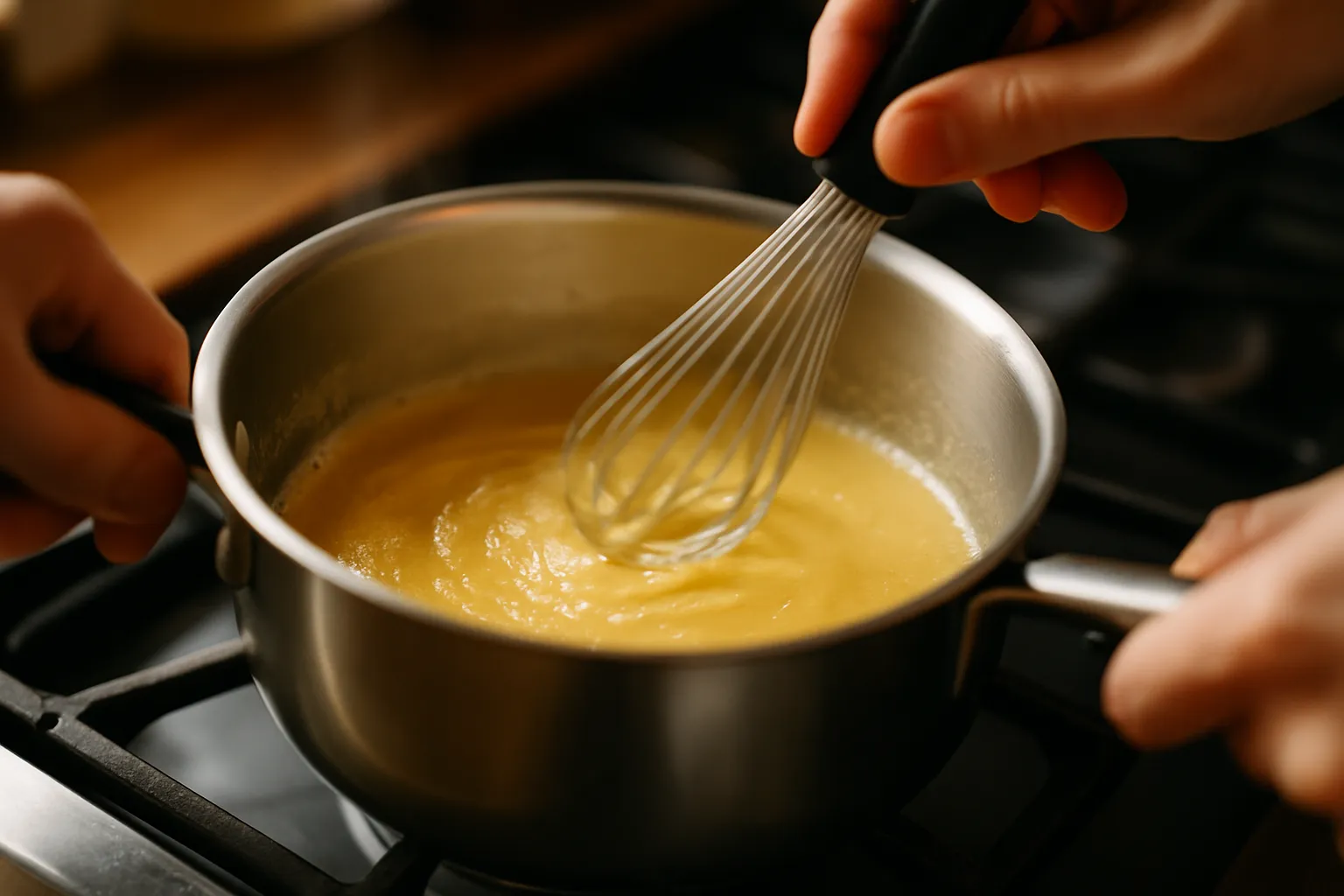
- In a large saucepan or pot, melt the butter over medium heat. Add the flour and whisk continuously for 2-3 minutes to create a smooth roux. Cook until it turns light golden and smells slightly nutty, but don't let it brown.
- Gradually pour in the milk while whisking constantly to prevent lumps. Continue whisking until the mixture comes to a gentle simmer and thickens into a smooth béchamel sauce, about 5-7 minutes. The sauce should coat the back of a spoon.
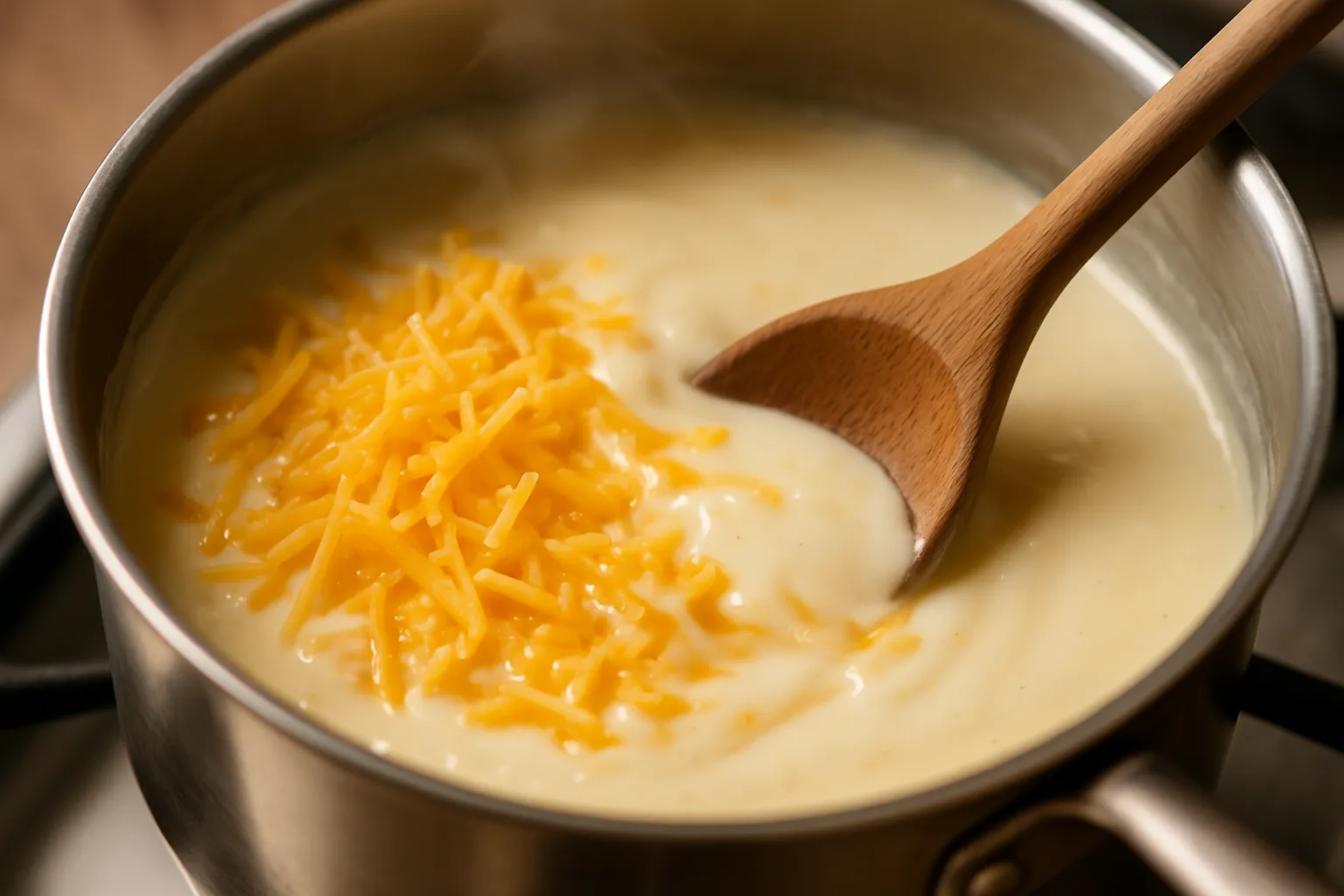
- Remove the pot from heat. Add the mustard powder, nutmeg, salt, and pepper, then stir in the grated cheeses in batches, stirring until each addition melts completely. The residual heat will melt the cheese smoothly without making it grainy.
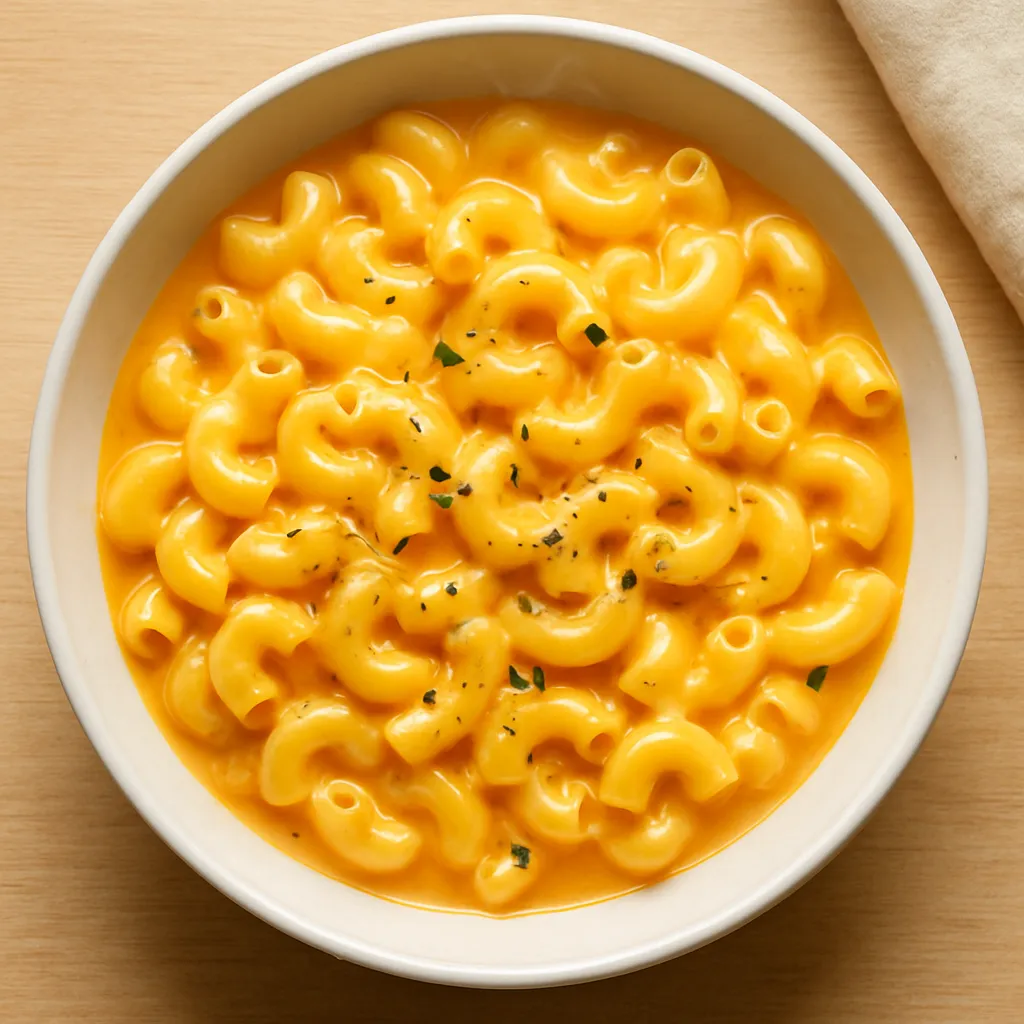
- Add the cooked pasta to the cheese sauce and stir gently to coat every piece. If the sauce seems too thick, add reserved pasta water a little at a time until you reach your desired creamy consistency. Taste and adjust seasoning as needed.
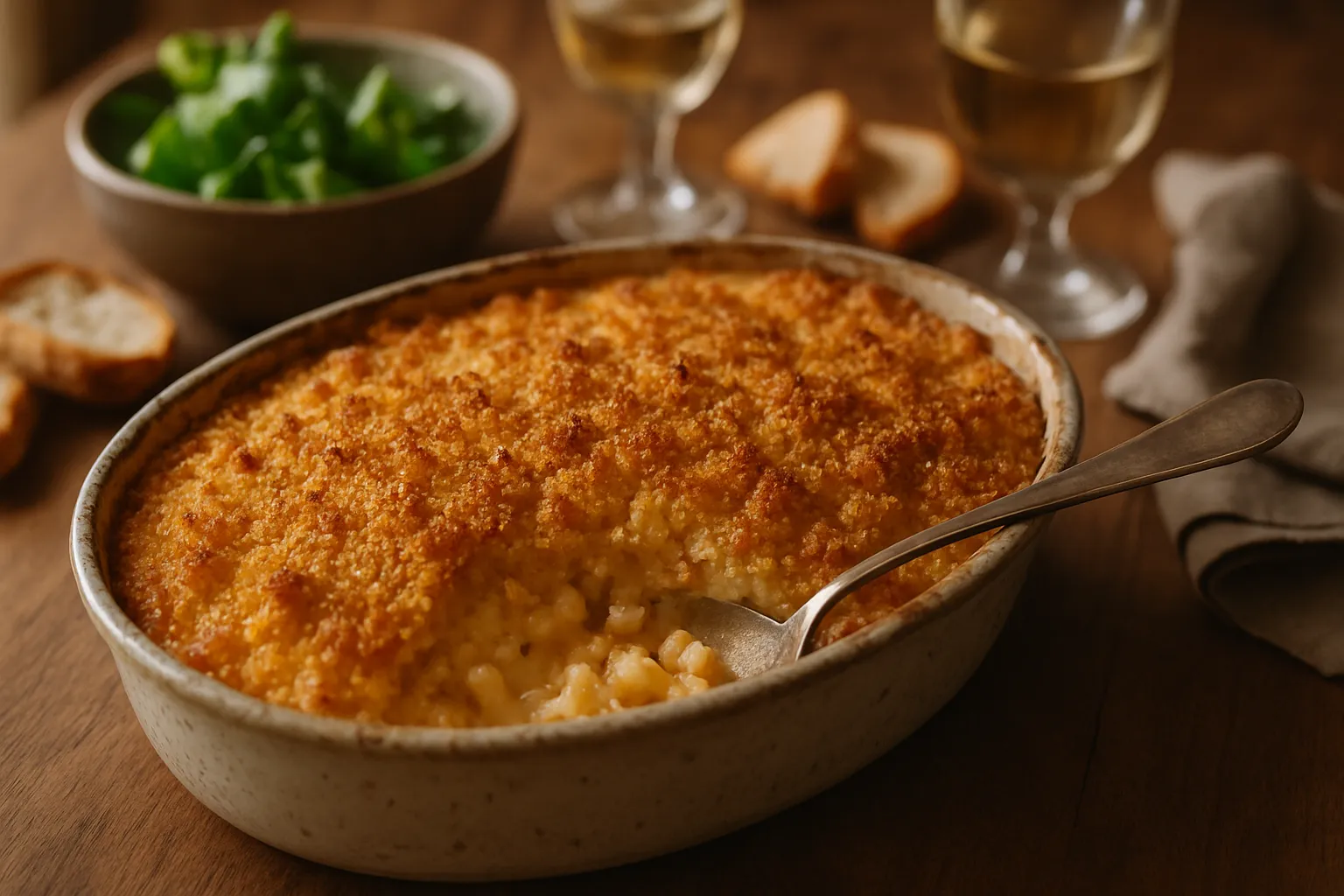
- For stovetop mac and cheese, serve immediately while hot and creamy. For baked version, transfer to a buttered baking dish, top with breadcrumbs mixed with a little melted butter and extra grated cheese, then bake at 180°C for 25-30 minutes until golden and bubbly on top.
Chef’s Tips
- Always use freshly grated cheese from a block rather than pre-shredded varieties, which contain anti-caking agents that prevent smooth melting and can make your sauce grainy.
- Remove the pot from heat before adding cheese to prevent the sauce from getting too hot, which causes the proteins to seize and create a grainy, separated texture.
- Cook your pasta 1-2 minutes less than package directions if baking, as it will continue cooking in the oven and absorb sauce.
- Add a splash of reserved pasta water to adjust consistency—the starchy water helps the sauce cling to the pasta better than plain water or milk.
- Season your pasta cooking water generously with salt (it should taste like the sea) to ensure the pasta itself is flavorful, not just the sauce.
Common Mistakes to Avoid
- Adding cheese to sauce that's too hot causes the proteins to separate and fat to break out, resulting in a grainy, oily texture. Always remove from heat first and let it cool slightly.
- Using pre-shredded cheese with cellulose coating prevents proper melting and creates a gritty sauce. Invest a few extra minutes to grate your own cheese for silky results.
- Overcooking the pasta makes it mushy and unable to hold the sauce properly. Always cook to al dente, especially if you're baking the dish afterward.
- Under-seasoning is a common pitfall—cheese sauce needs adequate salt, pepper, and a flavor booster like mustard powder or nutmeg to reach its full potential.
- Making the roux too quickly or not cooking it long enough leaves a raw flour taste in your sauce. Take the time to cook it for 2-3 minutes until fragrant.
Variations
- Lobster Mac and Cheese: Fold in 300g cooked lobster meat and add a splash of white wine to the sauce for an elegant, restaurant-worthy upgrade.
- Italian-Style with Pancetta and Truffle: Add crispy pancetta pieces and finish with a drizzle of truffle oil and fresh thyme for a gourmet twist.
- Vegetable-Loaded: Stir in blanched broccoli florets, peas, or roasted cherry tomatoes for added nutrition and color without sacrificing creaminess.
- Healthier Version: Use whole wheat pasta, replace half the milk with low-fat milk or unsweetened almond milk, and add pureed cauliflower to the sauce for extra vegetables.
- Gluten-Free: Substitute regular pasta with gluten-free varieties (widely available in Italian markets) and use cornstarch or gluten-free flour blend for the roux.
Storage
Store leftover mac and cheese in an airtight container in the refrigerator for up to 4 days. For longer storage, freeze portions in freezer-safe containers for up to 3 months. Thaw overnight in the refrigerator before reheating. To reheat, add a splash of milk and warm gently on the stovetop over low heat, stirring frequently, or reheat in the oven at 180°C covered with foil for 15-20 minutes. The milk helps restore the creamy texture that thickens during refrigeration.
Frequently Asked Questions
What is the best cheese for mac and cheese?
A combination works best: sharp cheddar for flavor, gruyère or fontina for creaminess, and Parmesan or grana padano for depth. Italian alternatives like aged provolone or taleggio add unique character. Always use freshly grated cheese for the smoothest sauce.
How do you prevent mac and cheese from being grainy?
Remove the pot from heat before adding cheese, use freshly grated cheese (not pre-shredded), and add cheese gradually while stirring. Avoid overheating the sauce, as high temperatures cause cheese proteins to separate and create a grainy texture.
Can I make mac and cheese ahead of time?
Yes! Prepare the mac and cheese completely, let it cool, then cover and refrigerate for up to 2 days. When ready to serve, add a splash of milk and reheat gently on the stovetop or bake covered at 180°C. The baked version reheats particularly well.
What pasta shape works best for mac and cheese?
Elbow macaroni is traditional, but shells, cavatappi, pipette, or any short pasta with ridges or curves works beautifully. These shapes trap the creamy sauce in their crevices, ensuring every bite is flavorful. Avoid long pasta like spaghetti.
How do you keep mac and cheese from drying out?
Make sure your sauce is slightly looser than you want the final dish, as pasta absorbs liquid over time. Reserve pasta water to adjust consistency. When baking, cover with foil for the first 15 minutes, then uncover to brown. Add milk when reheating leftovers.