 admin
admin 
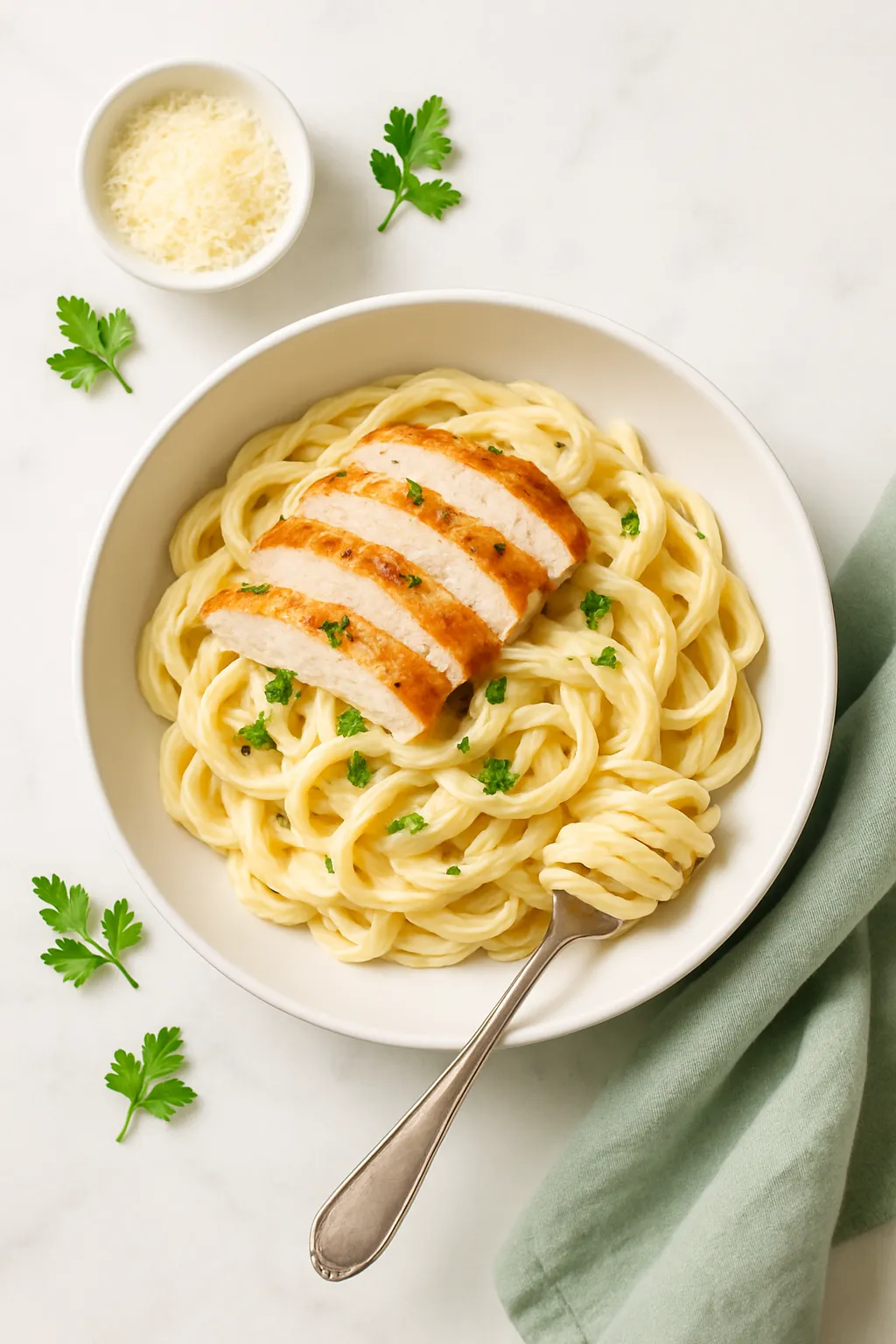
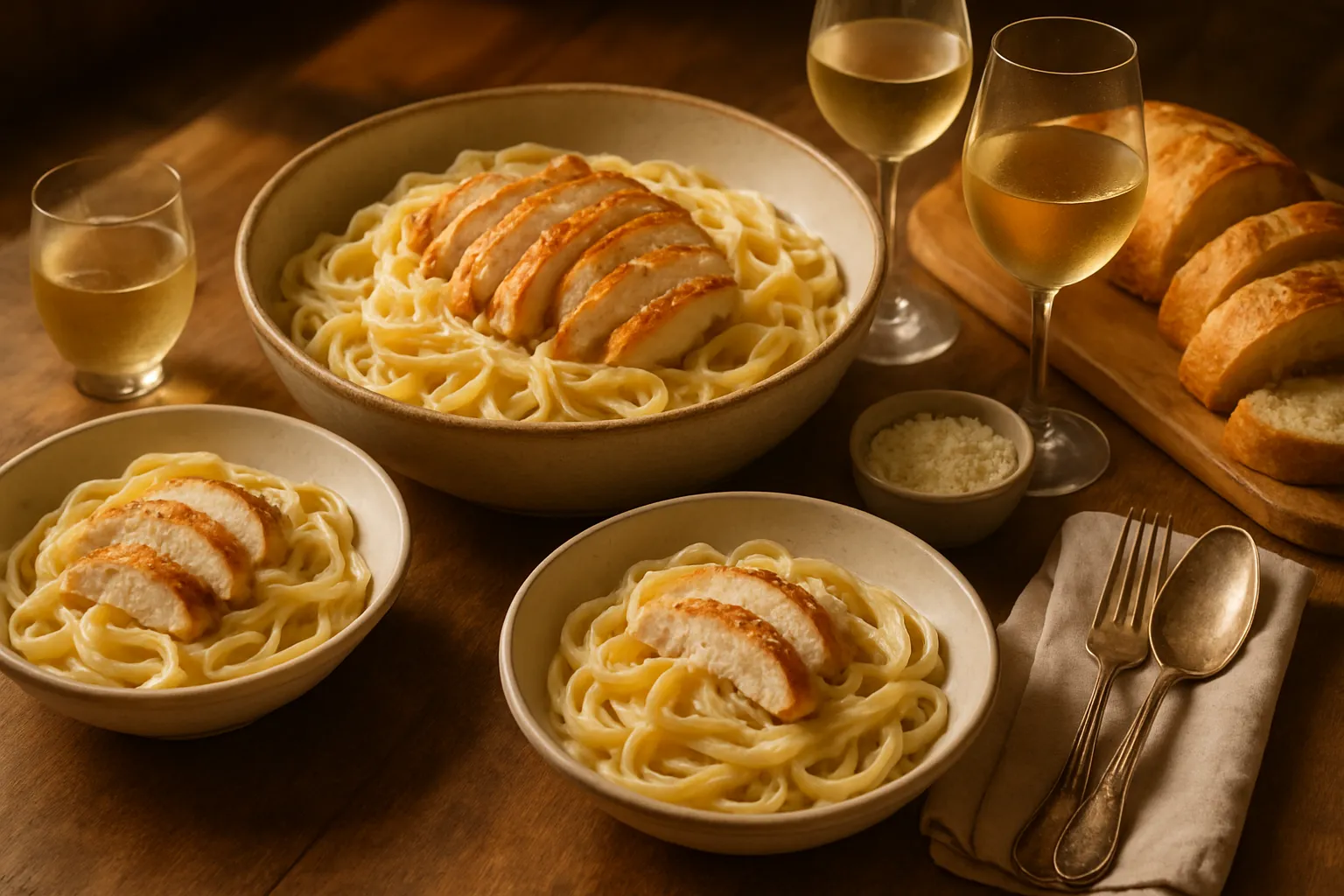
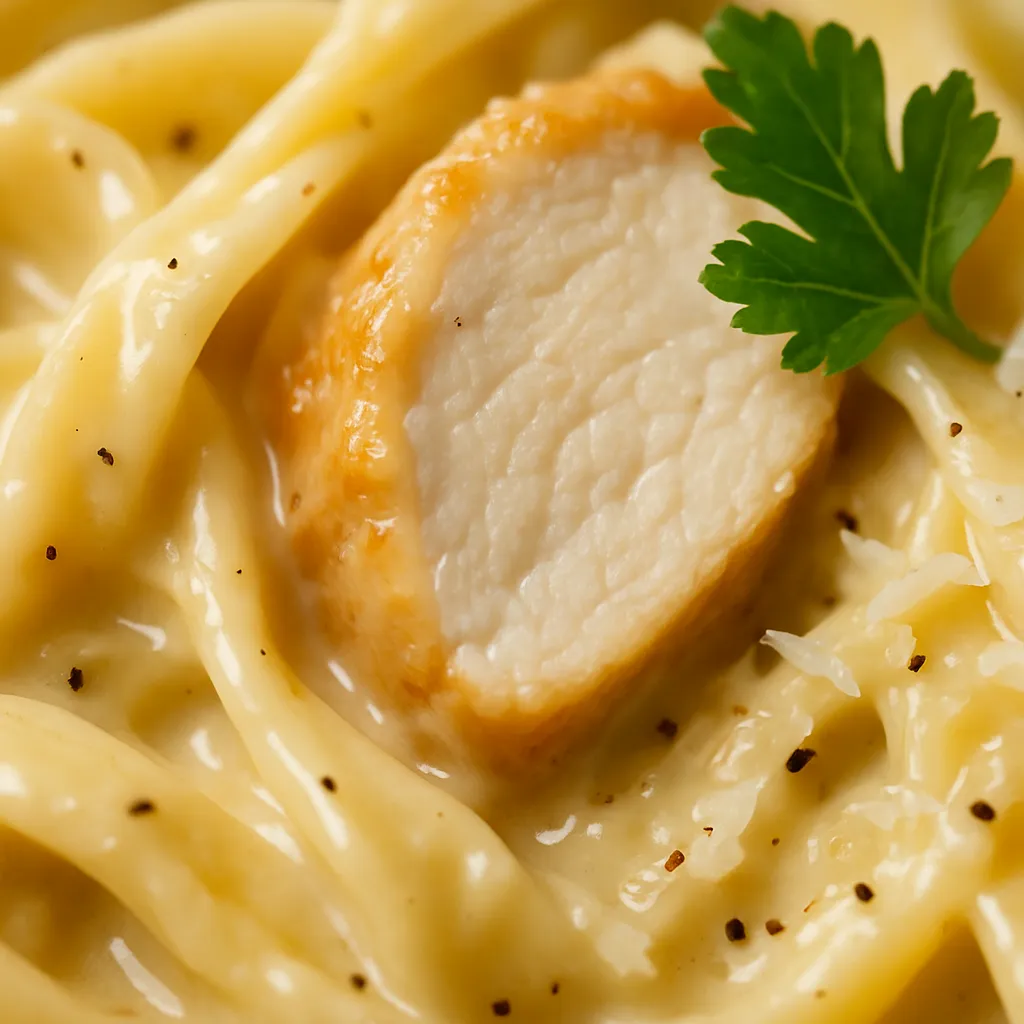
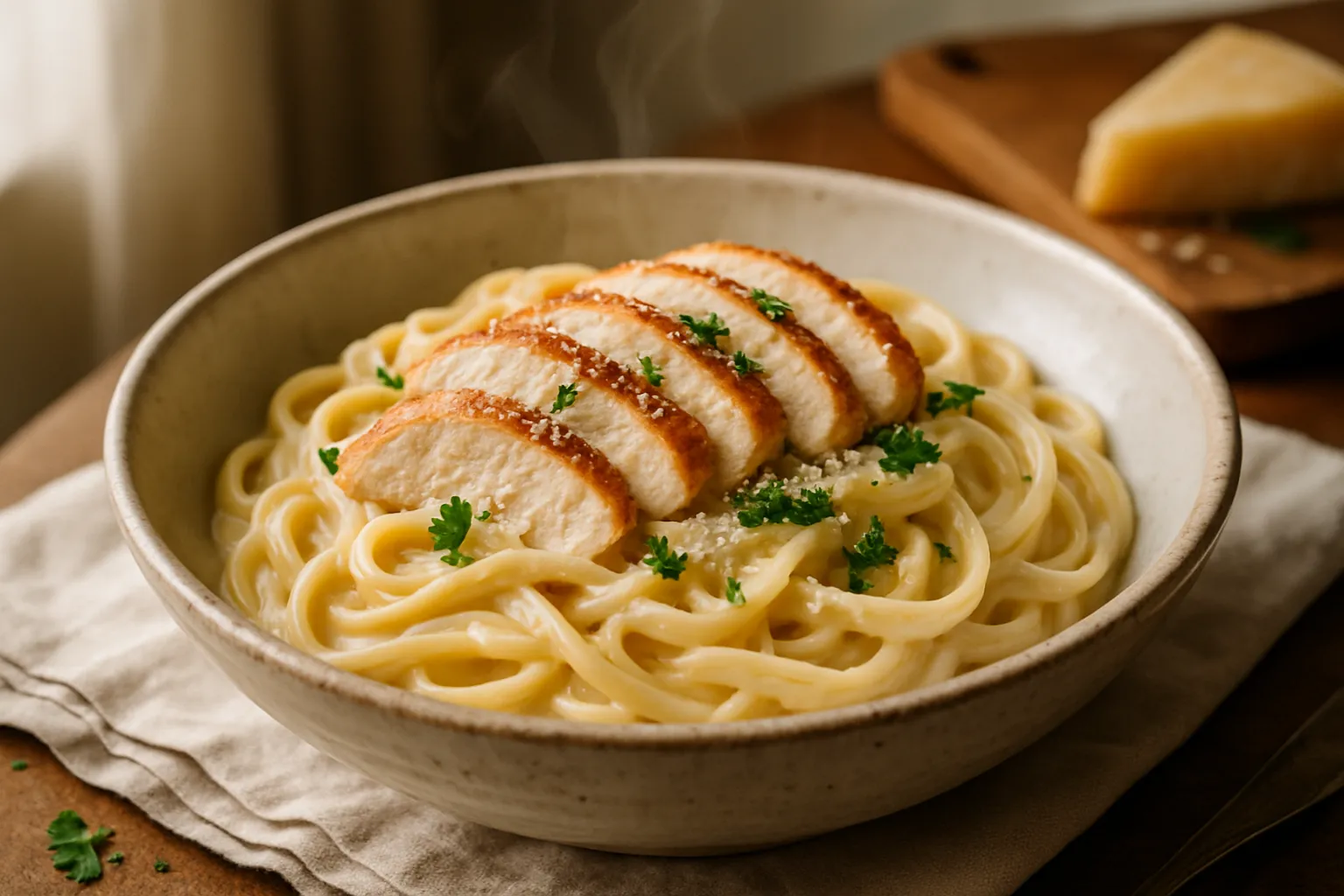
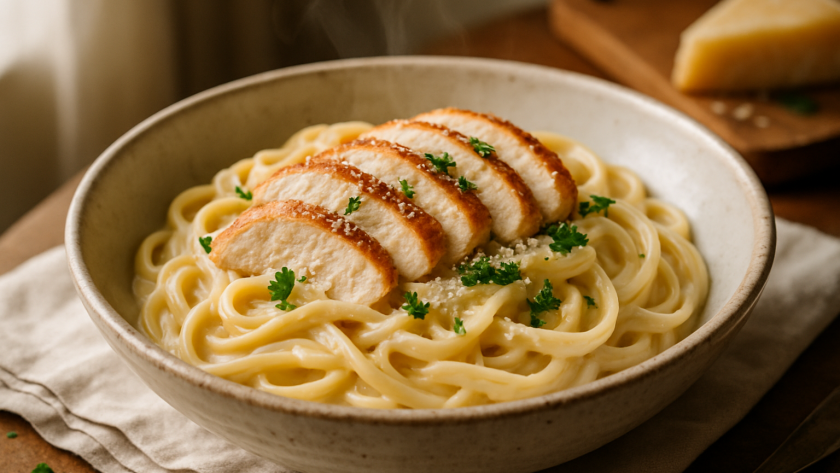
Chicken Alfredo Pasta is the ultimate comfort food—tender chicken breast nestled in silky, rich alfredo sauce coating perfectly cooked fettuccine. While purists know that authentic fettuccine Alfredo from Rome contains only butter, pasta, and Parmigiano-Reggiano, the American version with heavy cream has become a beloved Italian-restaurant staple for good reason.
This recipe delivers restaurant-quality results in just 30 minutes. The secret lies in understanding a few key techniques: cooking your chicken to golden perfection, building a velvety sauce with proper temperature control, and using pasta water to create that signature creamy emulsion.
Whether you're a weeknight dinner hero or entertaining guests, this Chicken Alfredo Pasta strikes the perfect balance between indulgent flavor and achievable home cooking. Let's dive into creating this crowd-pleasing classic that rivals any Italian restaurant.
Ingredients
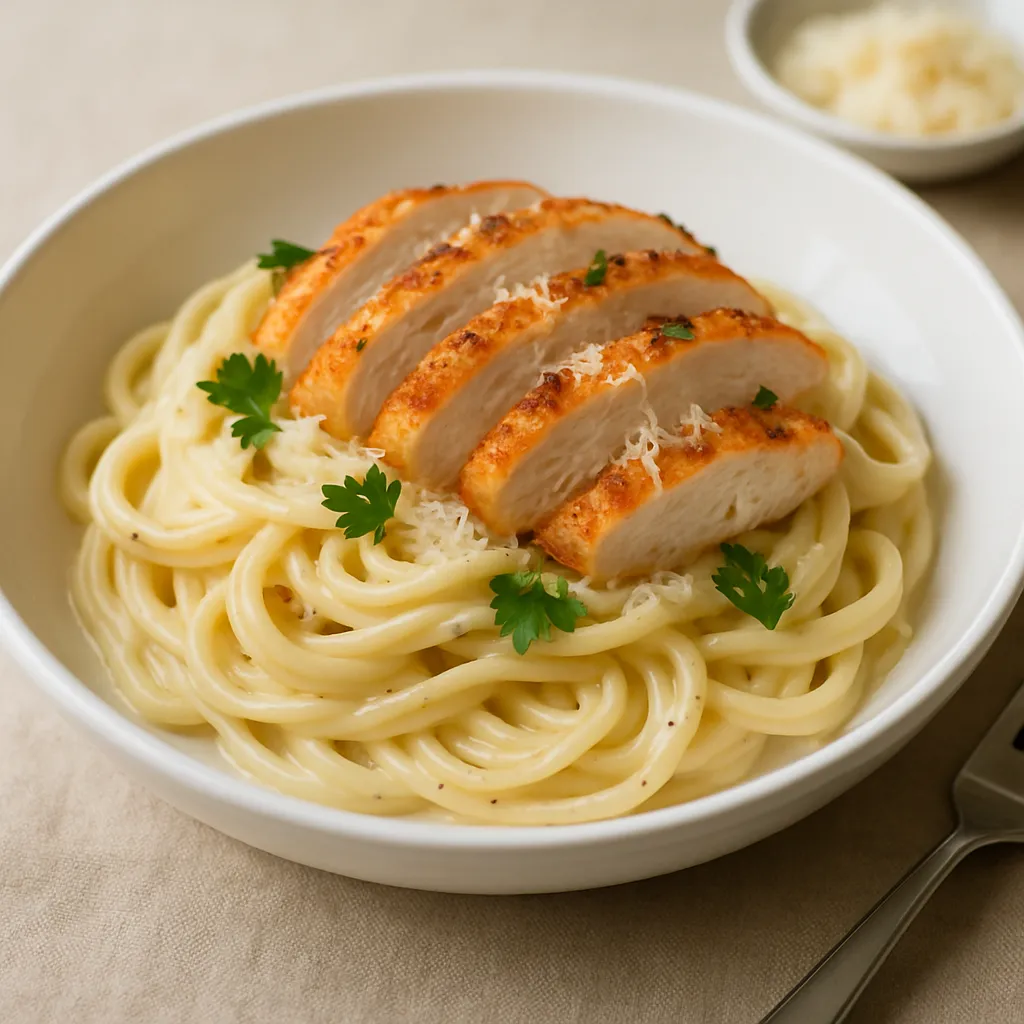
- 12 oz fettuccine pasta fresh or dried
- 1 lb boneless skinless chicken breasts about 2 medium breasts
- 4 tablespoons unsalted butter European-style preferred
- 1½ cups heavy cream at room temperature
- 1½ cups Parmigiano-Reggiano cheese freshly grated
- 3 cloves garlic minced
- to taste salt for pasta water and seasoning
- ½ teaspoon black pepper freshly ground
- 2 tablespoons olive oil for cooking chicken
- ⅛ teaspoon fresh nutmeg optional, freshly grated
- 2 tablespoons fresh parsley chopped, for garnish
Instructions
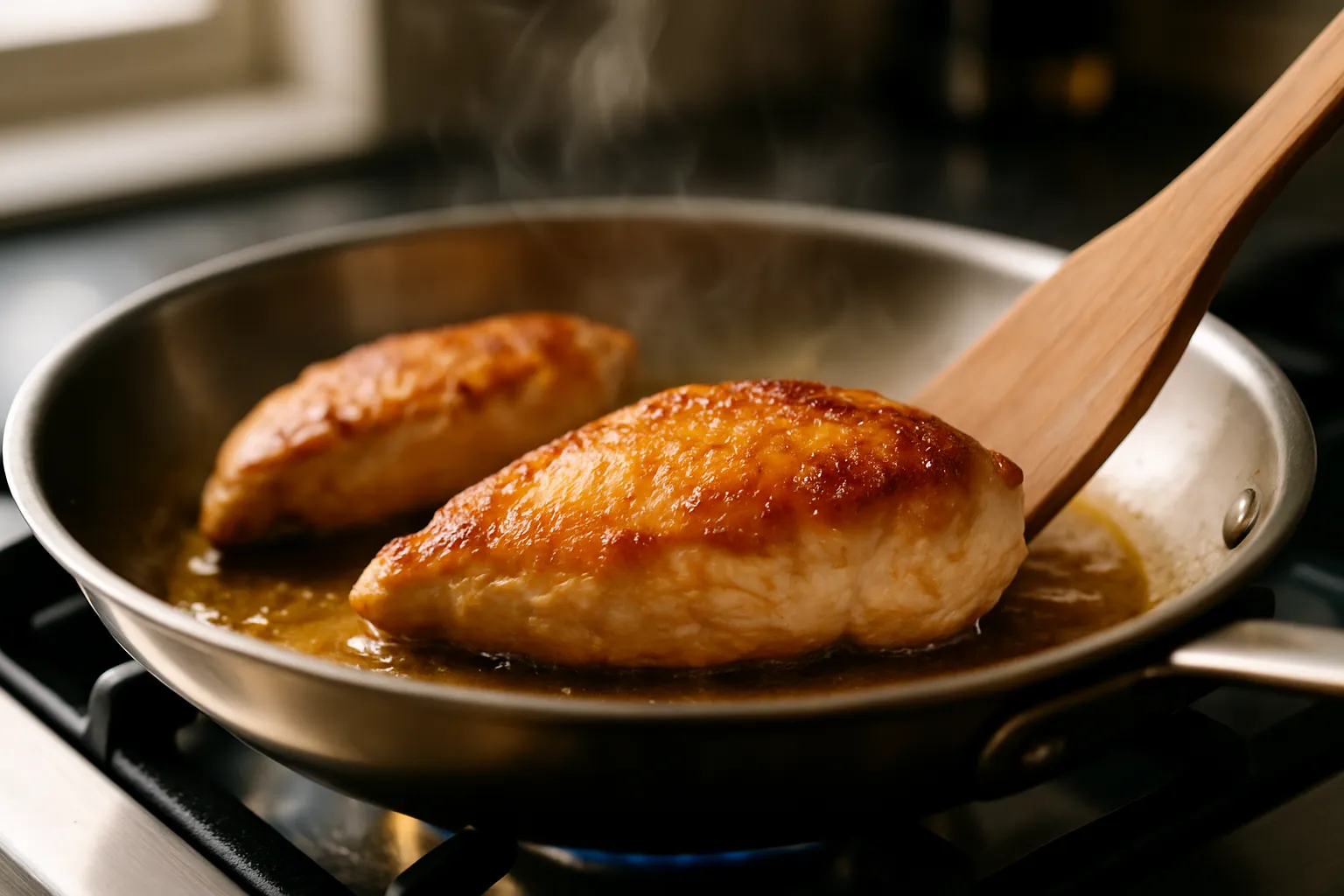
- Season chicken breasts generously with salt and pepper on both sides. Heat olive oil in a large skillet over medium-high heat. Add chicken and cook 6-7 minutes per side until golden brown and internal temperature reaches 165°F. Remove from skillet, let rest 5 minutes, then slice into strips.
- Bring a large pot of salted water to a boil. Add fettuccine and cook according to package directions until al dente, usually 8-10 minutes for dried pasta or 2-3 minutes for fresh. Reserve 1 cup pasta water before draining.
- In the same skillet used for chicken (wiped clean), melt butter over medium heat. Add minced garlic and sauté for 1 minute until fragrant but not browned.
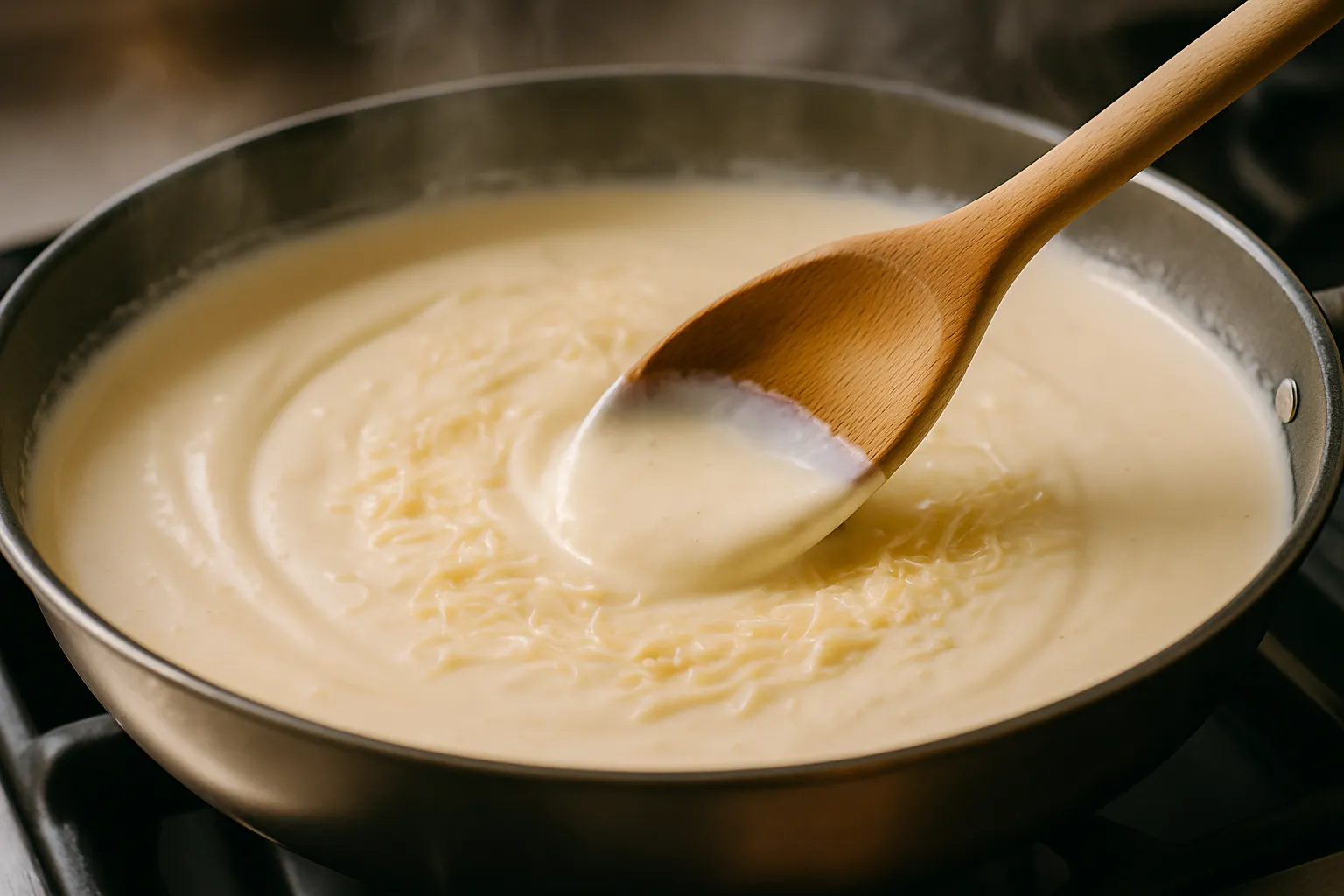
- Pour in heavy cream and bring to a gentle simmer. Reduce heat to medium-low and let simmer for 3-4 minutes, stirring occasionally, until the sauce thickens slightly and coats the back of a spoon.
- Remove skillet from heat. Gradually add freshly grated Parmigiano-Reggiano in three additions, whisking constantly until each addition melts completely before adding more. Season with black pepper and nutmeg if using.
- Add drained pasta to the sauce and toss to coat evenly. If sauce is too thick, add reserved pasta water 2 tablespoons at a time until you reach desired creamy consistency. Fold in sliced chicken, garnish with fresh parsley and extra parmesan, and serve immediately.
Chef’s Tips
- Always use freshly grated Parmigiano-Reggiano—pre-shredded cheese contains anti-caking agents that prevent smooth melting and can make your sauce grainy.
- Remove the pan from heat before adding cheese to prevent the proteins from seizing and creating a broken, separated sauce.
- Reserve pasta water before draining—the starchy water is essential for adjusting sauce consistency and creating a silky emulsion that clings to every strand.
- Let your heavy cream come to room temperature before cooking to reduce the risk of sauce separation and ensure even heating.
- Pound chicken breasts to even thickness (about ¾ inch) before cooking to ensure they cook evenly and stay juicy throughout.
Common Mistakes to Avoid
- Using high heat when adding cheese—this causes the proteins to separate and creates a grainy, broken sauce instead of smooth and creamy.
- Adding cheese directly from the refrigerator or all at once—gradual incorporation at the right temperature is key to a velvety texture.
- Overcooking the pasta—alfredo sauce is rich and coats best when pasta is cooked exactly to al dente with a slight bite.
- Skipping the pasta water—without this starchy liquid, you lose the ability to properly adjust consistency and create that restaurant-quality emulsion.
- Reheating on high heat—alfredo sauce breaks easily when overheated, always reheat gently with added liquid to restore creaminess.
Variations
- Cajun Chicken Alfredo: Season chicken with Cajun spice blend (paprika, cayenne, garlic powder, oregano) before cooking for a spicy kick.
- Vegetable-Loaded Alfredo: Add steamed broccoli florets, sautéed mushrooms, fresh spinach, or sun-dried tomatoes for extra nutrition and flavor.
- Lighter Version: Substitute half-and-half or whole milk for heavy cream, and reduce butter to 2 tablespoons—the sauce will be thinner but still delicious.
- Seafood Alfredo: Replace chicken with shrimp, scallops, or flaked salmon for an elegant seafood variation.
- Low-Carb Option: Swap fettuccine for zucchini noodles or shirataki noodles and reduce cooking time accordingly for a keto-friendly meal.
Storage
Store leftover Chicken Alfredo Pasta in an airtight container in the refrigerator for up to 3 days. The sauce will thicken as it cools. To reheat, place in a skillet over low heat and add 2-3 tablespoons of heavy cream, milk, or reserved pasta water, stirring gently until warmed through and creamy. Alternatively, microwave in 30-second intervals, stirring between each, and adding liquid as needed. For best results, store sauce and pasta separately if making ahead. Freezing is not recommended as cream-based sauces tend to separate and become grainy when thawed.
Frequently Asked Questions
Can I make chicken alfredo ahead of time?
Yes, but for best results cook the chicken and sauce separately, then combine when ready to serve. Store components in separate airtight containers for up to 2 days. Cook pasta fresh and toss everything together with a splash of cream or pasta water to restore the creamy consistency.
Why is my alfredo sauce grainy?
Grainy alfredo sauce is usually caused by adding cheese while the heat is too high, using pre-shredded cheese with anti-caking agents, or adding cold cheese too quickly. Always remove from heat before adding freshly grated Parmigiano-Reggiano gradually, whisking constantly.
What can I add to chicken alfredo pasta?
Popular additions include steamed broccoli, sautéed mushrooms, fresh spinach, sun-dried tomatoes, peas, roasted red peppers, or crispy bacon. You can also add Cajun seasoning, red pepper flakes, or fresh herbs like basil for extra flavor.
How do I reheat chicken alfredo without it drying out?
Reheat gently on the stovetop over low heat, adding 2-3 tablespoons of heavy cream, milk, or pasta water while stirring constantly. If using a microwave, heat in 30-second intervals, stirring between each and adding liquid as needed to restore creaminess.
Can you use milk instead of cream in alfredo?
Yes, though the sauce will be thinner and less rich. Whole milk works better than low-fat options. To thicken milk-based alfredo, simmer longer to reduce, add an extra tablespoon of butter, or whisk in a teaspoon of cornstarch mixed with cold milk.
What pasta is best for chicken alfredo?
Fettuccine is the traditional choice because its flat, wide ribbons hold the creamy sauce beautifully. Linguine, pappardelle, and penne are also excellent options. Fresh pasta absorbs sauce better than dried, but both work well—just cook to al dente.