 admin
admin 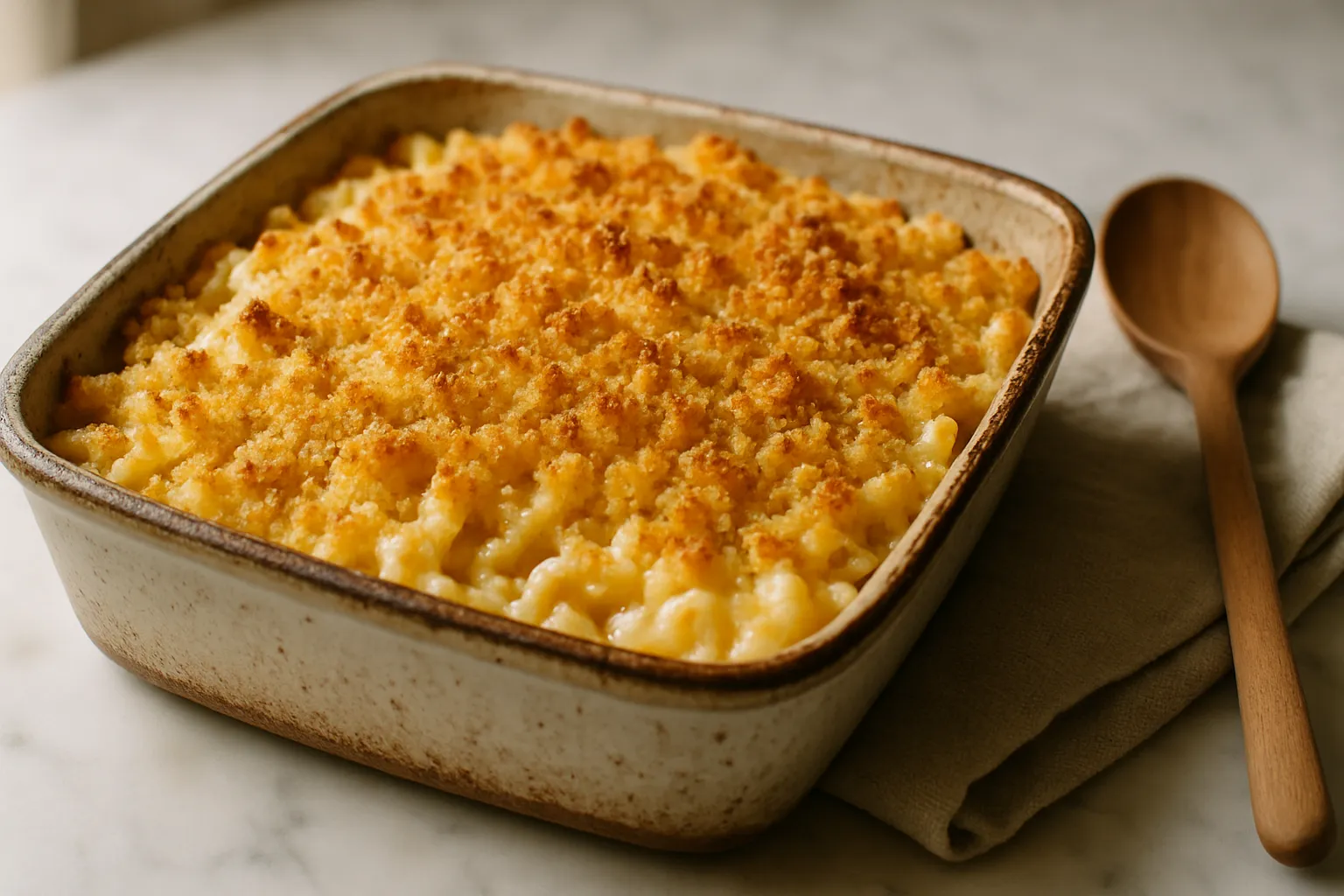
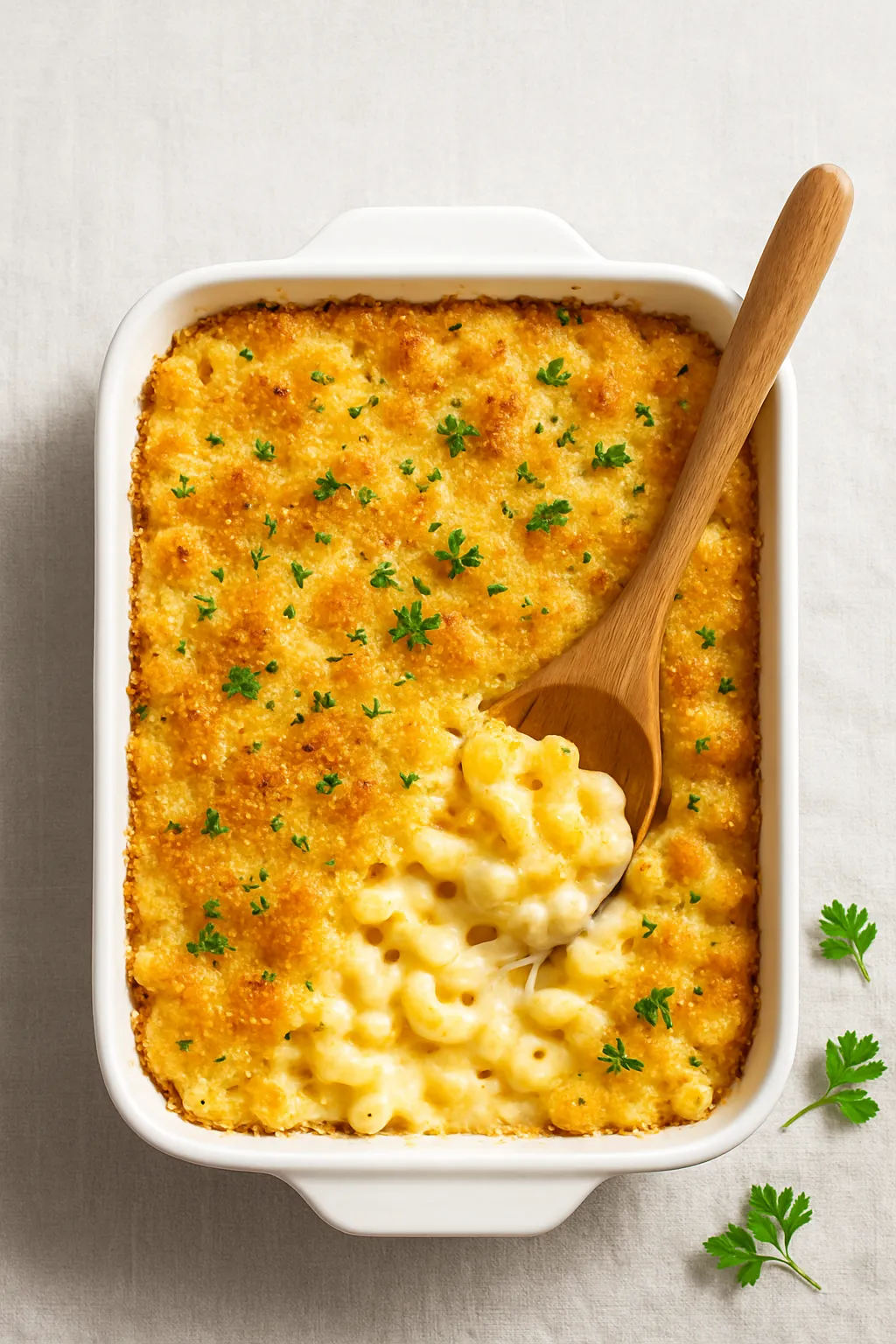
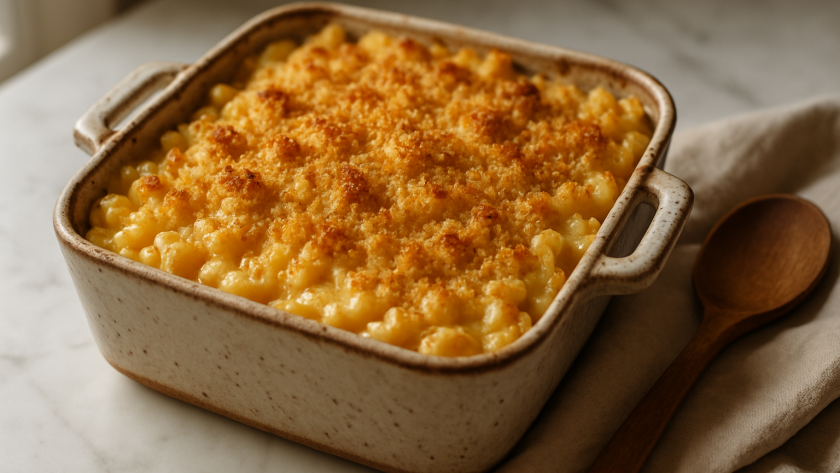
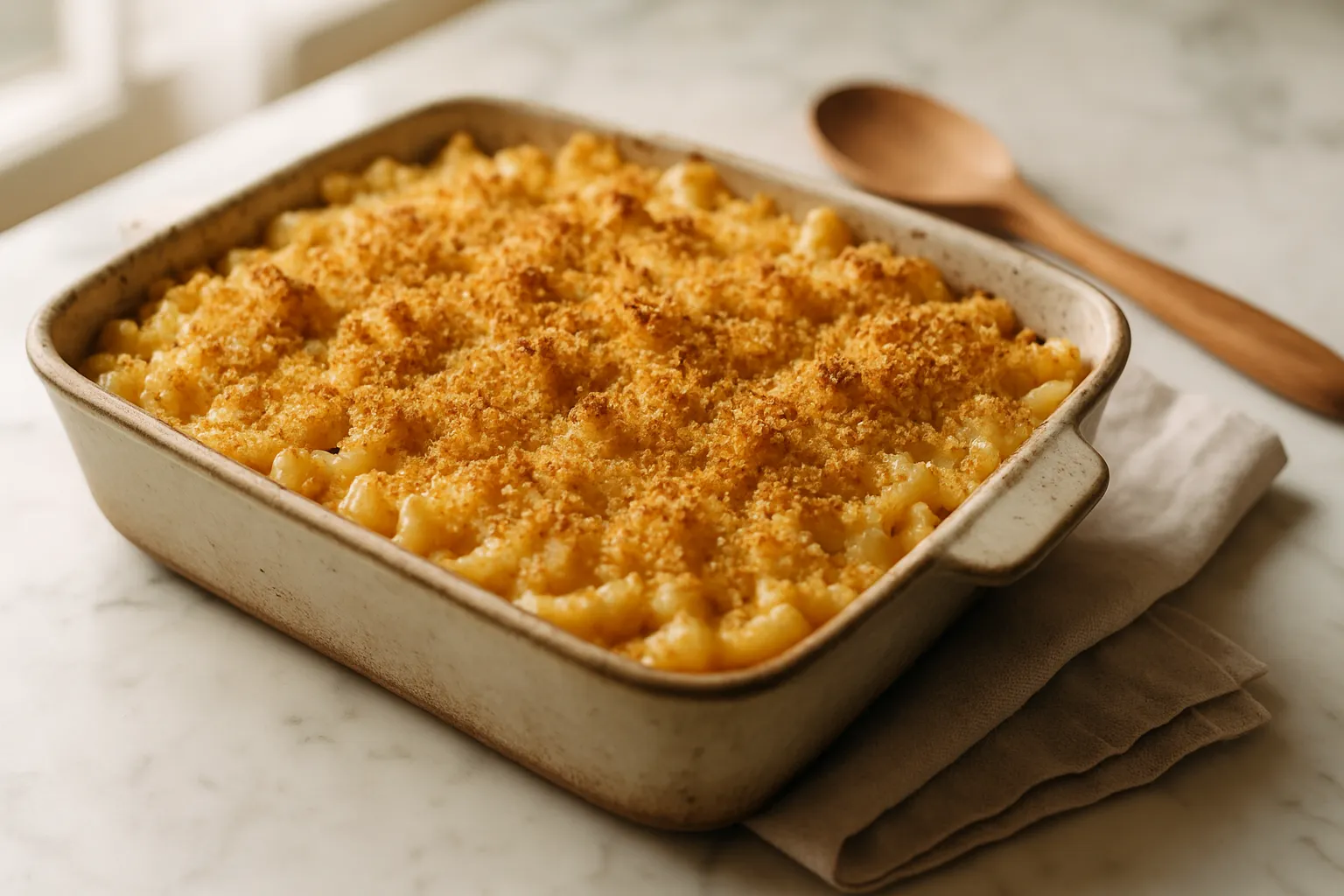
Baked mac and cheese is the ultimate comfort food that transforms a simple stovetop classic into something truly spectacular. The magic happens in the oven, where the creamy cheese sauce bubbles and melds with tender pasta while a golden, crispy breadcrumb topping forms on top—creating an irresistible contrast of textures that keeps everyone coming back for seconds.
What sets baked mac and cheese apart from its stovetop cousin is that gorgeous crust and the way the flavors deepen during baking. The cheese sauce becomes richer, the pasta absorbs every bit of creamy goodness, and that crunchy top layer adds the perfect finishing touch. Whether you're serving it at a holiday gathering, a potluck, or a cozy family dinner, this dish never fails to impress.
This recipe walks you through every step to achieve extra creamy, perfectly baked mac and cheese. You'll learn the best cheese combinations, how to make a silky roux-based sauce, and all the tips to avoid common pitfalls like dryness or graininess. Plus, we'll cover make-ahead and freezing instructions so you can enjoy this comfort classic anytime.
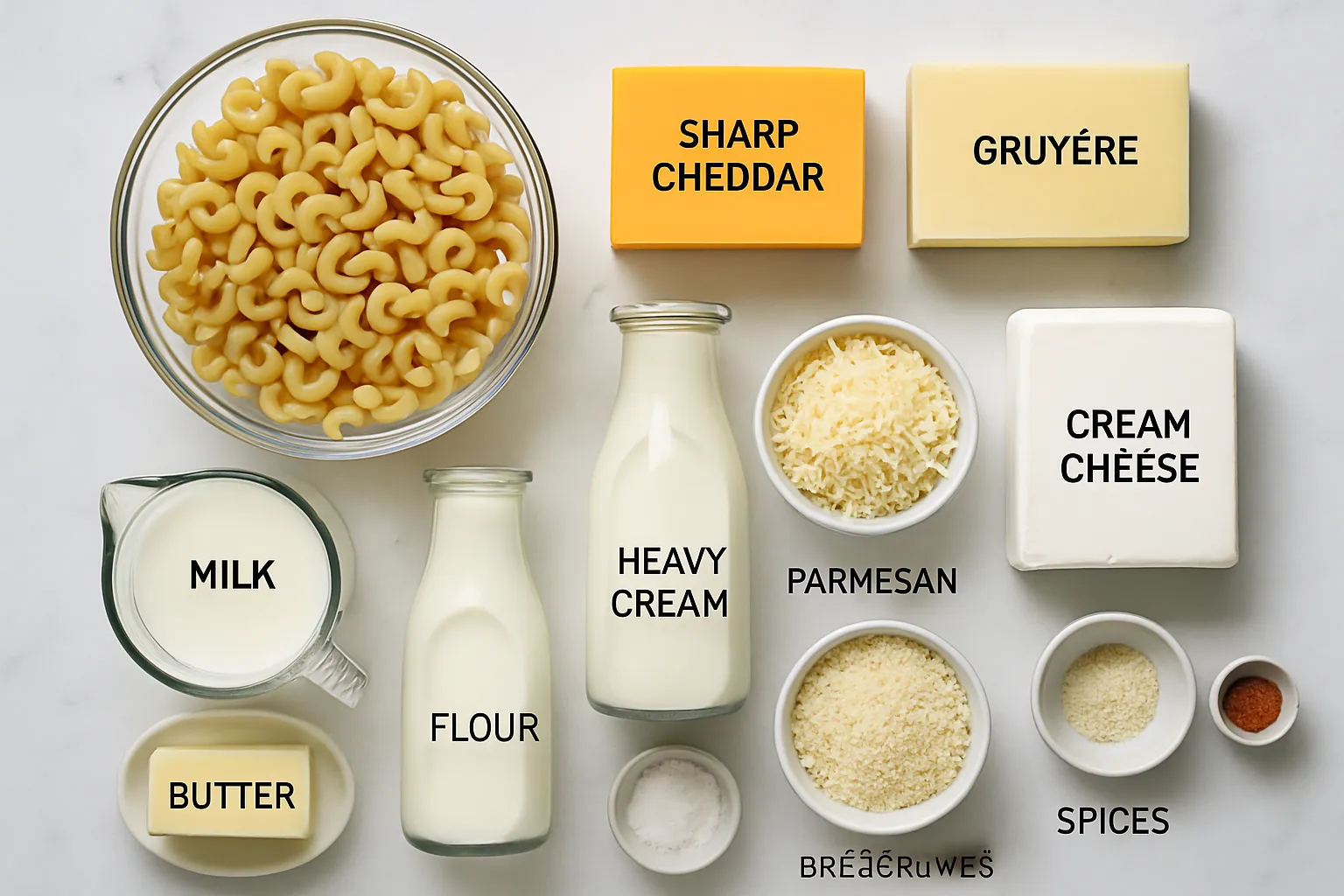
Ingredients
- 450g elbow macaroni or cavatappi or shells—shapes that hold sauce well
- 60g unsalted butter divided (45g for sauce, 15g for topping)
- 45g all-purpose flour for the roux
- 480ml whole milk room temperature preferred
- 240ml heavy cream for extra richness
- 300g sharp cheddar cheese freshly grated from block
- 150g gruyere cheese freshly grated; substitute with fontina if needed
- 115g cream cheese softened, for ultra-creamy texture
- to taste salt and black pepper plus a pinch of nutmeg optional
- 1 tsp garlic powder optional, for depth
- 80g panko breadcrumbs for crispy topping
- 30g grated Parmesan cheese mixed into breadcrumb topping
Instructions
- Preheat your oven to 180°C (350°F). Bring a large pot of salted water to a boil and cook the pasta until al dente, about 2 minutes less than package directions. Drain well and set aside. Do not rinse—the starch helps the sauce cling to the pasta.
- In a large saucepan or Dutch oven, melt 45g butter over medium heat. Whisk in the flour and cook for 1–2 minutes, stirring constantly, until the mixture is golden and fragrant but not browned. This roux is the foundation of your creamy sauce.
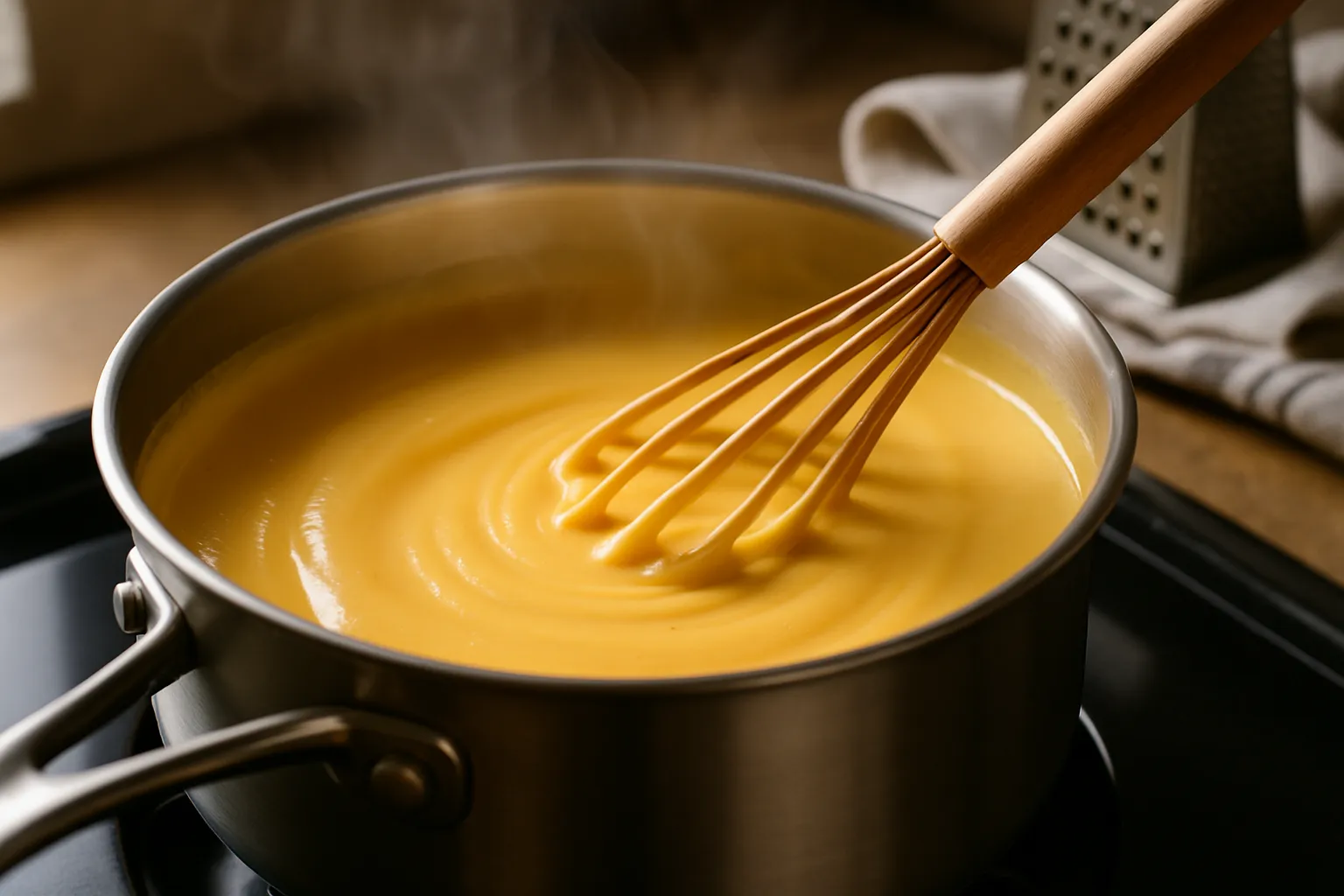
- Gradually whisk in the milk and cream, pouring slowly to avoid lumps. Continue whisking until the mixture is smooth and begins to thicken, about 5–7 minutes. Reduce heat to low and stir in the cream cheese until fully melted and incorporated.
- Remove the saucepan from heat and add the grated cheddar and gruyere cheeses in batches, stirring until completely melted and smooth. Season with salt, pepper, and garlic powder to taste. The sauce should be creamy and slightly loose—it will thicken during baking.
- Add the cooked pasta to the cheese sauce and stir gently until every piece is evenly coated. Transfer the mixture to a greased 23x33cm (9×13-inch) baking dish, spreading it out evenly.
- In a small bowl, melt the remaining 15g butter and toss with the panko breadcrumbs and Parmesan cheese. Sprinkle this mixture evenly over the top of the mac and cheese.
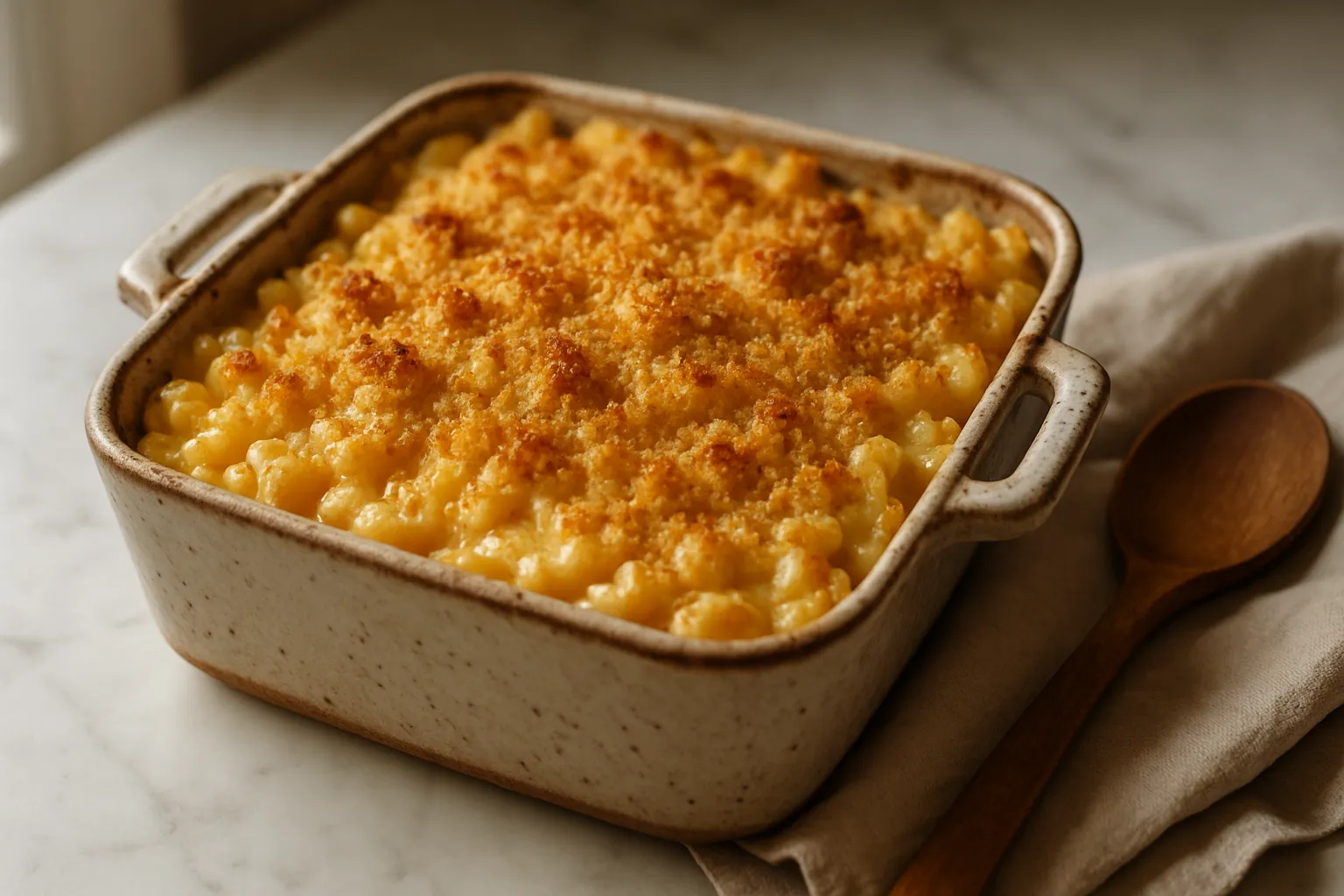
- Bake uncovered for 25–30 minutes, until the top is golden brown and crispy, and the sauce is bubbling around the edges. If the top browns too quickly, tent loosely with foil for the last 10 minutes.
- Remove from the oven and let rest for 5 minutes before serving. This allows the sauce to set slightly and makes serving easier. Enjoy your perfectly creamy, golden baked mac and cheese!
Chef’s Tips
- Always grate cheese from a block rather than using pre-shredded varieties. Pre-shredded cheese contains anti-caking agents that prevent smooth melting and can make your sauce grainy.
- Undercook your pasta by about 2 minutes before draining. It will continue cooking in the oven and absorb some of the sauce, resulting in perfectly tender pasta without mushiness.
- If your cheese sauce looks too thick, reserve a cup of pasta cooking water and stir in a few tablespoons at a time until you reach a slightly loose, pourable consistency. The sauce will thicken as it bakes.
- For an extra-crispy topping, broil the mac and cheese for the last 2–3 minutes of baking. Watch it closely to prevent burning.
- Let the dish rest for 5 minutes after baking. This resting period allows the sauce to thicken slightly and makes it much easier to serve neat portions.
Common Mistakes to Avoid
- Overcooking the pasta before baking leads to mushy, unappetizing texture. Always cook pasta 2 minutes less than al dente since it continues cooking in the oven.
- Using pre-shredded cheese creates a grainy, separated sauce because of added cellulose and starches. Invest a few extra minutes to grate your own cheese for silky-smooth results.
- Making the sauce too thick before baking results in dry, clumpy mac and cheese. The sauce should look almost too loose—it will absorb into the pasta and thicken perfectly during baking.
- Skipping the roux or rushing it causes a thin, watery sauce that won't coat the pasta properly. Take time to cook the flour and butter together for at least 1–2 minutes.
- Baking at too high a temperature burns the topping before the center heats through. Stick to 180°C (350°F) for even cooking and a perfectly golden crust.
Variations
- Bacon Mac and Cheese: Stir in 200g of crispy, crumbled bacon into the cheese sauce before baking. Top with extra bacon pieces for a smoky, savory twist.
- Lobster Mac and Cheese: Fold in 300g of cooked lobster meat for an elegant, restaurant-quality dish perfect for special occasions.
- Buffalo Chicken Mac and Cheese: Add 300g shredded rotisserie chicken tossed in buffalo sauce and top with crumbled blue cheese for a spicy kick.
- Veggie-Loaded Version: Stir in blanched broccoli florets, roasted cherry tomatoes, or sautéed mushrooms for added nutrition and flavor.
- Southern-Style Baked Mac: Beat 2 eggs with 180ml evaporated milk and fold into the cheese sauce for an extra-rich, custard-like texture that's a Southern classic.
Storage
Store leftover baked mac and cheese in an airtight container in the refrigerator for up to 4 days. Reheat individual portions in the microwave with a splash of milk to restore creaminess, or reheat the entire dish covered with foil in a 160°C (325°F) oven for 20–25 minutes. To freeze, assemble the mac and cheese but do not bake. Cover tightly with plastic wrap and foil, then freeze for up to 3 months. Thaw overnight in the refrigerator before baking as directed, adding 10–15 minutes to the baking time. You can also freeze baked mac and cheese; thaw and reheat covered in the oven.
Frequently Asked Questions
Should I cover mac and cheese when baking?
No, bake mac and cheese uncovered to allow the top to become golden and crispy. If the topping browns too quickly before the center is heated through, tent it loosely with foil for the last 10 minutes of baking.
What are the best cheeses for baked mac and cheese?
Sharp cheddar provides classic flavor and good melting properties, while gruyere or fontina add nutty depth and creaminess. Cream cheese makes the sauce ultra-smooth. Avoid using only mild cheeses, as they lack the flavor punch needed for a memorable dish.
Can I make baked mac and cheese ahead of time?
Yes! Assemble the entire dish up to 24 hours in advance, cover tightly, and refrigerate. When ready to bake, let it sit at room temperature for 30 minutes, then bake as directed, adding 5–10 extra minutes if needed. You can also freeze it unbaked for up to 3 months.
What is the difference between mac and cheese and baked mac and cheese?
Stovetop mac and cheese is creamier and softer throughout, while baked mac and cheese has a crispy, golden breadcrumb topping and a slightly firmer texture. Baking also deepens the flavors and creates appealing textural contrast between the crunchy top and creamy interior.
How do you keep baked mac and cheese creamy?
Use a combination of milk and cream, add cream cheese for extra richness, and make sure your sauce is slightly loose before baking—it will thicken in the oven. Undercook the pasta by 2 minutes and avoid overbaking, which dries out the dish.
Why is my baked mac and cheese dry?
Dry mac and cheese usually results from too little sauce, overbaking, or using a too-hot oven. Make sure your sauce is generous and slightly loose before baking, bake at 180°C (350°F), and cover with foil if it's drying out. Adding a splash of milk or cream before reheating leftovers also helps.