 admin
admin 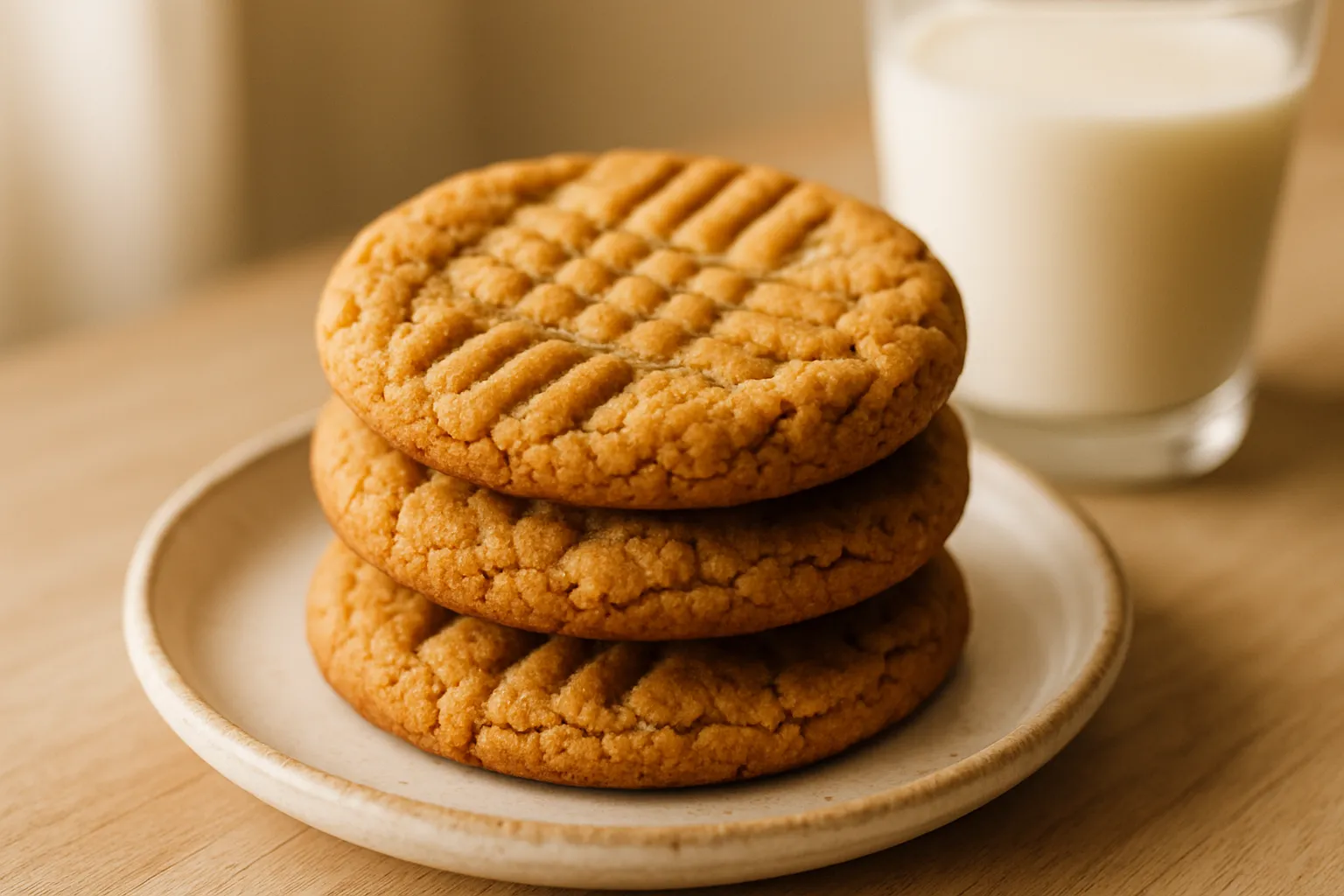
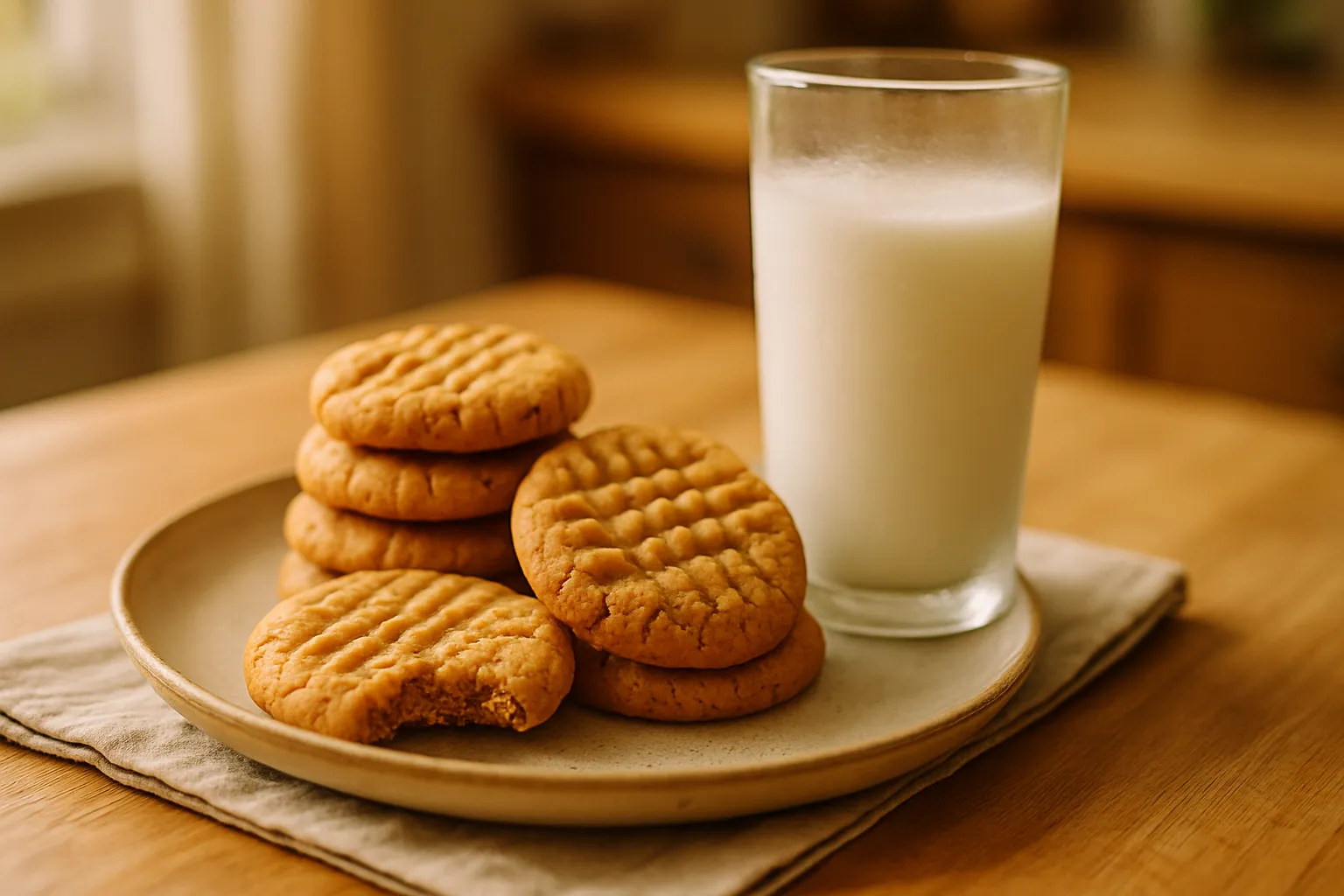
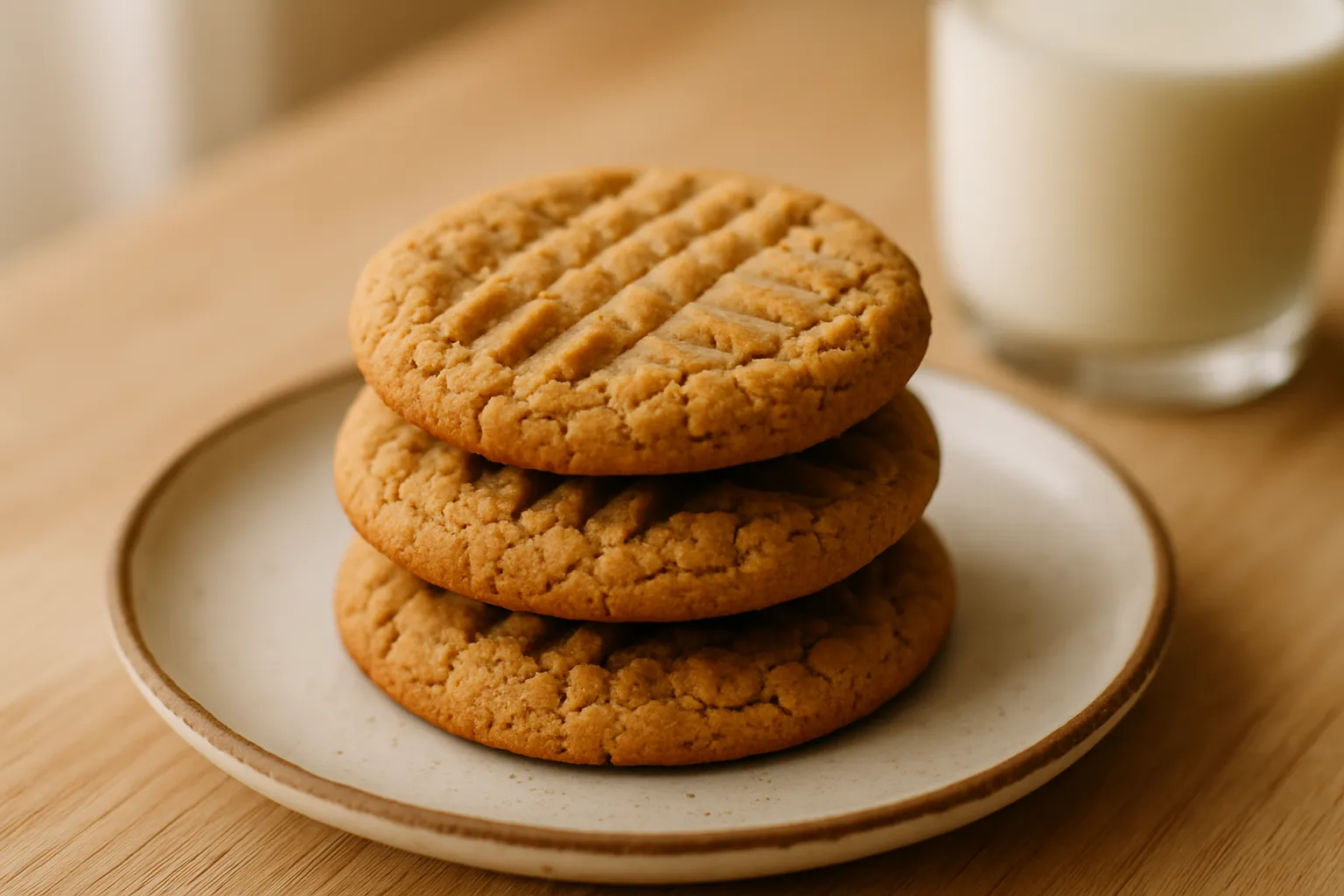
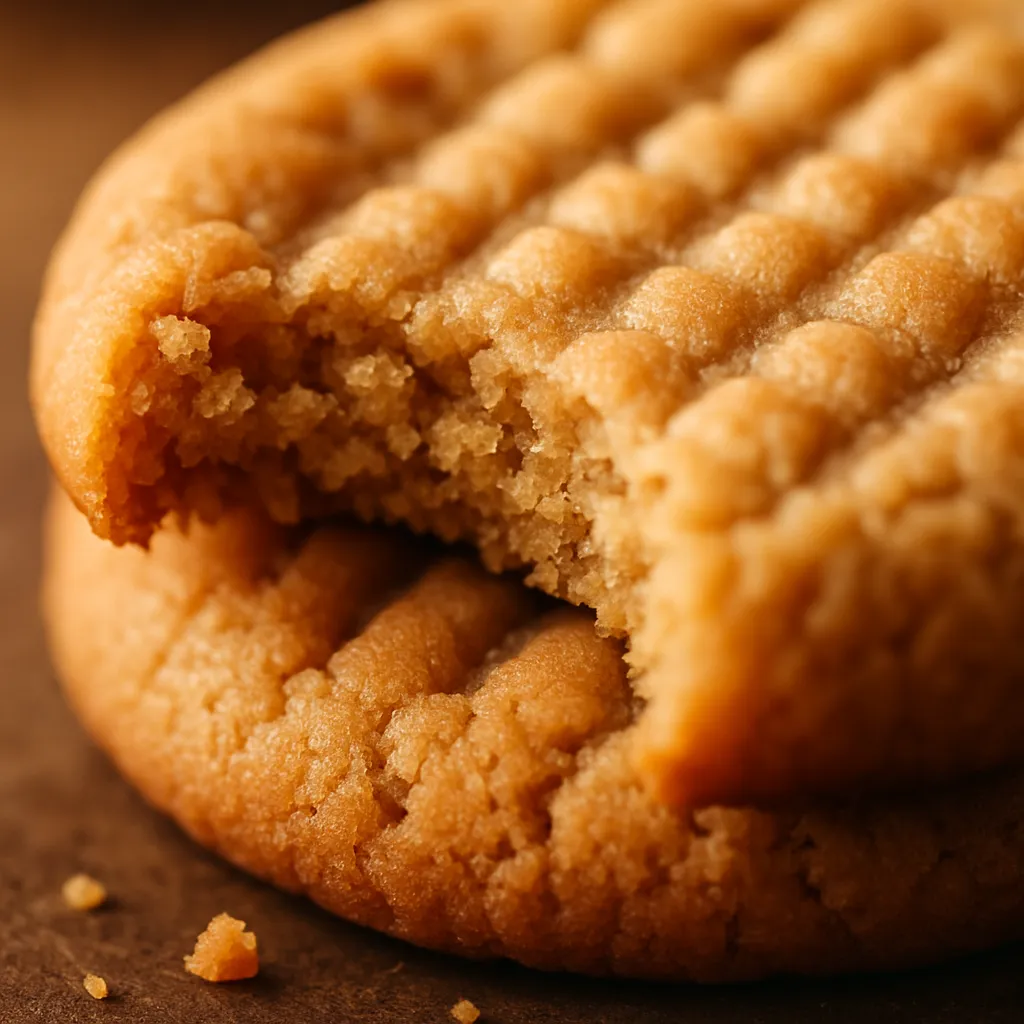
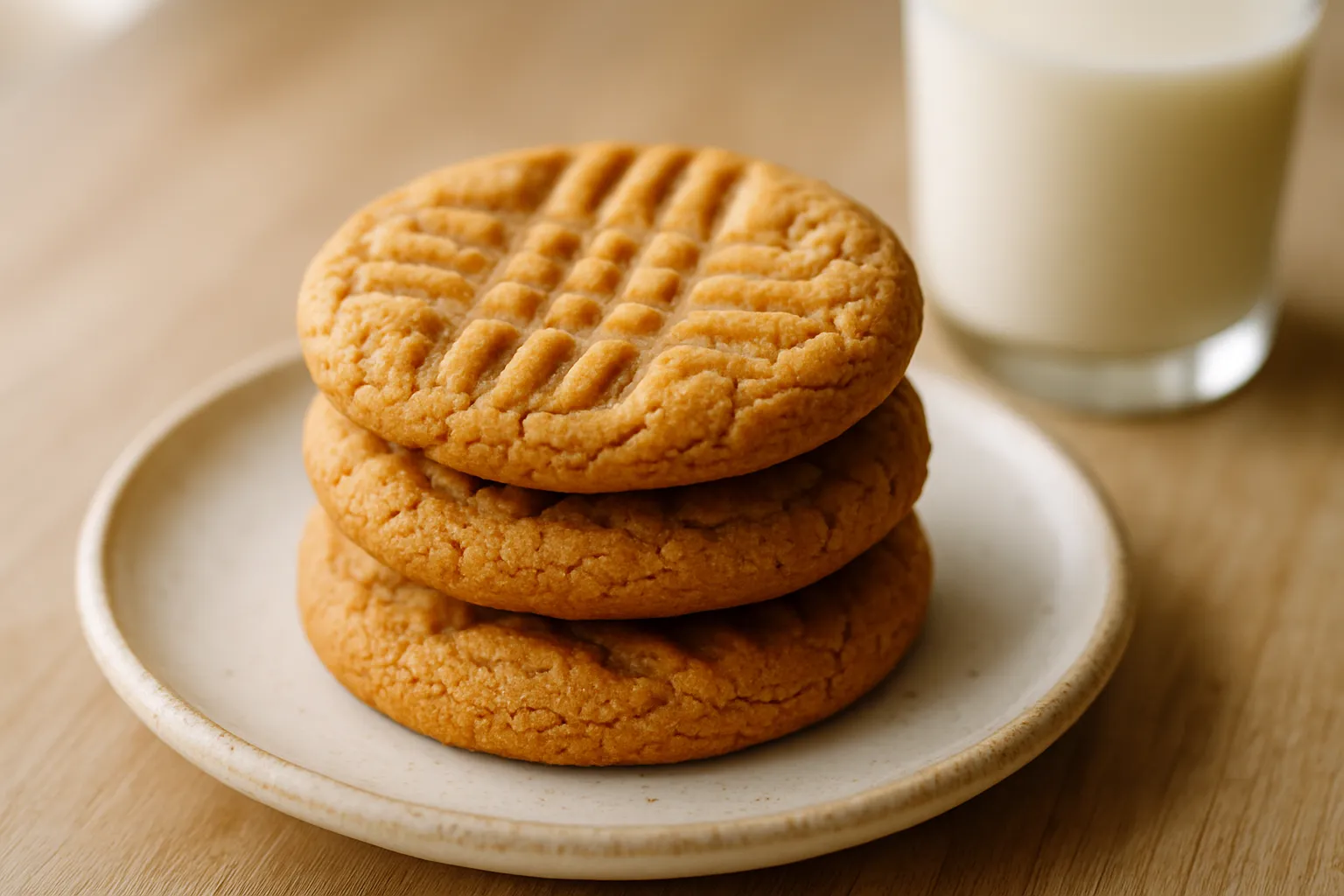
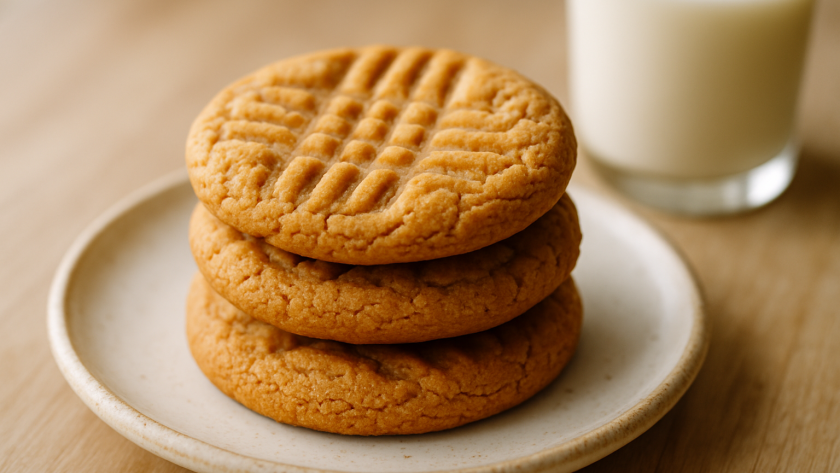
Few cookies are as universally beloved as peanut butter cookies. With their signature fork crosshatch pattern, rich nutty flavor, and irresistible texture—soft and tender in the center with slightly crispy edges—these classic treats have earned their place in kitchens around the world.
The beauty of peanut butter cookies lies in their simplicity. Made with pantry staples and requiring minimal technique, they're perfect for both novice bakers and experienced home cooks. Whether you're craving a quick 3-ingredient version or want to explore variations with chocolate chips or gluten-free alternatives, this recipe delivers bakery-quality results every time.
In this comprehensive guide, you'll learn the secrets to achieving perfect texture, discover ingredient substitutions suitable for Italian pantries, and master troubleshooting techniques to avoid common pitfalls. Let's bake cookies that will become your new go-to favorite.
Ingredients
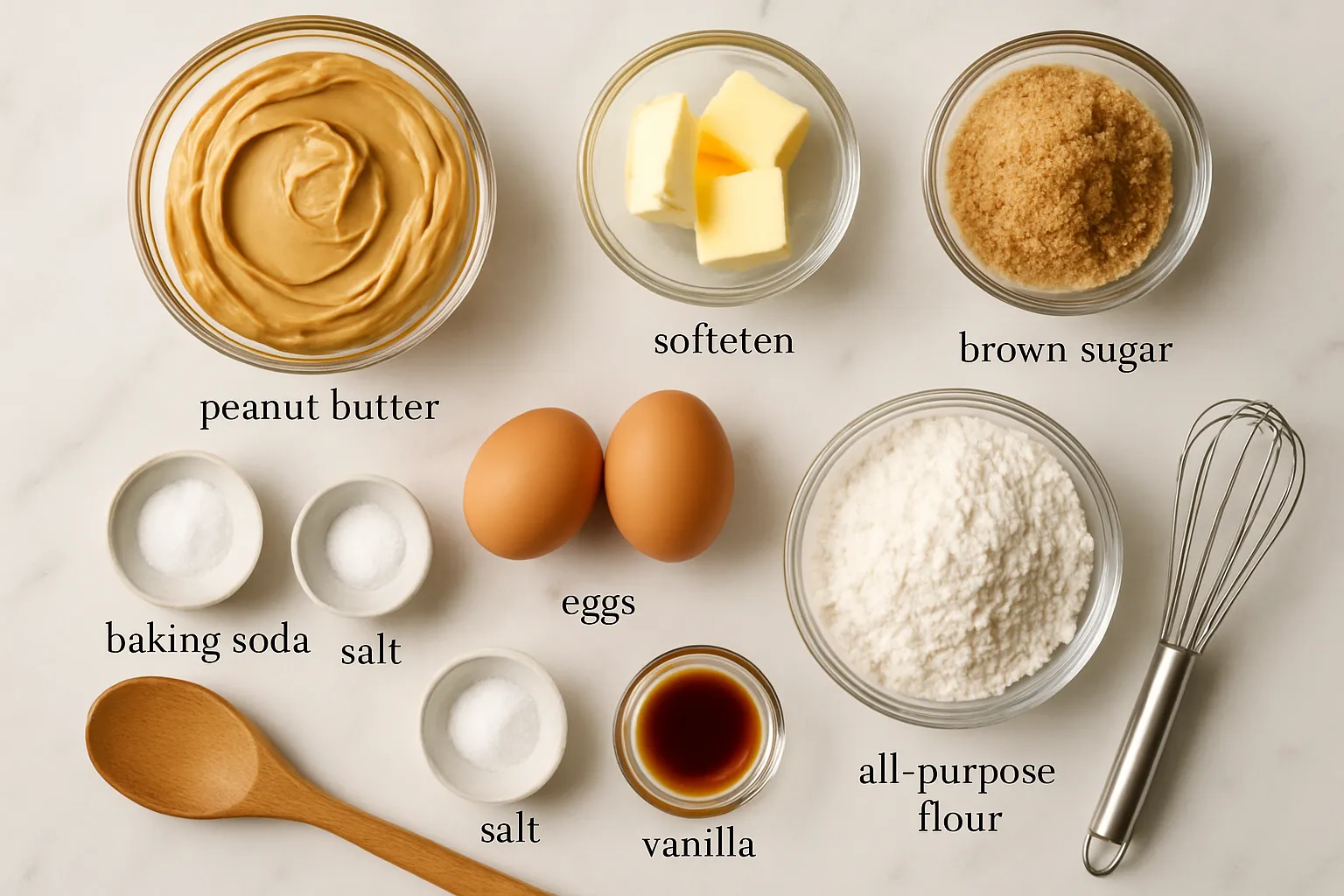
- 115g (½ cup) Unsalted butter softened to room temperature
- 250g (1 cup) Creamy peanut butter not natural or oil-separated varieties
- 100g (½ cup) Granulated sugar
- 110g (½ cup, packed) Light brown sugar
- 2 Large eggs at room temperature
- 190g (1½ cups) All-purpose flour
- 1 teaspoon Baking soda ensure it's fresh for proper lift
- ½ teaspoon Salt
- 1 teaspoon Vanilla extract optional but recommended
Instructions
- In a large mixing bowl, cream together the softened butter, granulated sugar, and brown sugar using an electric mixer on medium speed for 3-4 minutes until light and fluffy. This step incorporates air for a tender texture.
- Add the peanut butter, eggs, and vanilla extract to the butter mixture. Beat on medium speed until thoroughly combined and smooth, scraping down the sides of the bowl as needed.
- In a separate bowl, whisk together the flour, baking soda, and salt. Gradually add the dry ingredients to the wet ingredients, mixing on low speed just until combined. Do not overmix.
- Cover the dough and refrigerate for 30 minutes. This chilling step is crucial to prevent excessive spreading and helps the cookies maintain their shape during baking.
- Preheat your oven to 175°C (350°F). Line two baking sheets with parchment paper. Roll the chilled dough into balls about 3cm in diameter and place them 5cm apart on the prepared sheets.
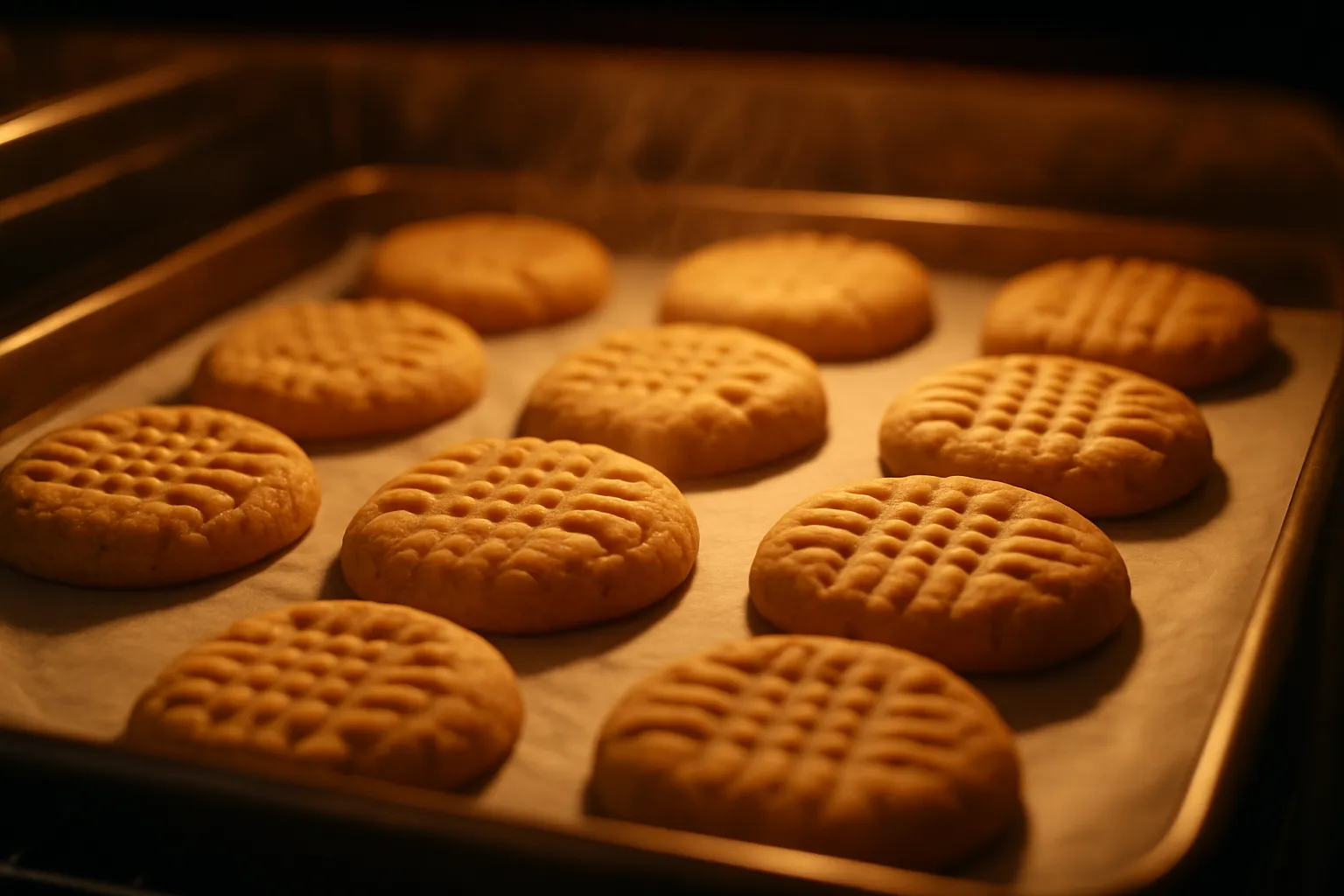
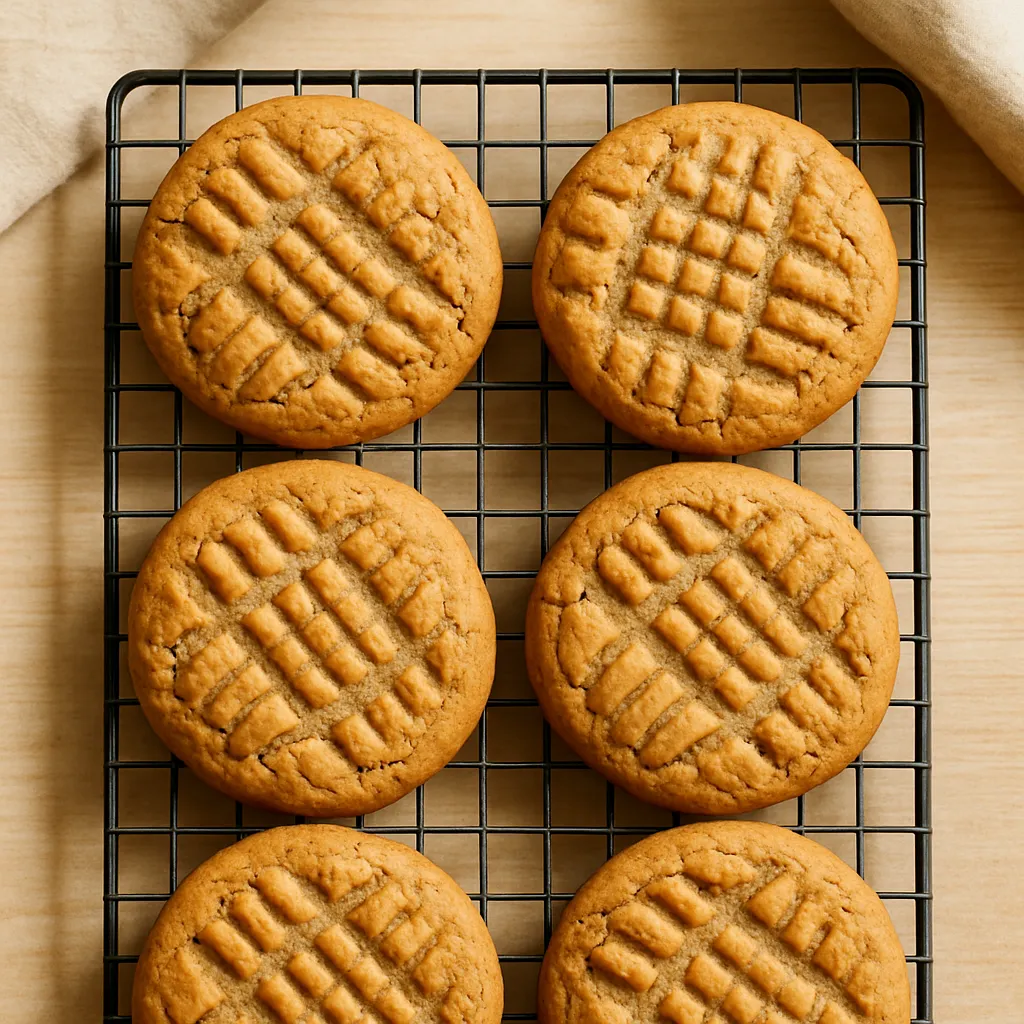
- Using a fork dipped in flour, press down on each dough ball to create a crosshatch pattern, flattening them to about 1cm thickness. This traditional pattern helps the cookies bake evenly.
- Bake for 10-12 minutes until the edges are lightly golden but the centers still look slightly underbaked. The cookies will continue to set as they cool.
- Allow the cookies to cool on the baking sheet for 5 minutes before transferring to a wire rack to cool completely. This cooling process ensures the perfect soft center with crispy edges.
Chef’s Tips
- Use conventional creamy peanut butter (like Skippy or Jif) rather than natural varieties. Natural peanut butter has too much oil separation and can make cookies greasy and flat.
- Don't skip the chilling step—30 minutes in the refrigerator prevents the cookies from spreading too thin and helps develop deeper flavor.
- For extra-soft cookies, slightly underbake them. They should look barely set in the center when you remove them from the oven.
- Dip your fork in flour or sugar before making the crosshatch pattern to prevent sticking and create cleaner lines.
- Measure flour correctly by spooning it into the measuring cup and leveling off, rather than scooping directly from the bag, which can compact the flour and lead to dry cookies.
Common Mistakes to Avoid
- Using natural peanut butter: The oil separation in natural varieties causes cookies to spread excessively and become greasy. Stick with conventional creamy peanut butter for best results.
- Skipping the dough chilling step: Warm dough spreads too quickly in the oven, resulting in flat, thin cookies. Always refrigerate for at least 30 minutes.
- Overbaking: Peanut butter cookies continue to cook on the hot baking sheet after removal from the oven. Take them out when edges are set but centers still look slightly soft.
- Overmixing the dough: Once you add the flour, mix just until combined. Overmixing develops gluten and creates tough, dense cookies.
- Using expired baking soda: Old baking soda loses its leavening power, resulting in cookies that don't spread properly and have a dense texture. Check the expiration date.
Variations
- 3-Ingredient Peanut Butter Cookies: Mix 250g peanut butter, 200g sugar, and 1 egg. Roll into balls, create fork pattern, and bake at 175°C for 10 minutes. Perfect for a quick, flourless treat.
- Chocolate Chip Peanut Butter Cookies: Fold 150g chocolate chips into the dough after mixing. The combination of chocolate and peanut butter is irresistible.
- Gluten-Free Peanut Butter Cookies: Replace all-purpose flour with 190g gluten-free flour blend (1:1 ratio) or almond flour. Add 1 extra tablespoon of peanut butter if using almond flour for moisture.
- Vegan Peanut Butter Cookies: Replace butter with 115g coconut oil and eggs with 2 flax eggs (2 tablespoons ground flaxseed mixed with 6 tablespoons water, let sit 5 minutes). Use dairy-free chocolate chips if adding.
- Crunchy Peanut Butter Cookies: Substitute crunchy peanut butter for creamy to add extra texture and nutty bits throughout the cookies.
Storage
Store cooled peanut butter cookies in an airtight container at room temperature for 5-7 days. Place parchment paper between layers to prevent sticking. For longer storage, freeze baked cookies in a freezer-safe container or bag for up to 3 months. Thaw at room temperature for 30 minutes before serving. You can also freeze unbaked dough balls on a baking sheet until solid, then transfer to a freezer bag for up to 3 months. Bake from frozen, adding 1-2 extra minutes to the baking time—perfect for fresh cookies anytime.
Frequently Asked Questions
Can I make peanut butter cookies without eggs?
Yes! For an egg-free version, use flax eggs (1 tablespoon ground flaxseed mixed with 3 tablespoons water per egg, let sit 5 minutes) or try the 3-ingredient recipe with just peanut butter, sugar, and one egg. You can also substitute each egg with 60g unsweetened applesauce.
Why are my peanut butter cookies dry and crumbly?
Dry cookies usually result from overbaking or too much flour. Remove cookies when centers still look slightly underbaked, and measure flour by spooning and leveling rather than scooping. Adding an extra tablespoon of butter or peanut butter can also help.
Do I need to refrigerate peanut butter cookie dough?
While not absolutely required, chilling the dough for 30 minutes is highly recommended. It prevents excessive spreading, helps cookies maintain their shape, and develops better flavor. If you're short on time, even 15 minutes helps.
Can I freeze peanut butter cookie dough?
Absolutely! Roll dough into balls, freeze on a baking sheet until solid, then transfer to a freezer bag for up to 3 months. Bake directly from frozen at 175°C for 12-14 minutes—no thawing needed.
Can I use natural peanut butter for cookies?
Natural peanut butter is not recommended for this recipe. The oil separation causes cookies to spread excessively and become greasy. Use conventional creamy peanut butter (like Skippy or Jif) for best texture and results.
Why do peanut butter cookies have fork marks?
The traditional crosshatch pattern serves two purposes: it flattens the dense dough so cookies bake evenly throughout, and it creates the iconic appearance that identifies peanut butter cookies. It's both functional and decorative.