 admin
admin 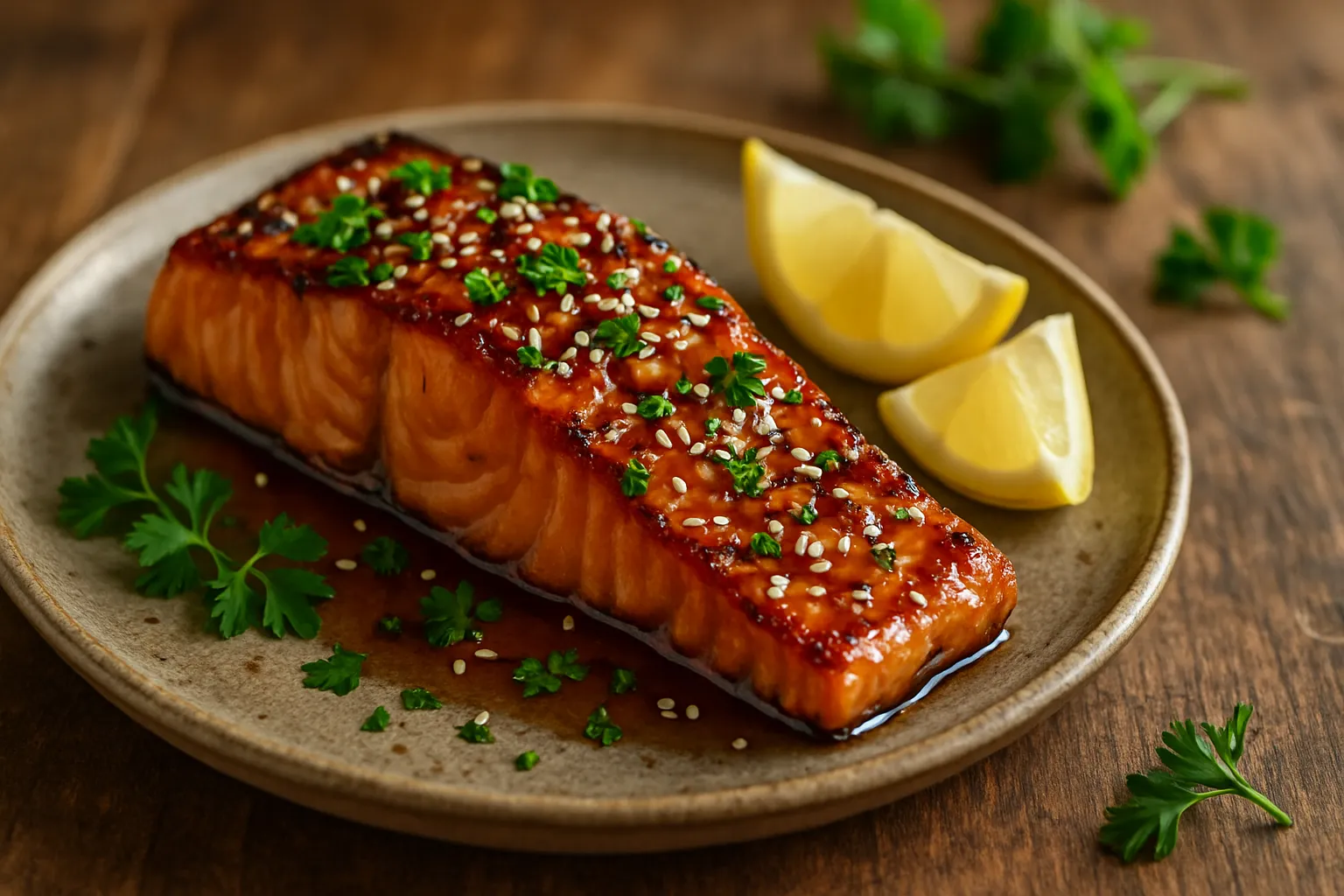
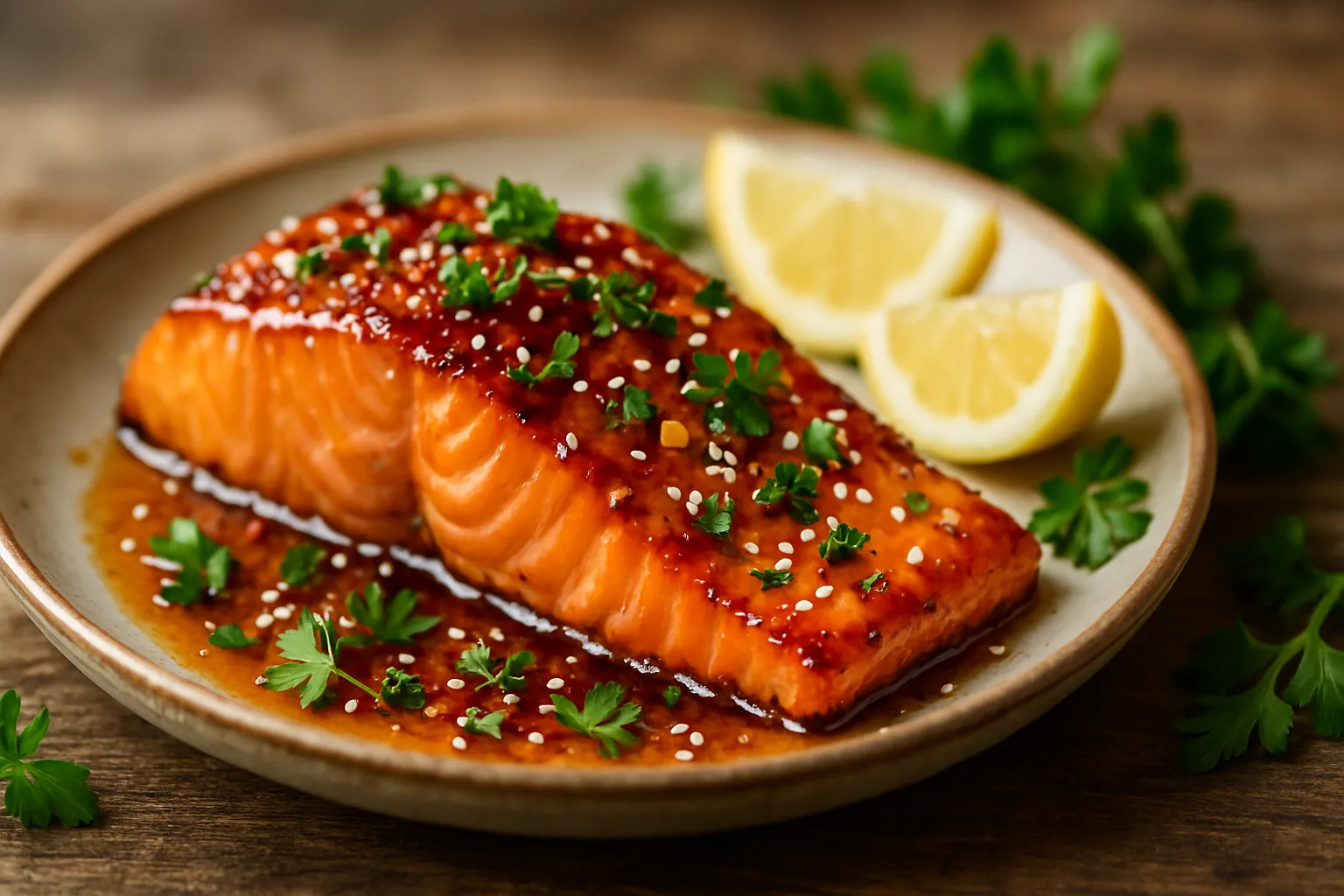
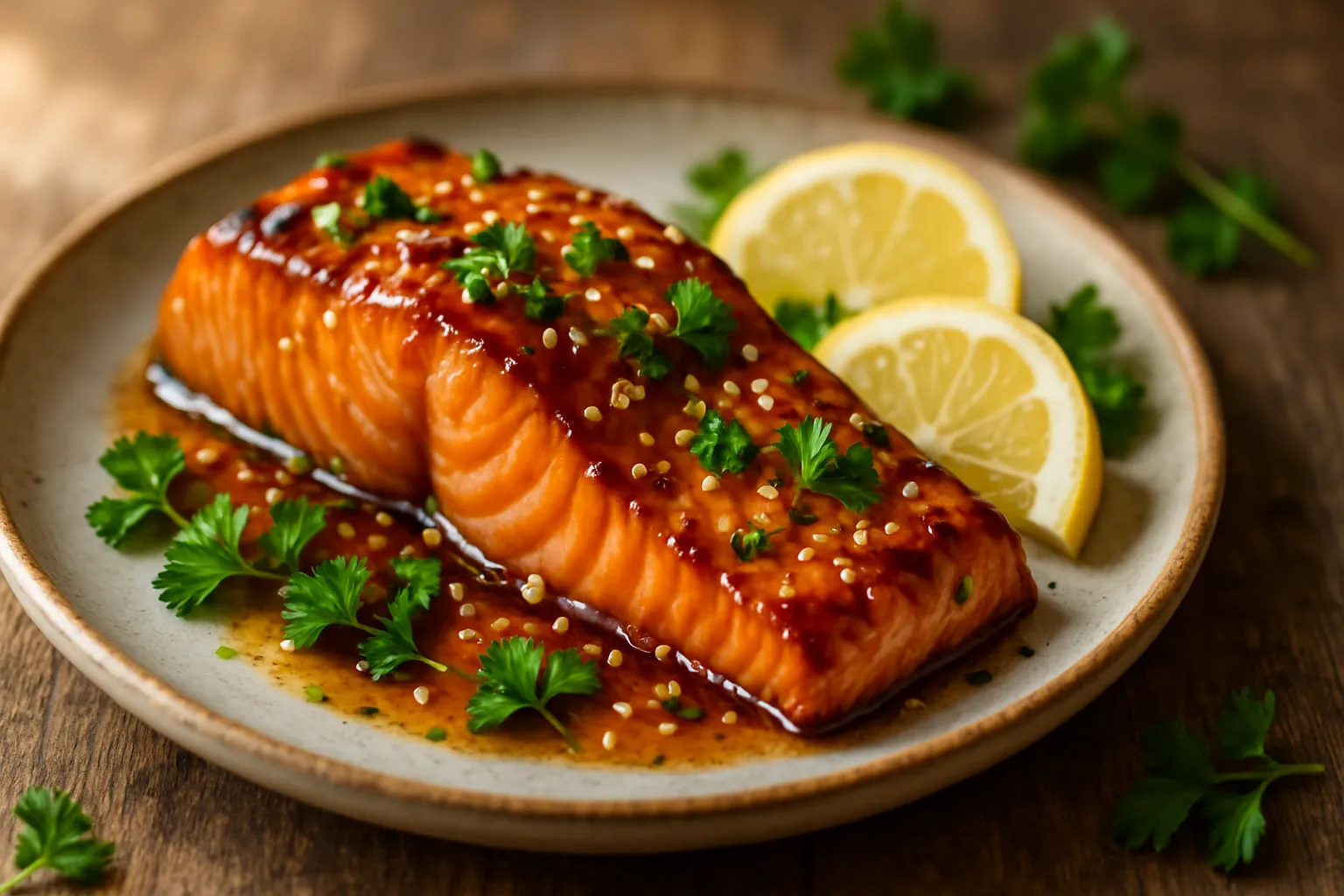
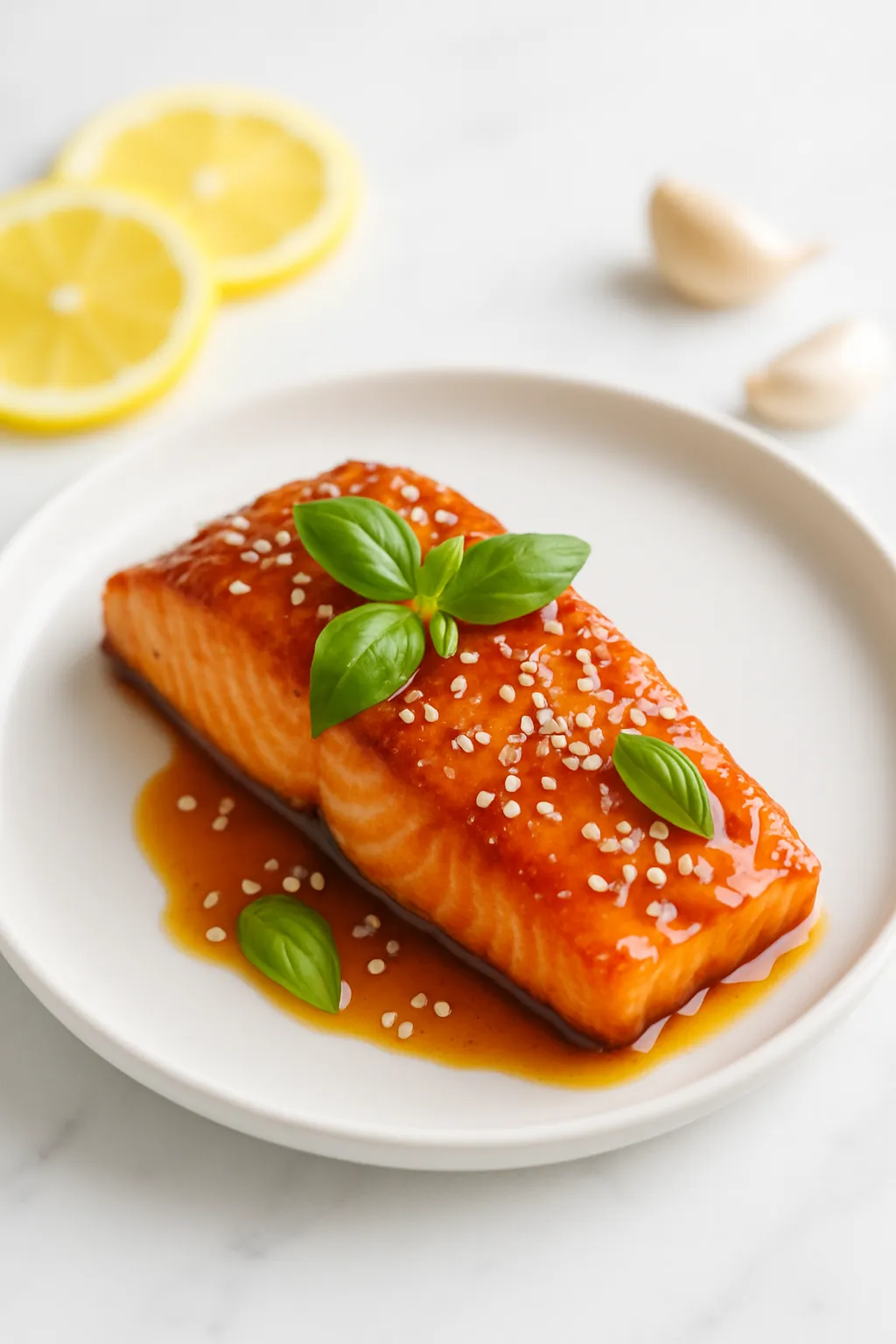
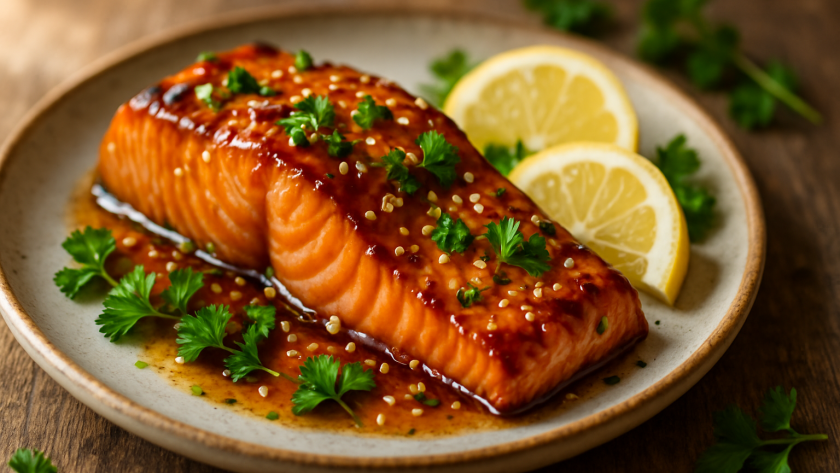
Honey Garlic Salmon is the ultimate weeknight dinner that feels like a restaurant treat. The glaze strikes a perfect balance between sweet Italian honey and savory garlic, creating a caramelized coating that transforms simple salmon fillets into something truly irresistible. Best of all, this recipe comes together in just 20 minutes from start to finish.
Rich in omega-3 fatty acids and high-quality protein, this dish is as nutritious as it is delicious. Whether you're cooking for your family or hosting friends, honey garlic salmon delivers impressive flavor with minimal effort. The recipe is naturally gluten-free (when using tamari) and adapts beautifully to multiple cooking methods—oven, stovetop, air fryer, or grill.
In Italy, where fresh fish meets quality ingredients, this recipe shines when paired with local acacia or chestnut honey and served alongside creamy polenta, saffron risotto, or a crisp green salad. Let's dive into what makes this honey garlic salmon so special and how you can master it at home.
Ingredients
- 4 (150-180g each) salmon fillets skin-on or skinless, fresh or properly thawed
- 4 tablespoons honey Italian acacia or chestnut honey preferred
- 4 garlic cloves minced
- 3 tablespoons soy sauce or tamari for gluten-free
- 2 tablespoons fresh lemon juice about 1 lemon
- 1 tablespoon olive oil for cooking
- to taste salt and black pepper for seasoning salmon
- 1 teaspoon fresh ginger grated, optional
- ¼ teaspoon red pepper flakes optional, for heat
- 1 tablespoon sesame seeds optional, for garnish
- 2 tablespoons fresh parsley or basil chopped, for garnish
Instructions
- Prepare the honey garlic glaze by whisking together honey, minced garlic, soy sauce (or tamari), lemon juice, and optional ginger in a small bowl. Set aside.
- Pat the salmon fillets completely dry with paper towels. Season both sides with salt and black pepper. This ensures a good sear and prevents sticking.
- For pan-seared method: Heat olive oil in a large skillet over medium-high heat. Once hot, place salmon skin-side down (if using skin-on) and cook for 4-5 minutes without moving until skin is crispy and golden.
- Flip the salmon carefully and cook for another 3-4 minutes. During the final 3 minutes of cooking, brush the honey garlic glaze generously over the salmon, allowing it to caramelize without burning.
- Check for doneness: salmon should reach an internal temperature of 63°C and flake easily with a fork. The flesh should be opaque with a slightly translucent center for medium doneness.
- Remove from heat and let the salmon rest for 2-3 minutes. This allows the juices to redistribute for maximum tenderness.
- Drizzle any remaining glaze over the salmon, garnish with sesame seeds and fresh herbs, and serve immediately with your choice of sides.
Chef’s Tips
- Always pat salmon completely dry before cooking—moisture is the enemy of a good sear and causes sticking.
- Add the honey garlic glaze only in the final 3-4 minutes of cooking to prevent burning. Honey caramelizes quickly at high heat.
- For oven method, bake at 200°C for 12-15 minutes, brushing with glaze halfway through for even coating.
- Use a fish spatula for flipping—its thin, flexible edge slides under delicate salmon without breaking the fillet.
- Let salmon come to room temperature for 10-15 minutes before cooking for more even results.
Common Mistakes to Avoid
- Overcooking the salmon: It should reach 63°C internal temperature. Overcooked salmon becomes dry and loses its tender, flaky texture.
- Adding glaze too early: Honey burns easily. Always add the glaze in the final 3-4 minutes of cooking to achieve caramelization without charring.
- Not drying the salmon: Wet salmon will steam instead of sear, preventing that golden crust and causing it to stick to the pan.
- Using a cold pan: Ensure your skillet is properly preheated before adding salmon to get a beautiful sear and prevent sticking.
- Not thawing frozen salmon completely: Partially frozen salmon cooks unevenly. Always thaw in the refrigerator overnight and pat very dry.
Variations
- Asian-inspired: Add 1 teaspoon sesame oil and 1 tablespoon rice vinegar to the glaze, garnish with sliced green onions and extra sesame seeds.
- Spicy honey garlic: Increase red pepper flakes to ½-1 teaspoon or add a drizzle of sriracha to the glaze for heat.
- Citrus twist: Replace lemon juice with orange juice and add orange zest for a sweeter, more aromatic glaze.
- Herb-crusted: After glazing, sprinkle salmon with chopped fresh thyme, rosemary, or Italian parsley for an herby finish.
- Balsamic honey salmon: Add 1 tablespoon balsamic vinegar to the glaze for an Italian-inspired tangy-sweet variation.
Storage
Store cooked honey garlic salmon in an airtight container in the refrigerator for up to 3 days. To reheat, warm gently in a 150°C oven for 8-10 minutes or microwave on 50% power to prevent drying out. For meal prep, you can marinate raw salmon in the glaze for up to 30 minutes before cooking for deeper flavor. The honey garlic glaze can be made in advance and stored separately in the refrigerator for up to 1 week.
Frequently Asked Questions
How long does honey garlic salmon take to cook?
Honey garlic salmon takes 8-10 minutes total when pan-seared (4-5 minutes per side), 12-15 minutes when baked at 200°C, and about 10 minutes in an air fryer at 190°C. Always cook to an internal temperature of 63°C.
Can I use frozen salmon for this recipe?
Yes, but you must thaw it completely first. Thaw frozen salmon in the refrigerator overnight, then pat it very dry with paper towels before cooking. Partially frozen salmon will cook unevenly and release excess moisture.
Is honey garlic salmon gluten-free?
It can be! Simply substitute regular soy sauce with tamari or coconut aminos. The rest of the ingredients—honey, garlic, lemon juice, and salmon—are naturally gluten-free.
What side dishes pair best with honey garlic salmon?
Classic pairings include steamed rice, quinoa, roasted vegetables, or a fresh green salad. For an Italian twist, try creamy polenta, saffron risotto, herb-roasted potatoes, or grilled asparagus with lemon.
Can I make this recipe without soy sauce?
Absolutely. Replace soy sauce with coconut aminos for a soy-free option, or use Worcestershire sauce (check for gluten if needed). You can also add a pinch of salt and a splash of balsamic vinegar for depth.
What temperature should salmon be cooked to?
Salmon is perfectly cooked at an internal temperature of 63°C (145°F). At this temperature, it will be opaque, flake easily, and remain moist. Some prefer it slightly less done at 60°C for a more tender, translucent center.