 admin
admin 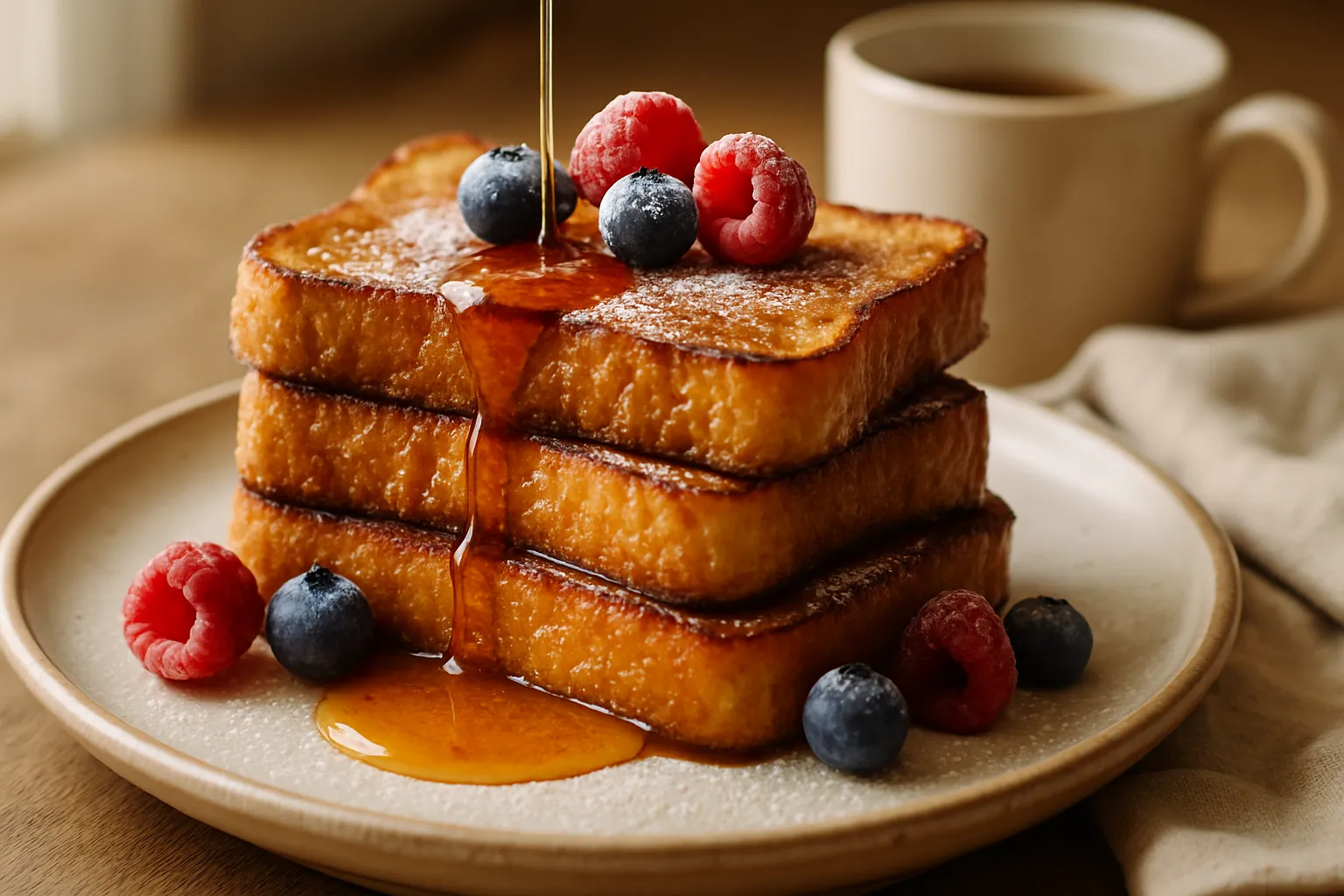
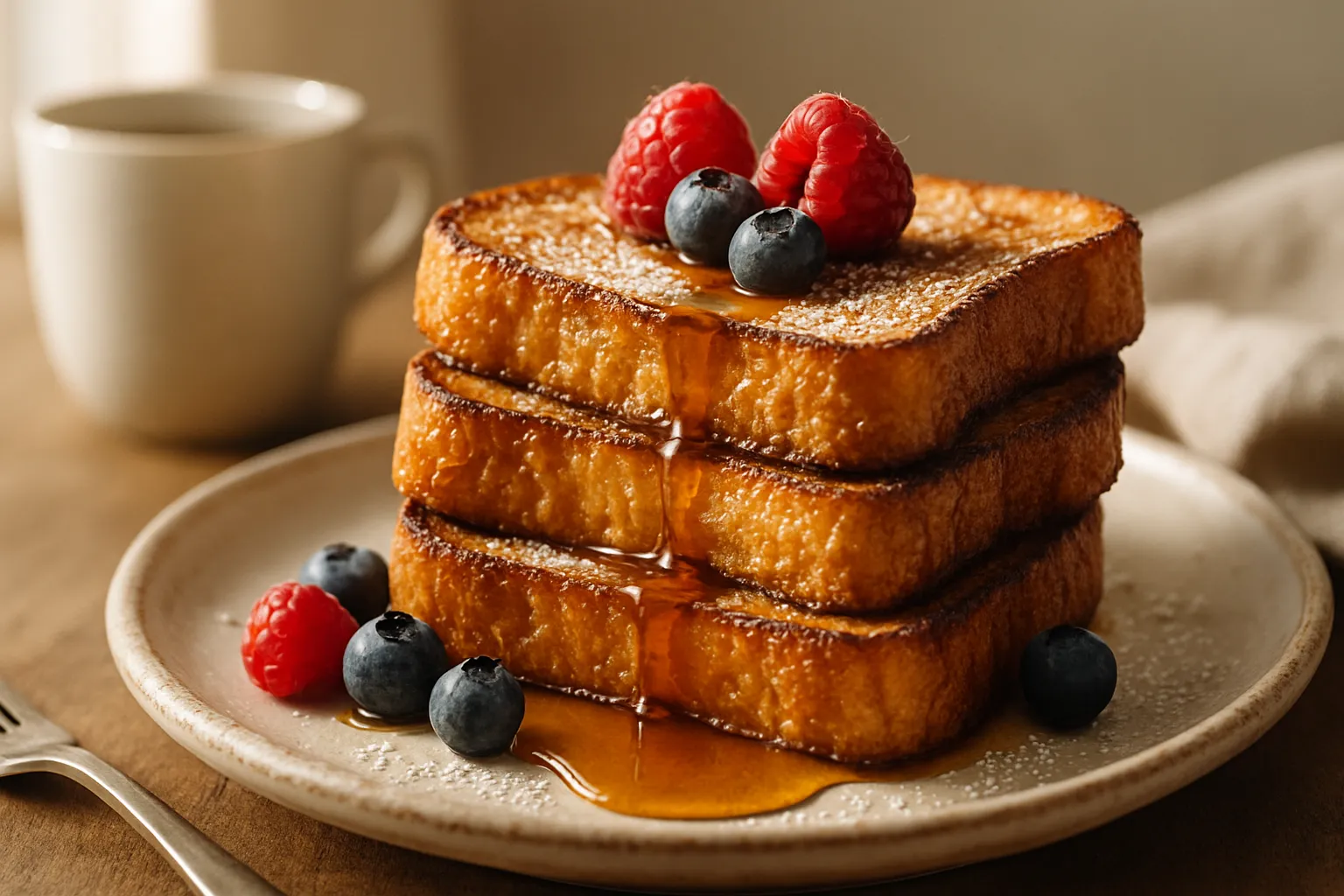
Classic French Toast is the ultimate comfort breakfast—golden-brown on the outside, soft and custardy on the inside, with just the right balance of sweetness and warmth from vanilla and cinnamon. Whether you call it French toast or pain perdu ("lost bread"), this timeless recipe transforms simple ingredients into something truly special.
The secret to perfect French toast lies in choosing the right bread, creating a well-balanced egg mixture, and mastering the cooking technique. With thick-cut slices that soak up just enough custard and a patient hand at the stove, you'll achieve that coveted contrast between crispy edges and a tender, flavorful center.
This recipe walks you through every step, from selecting between brioche, challah, or classic white bread to troubleshooting common pitfalls like sogginess or burning. Whether you're making a weekend brunch for the family or treating yourself to a cozy morning meal, this Classic French Toast delivers every time.
Ingredients
- 8 slices Thick-cut bread brioche, challah, or white bread, 3/4 to 1 inch thick, preferably day-old
- 4 Large eggs
- 2/3 cup Whole milk or dairy-free alternative
- 1 teaspoon Vanilla extract
- 1/2 teaspoon Ground cinnamon
- 1/4 teaspoon Salt
- 1 tablespoon Granulated sugar optional, for extra sweetness
- 3-4 tablespoons Unsalted butter for cooking
- for serving Maple syrup
- for serving Powdered sugar optional
- for serving Fresh berries optional
Instructions
- Preheat your oven to 200°F (95°C) to keep finished French toast warm. In a shallow bowl or baking dish, whisk together eggs, milk, vanilla extract, cinnamon, salt, and sugar (if using) until smooth and well combined with no streaks of egg white visible.
- Heat a large skillet or griddle over medium heat and add 1 tablespoon of butter, swirling to coat the surface evenly as it melts.
- Dip one slice of bread into the egg mixture, allowing it to soak for 20-30 seconds per side. The bread should be saturated but not falling apart. Gently lift and let excess custard drip back into the bowl.
- Place the soaked bread onto the hot skillet and cook for 2-3 minutes per side, until deep golden brown with crispy edges. Adjust heat if browning too quickly or too slowly.
- Transfer cooked French toast to a baking sheet and keep warm in the preheated oven while you repeat with remaining slices, adding more butter to the pan as needed.
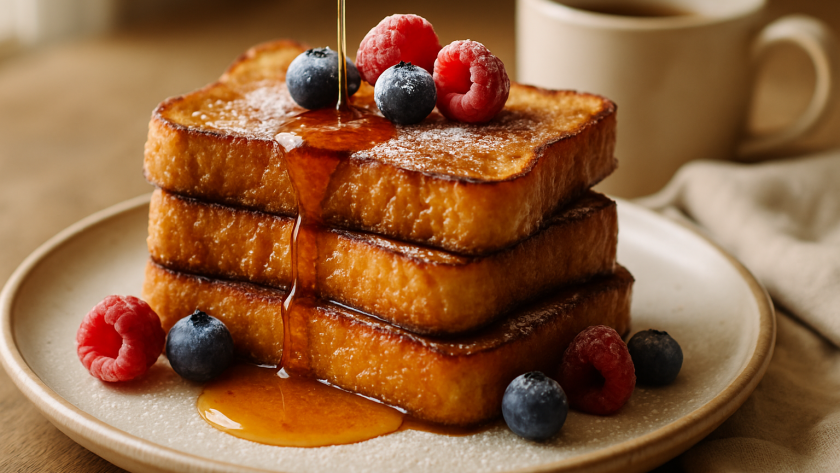
- Serve immediately topped with maple syrup, a dusting of powdered sugar, fresh berries, or your favorite toppings.
Chef’s Tips
- Use day-old or slightly stale bread for the best texture—it absorbs the custard without becoming mushy and holds its shape beautifully during cooking.
- Don't rush the cooking process. Medium heat ensures the custard cooks through while the exterior develops a golden crust without burning.
- For extra-rich French toast, substitute half the milk with heavy cream, or add an extra egg yolk to the mixture for a more luxurious custard.
- Keep your finished slices warm in a low oven on a wire rack set over a baking sheet to maintain crispness on all sides.
- Test doneness by pressing gently on the center—it should feel firm with no jiggle, and there should be no raw egg smell.
Common Mistakes to Avoid
- Soaking the bread too long makes it soggy and prone to falling apart. Aim for 20-30 seconds per side—just enough to saturate without oversaturating.
- Cooking on heat that's too high burns the outside before the custard sets inside. Medium heat is essential for even cooking.
- Using fresh, soft bread leads to mushy French toast. Day-old bread with a firmer texture absorbs custard better and maintains structure.
- Skipping the salt in the egg mixture results in flat, one-dimensional flavor. A pinch of salt enhances sweetness and balances the dish.
- Overcrowding the pan lowers the temperature and causes steaming instead of browning. Cook in batches for the best golden crust.
Variations
- Stuffed French Toast: Create a pocket in thick bread slices and fill with cream cheese, Nutella, or fruit preserves before dipping and cooking.
- Vegan French Toast: Replace eggs with a mixture of mashed banana or flax eggs, and use plant-based milk and vegan butter for cooking.
- Savory French Toast: Omit sugar and vanilla, add herbs like thyme or chives, a pinch of black pepper, and serve with cheese, bacon, or sautéed vegetables.
- Cinnamon Roll French Toast: Use cinnamon roll dough slices or add extra cinnamon and a cream cheese glaze for an indulgent twist.
- Baked French Toast Casserole: Layer soaked bread in a baking dish, refrigerate overnight, and bake at 350°F (175°C) for 35-40 minutes for easy brunch serving.
Storage
Store leftover French toast in an airtight container in the refrigerator for up to 3 days. For longer storage, freeze cooked slices in a single layer on a baking sheet until solid, then transfer to a freezer-safe bag or container for up to 2 months. Reheat refrigerated French toast in a toaster, oven at 350°F (175°C) for 5-7 minutes, or air fryer at 350°F (175°C) for 3-4 minutes to restore crispness. You can also prepare the egg mixture up to 24 hours ahead and store covered in the refrigerator.
Frequently Asked Questions
What is the best bread for French toast?
Brioche and challah are top choices for their rich, slightly sweet flavor and sturdy texture. Day-old thick-cut white bread or sourdough also work beautifully. The key is bread that's 3/4 to 1 inch thick and slightly stale so it absorbs custard without falling apart.
How do you keep French toast from getting soggy?
Use day-old bread, soak for only 20-30 seconds per side, and cook on medium heat until fully set. Avoid oversaturating the bread and ensure your pan is hot enough to create a golden crust that seals in the custard.
Can you make French toast ahead of time?
Yes! Cook the French toast fully, let it cool, then refrigerate or freeze. Reheat in the oven, toaster, or air fryer to restore crispness. You can also prepare the egg mixture the night before and store it covered in the fridge.
Do you need milk for French toast?
Milk adds richness and helps create the custard, but you can substitute with dairy-free milk like almond, oat, or coconut milk. For an even richer result, use half-and-half or add a splash of heavy cream.
How do you know when French toast is done?
French toast is done when both sides are deep golden brown, the edges feel firm when pressed gently, and there's no raw egg smell. The center should be set, not jiggly, and the surface should have a slight crisp.
What is the difference between French toast and eggy bread?
French toast typically includes milk, vanilla, cinnamon, and sometimes sugar in the egg mixture, creating a sweet, custardy coating. Eggy bread is simpler, often just eggs and salt, and can be served sweet or savory with minimal seasoning.