 admin
admin 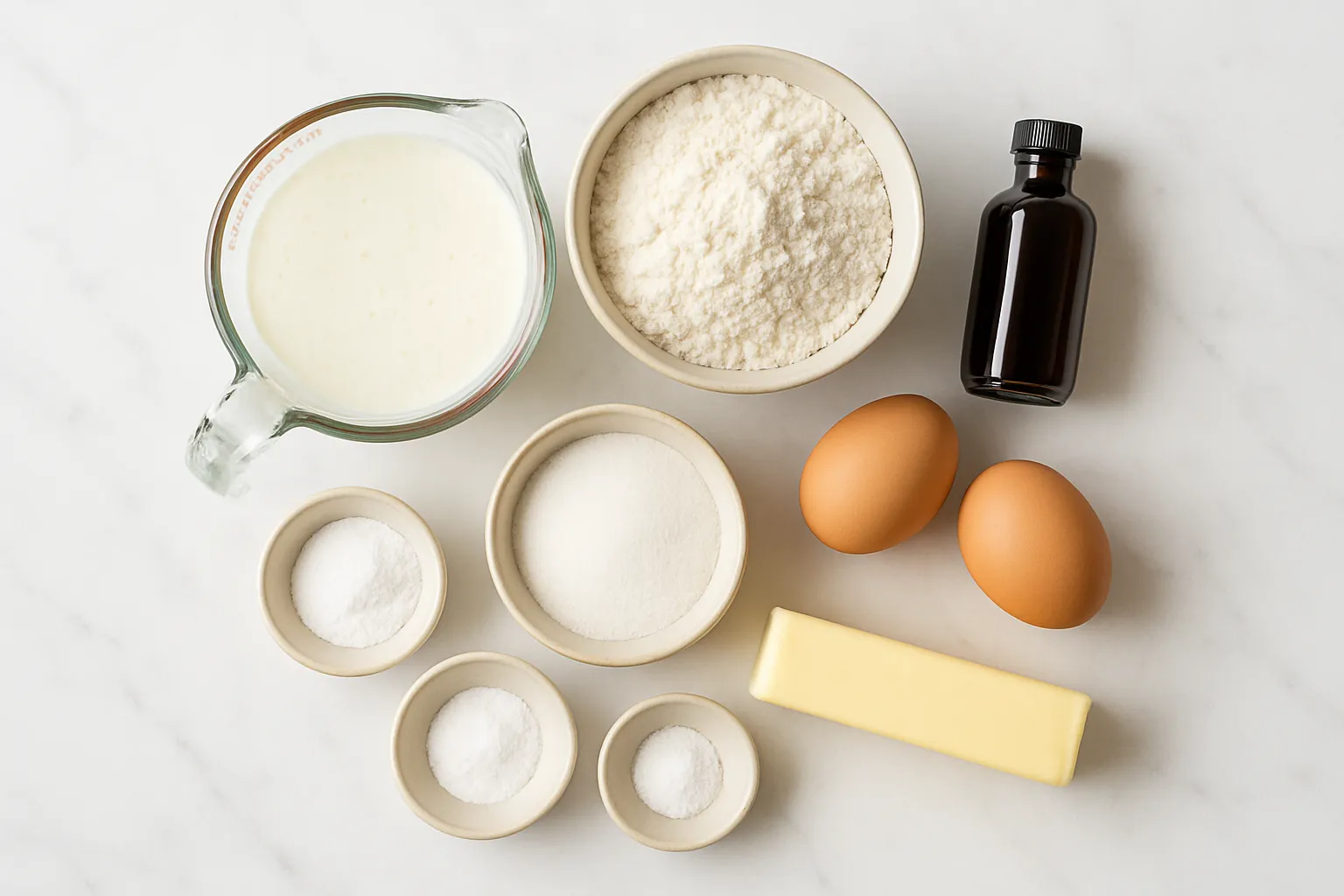
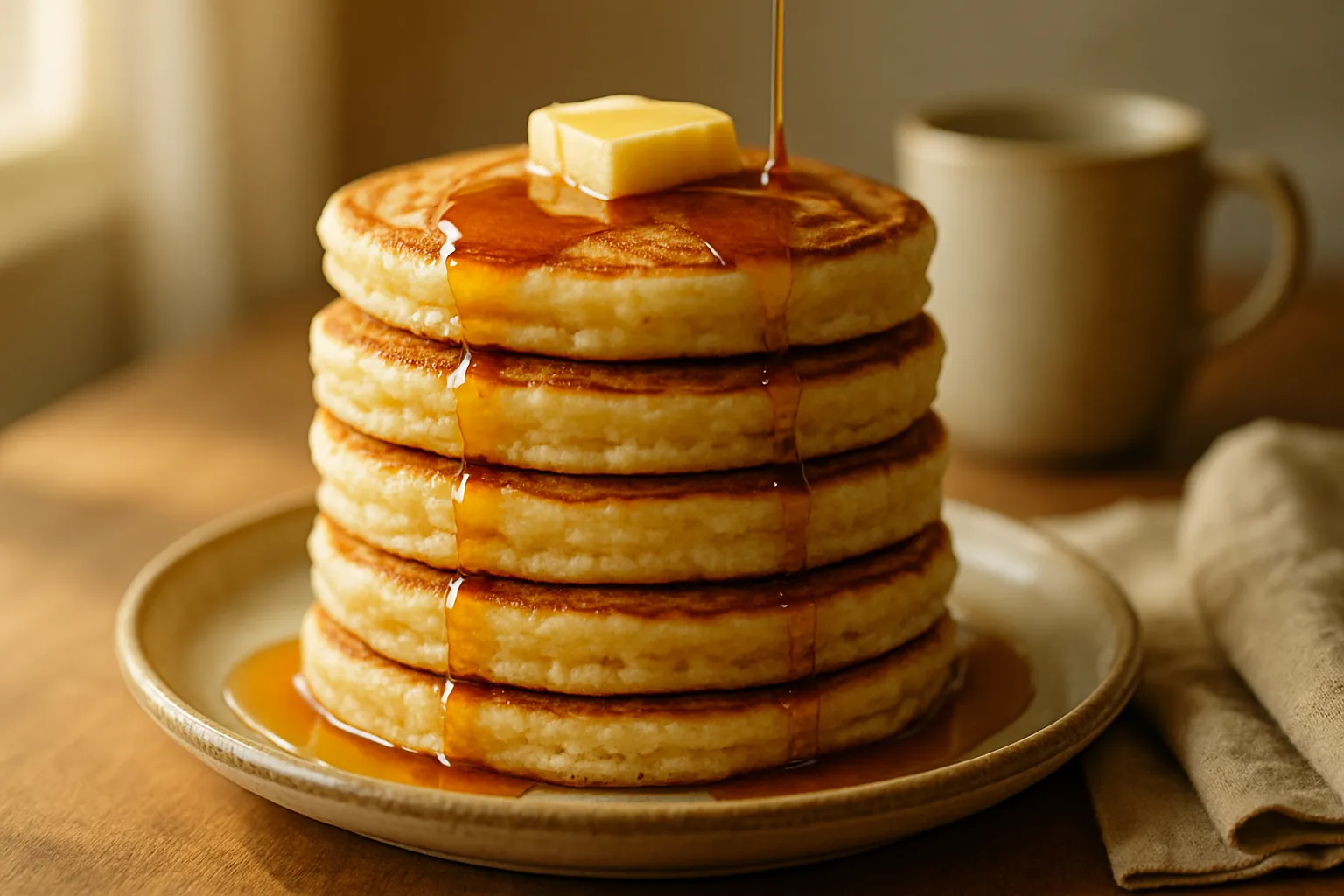
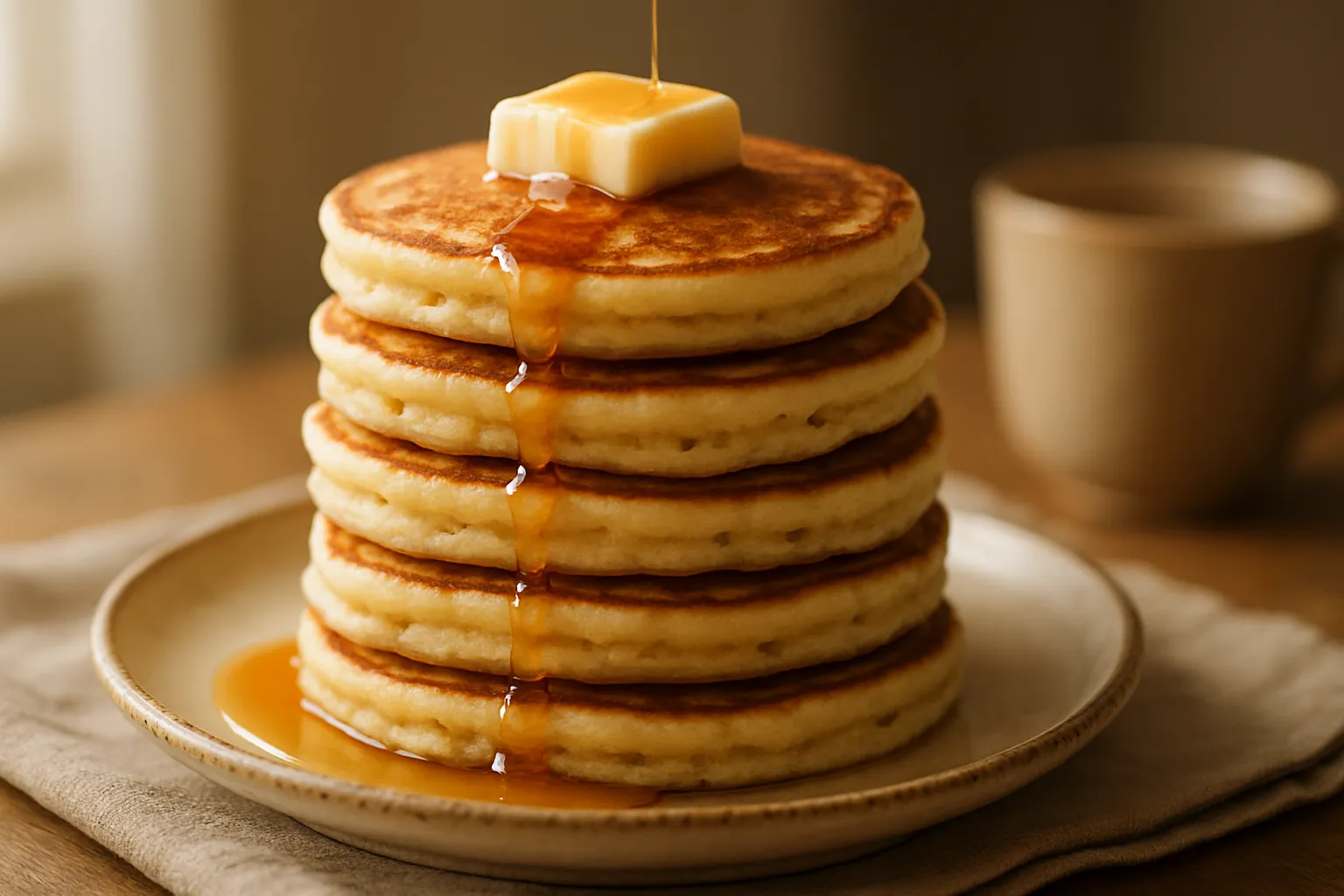
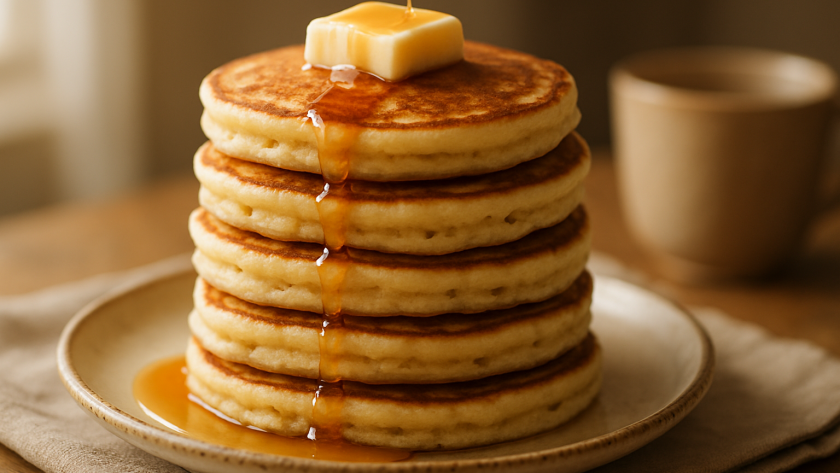
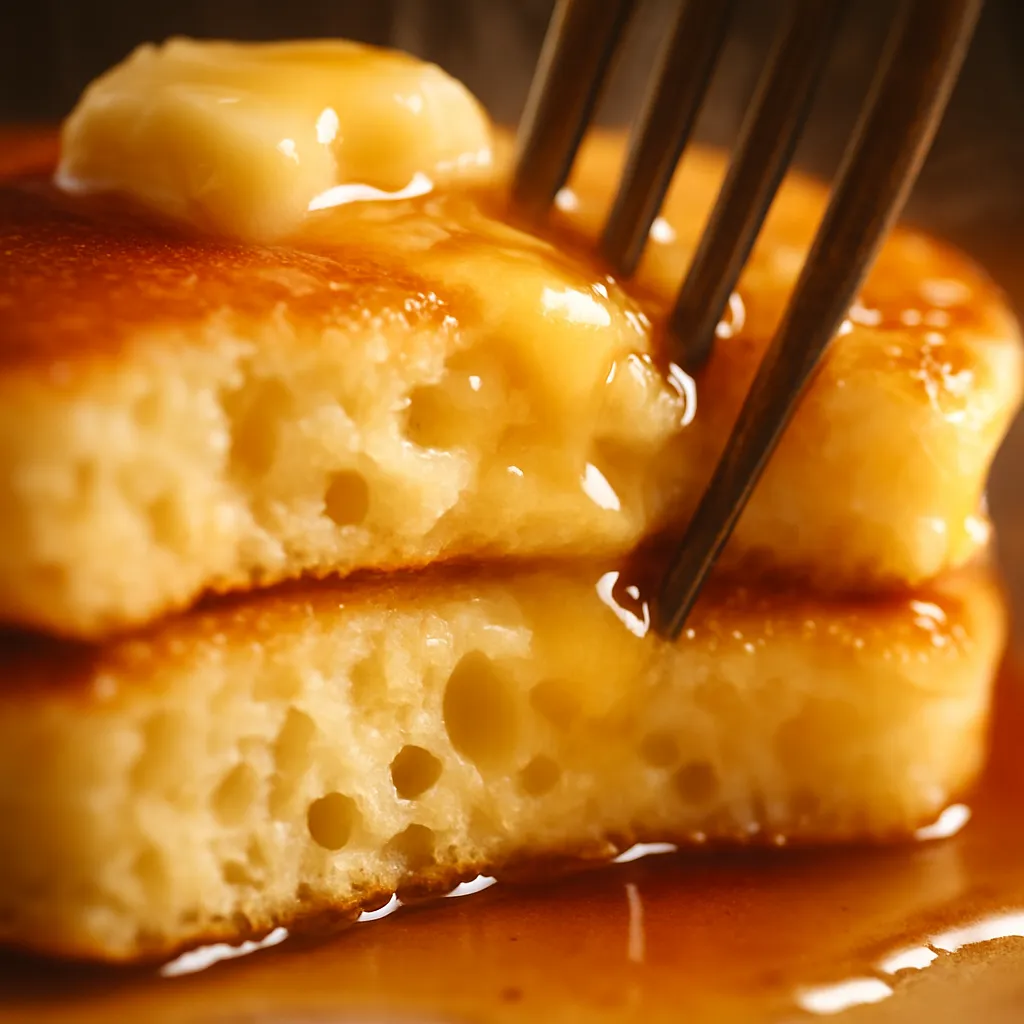
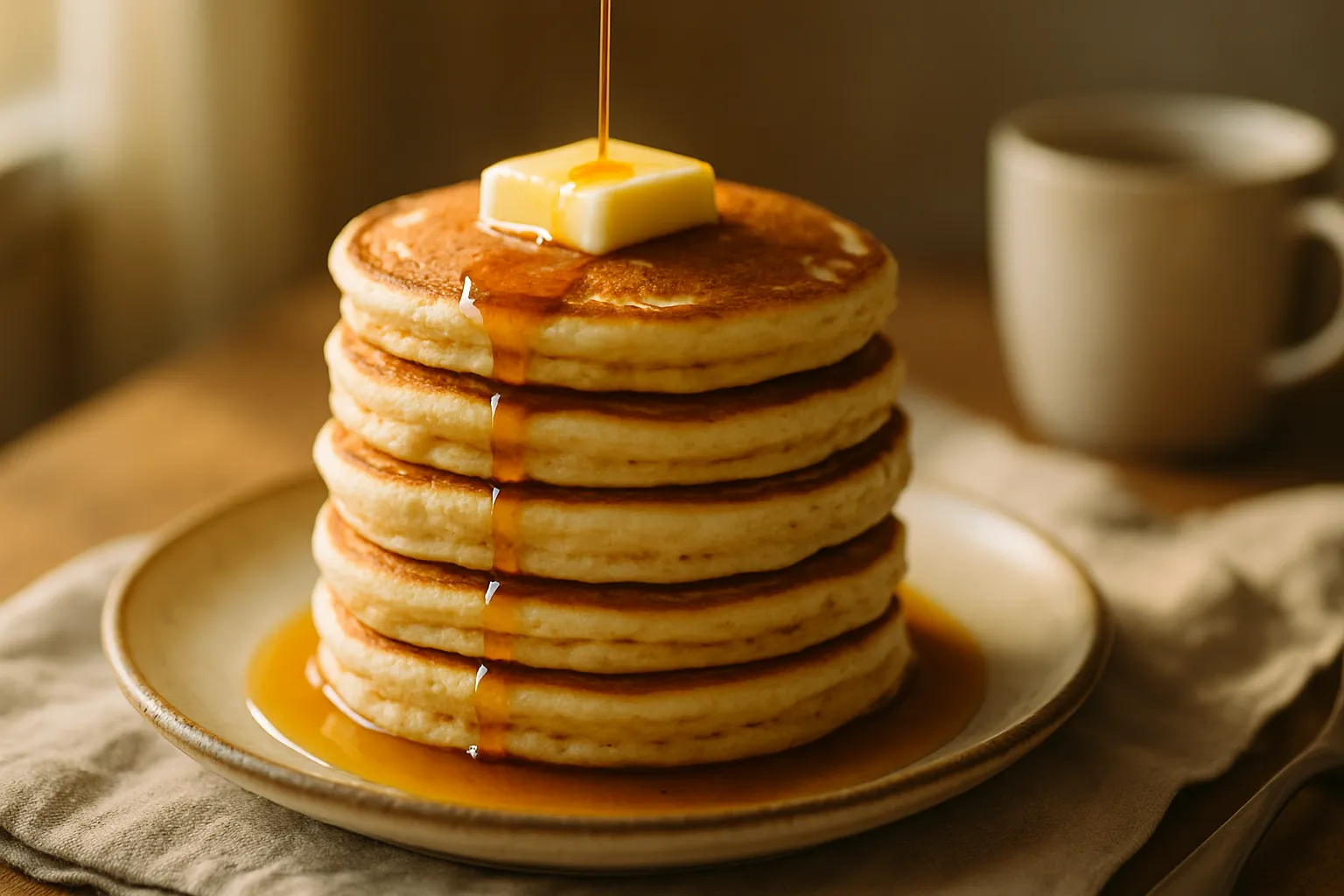
There's nothing quite like a stack of fluffy buttermilk pancakes to transform an ordinary morning into something special. These golden, cloud-like pancakes are tender on the inside with perfectly crisp edges, and they come together with simple pantry staples you likely already have on hand.
The secret to their incredible fluffiness lies in the combination of buttermilk's natural acidity activating baking soda, plus a gentle mixing technique that preserves air bubbles. Unlike flat, dense pancakes that disappoint, this recipe delivers consistently tall, fluffy results every single time.
Whether you're making weekend brunch for the family or treating yourself to a cozy breakfast, these buttermilk pancakes are ready in under 20 minutes from bowl to plate. No specialty ingredients, no complicated techniques—just reliably delicious pancakes that rival your favorite breakfast spot.
Ingredients
- 2 cups all-purpose flour spooned and leveled
- 2 tablespoons granulated sugar
- 2 teaspoons baking powder fresh for best rise
- 1 teaspoon baking soda activates with buttermilk
- 1/2 teaspoon salt
- 2 cups buttermilk fresh, cold from refrigerator
- 2 large eggs room temperature preferred
- 4 tablespoons unsalted butter melted and slightly cooled
- 1 teaspoon vanilla extract optional but recommended
- as needed butter or oil for griddle for cooking
Instructions
- In a large mixing bowl, whisk together the flour, sugar, baking powder, baking soda, and salt until well combined. This ensures even distribution of leavening agents throughout the batter.
- In a separate bowl, whisk together the buttermilk, eggs, melted butter, and vanilla extract until smooth and fully incorporated.
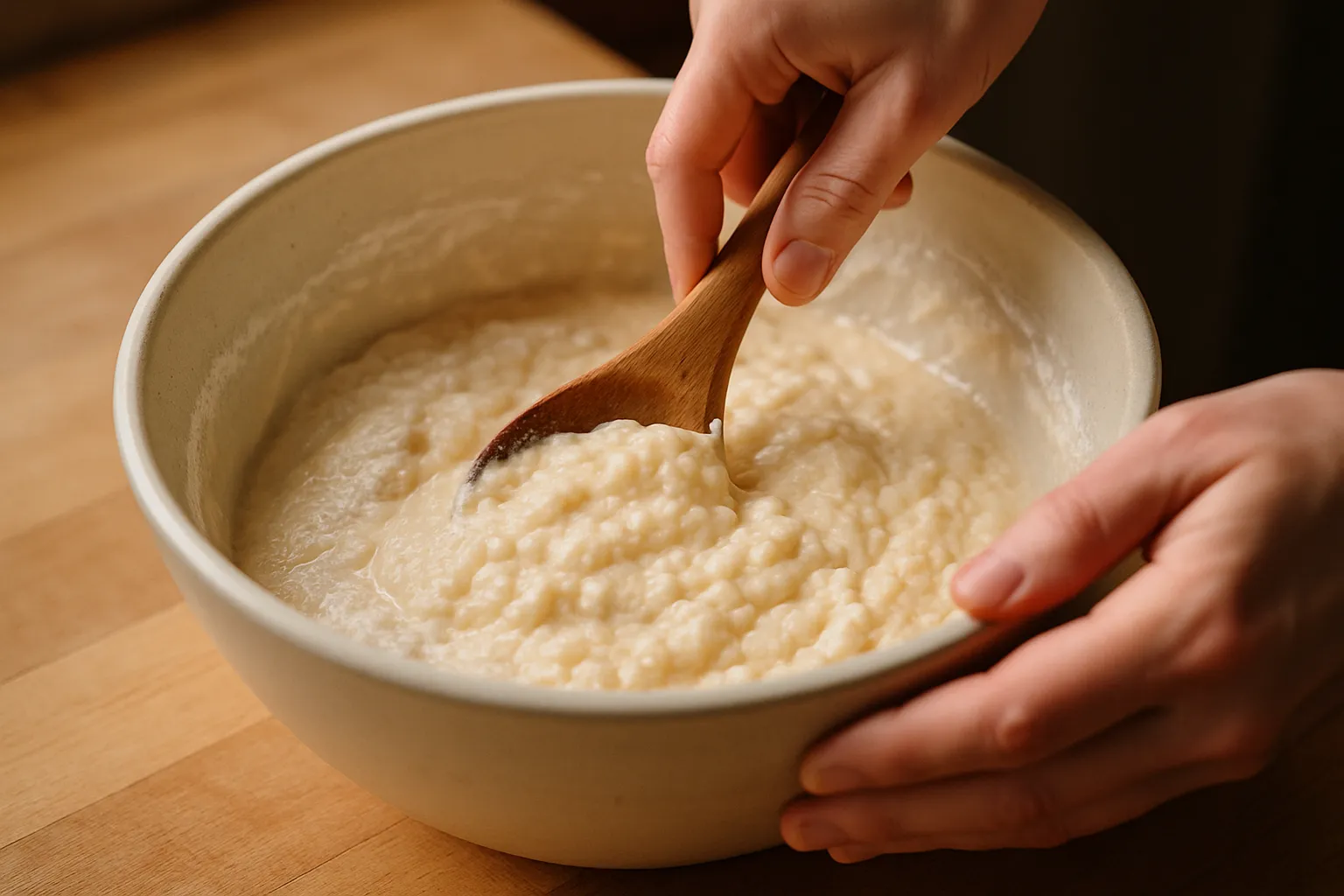
- Pour the wet ingredients into the dry ingredients. Using a wooden spoon or spatula, gently fold the mixture together until just combined. The batter should be lumpy—do not overmix. A few streaks of flour are perfectly fine.
- Let the batter rest for 5 minutes at room temperature. This allows the gluten to relax and the leavening agents to activate, creating bubbles that make the pancakes extra fluffy.
- Preheat a griddle or large non-stick skillet over medium heat (about 175°C/350°F). Lightly grease with butter or oil. Test the temperature by sprinkling a few drops of water—they should sizzle gently.
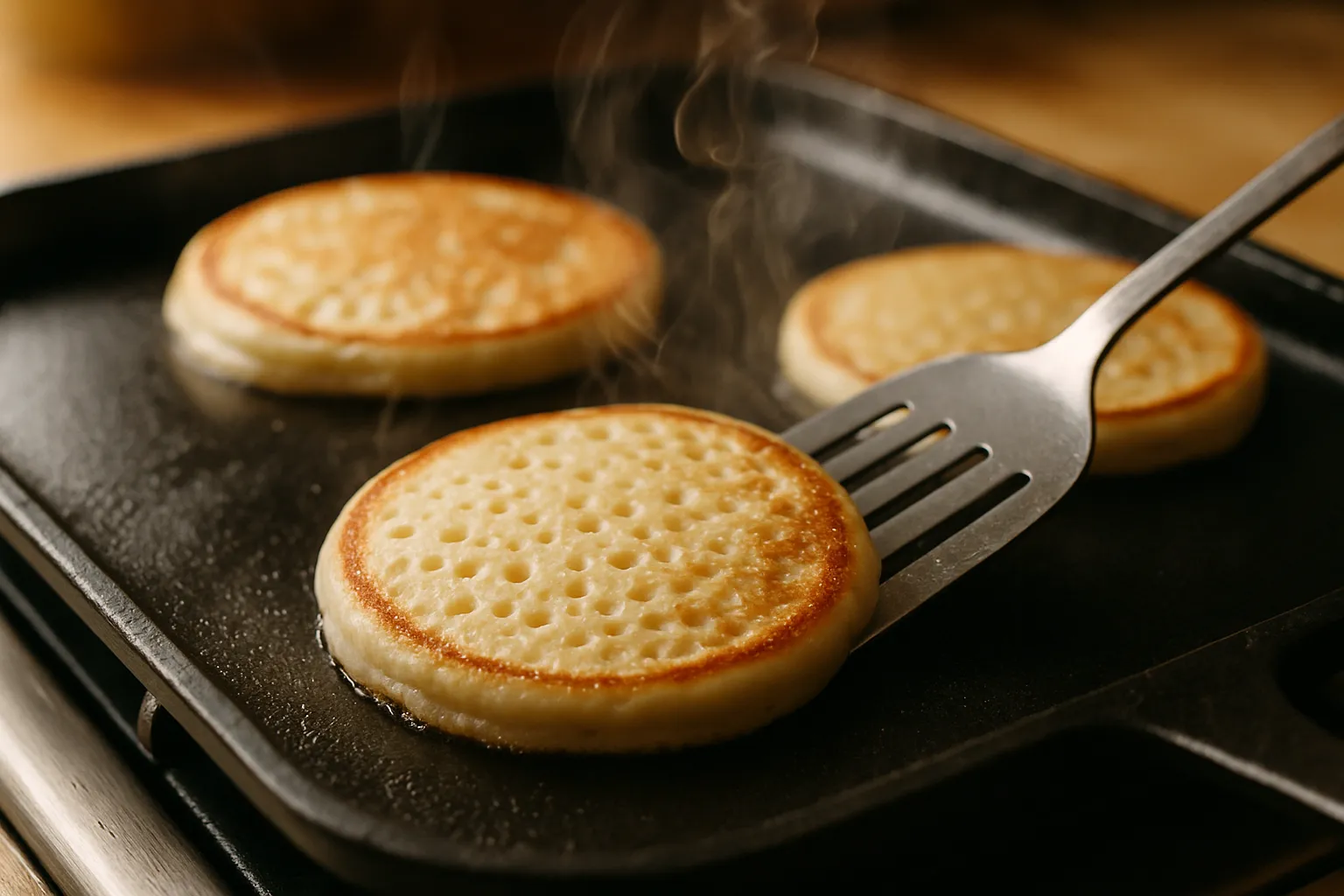
- Pour 1/4 cup of batter onto the griddle for each pancake. Cook until bubbles form on the surface and the edges look set and slightly dry, about 2-3 minutes.
- Flip the pancakes carefully with a spatula and cook for another 1-2 minutes until golden brown on the bottom. Avoid pressing down on the pancakes while cooking.
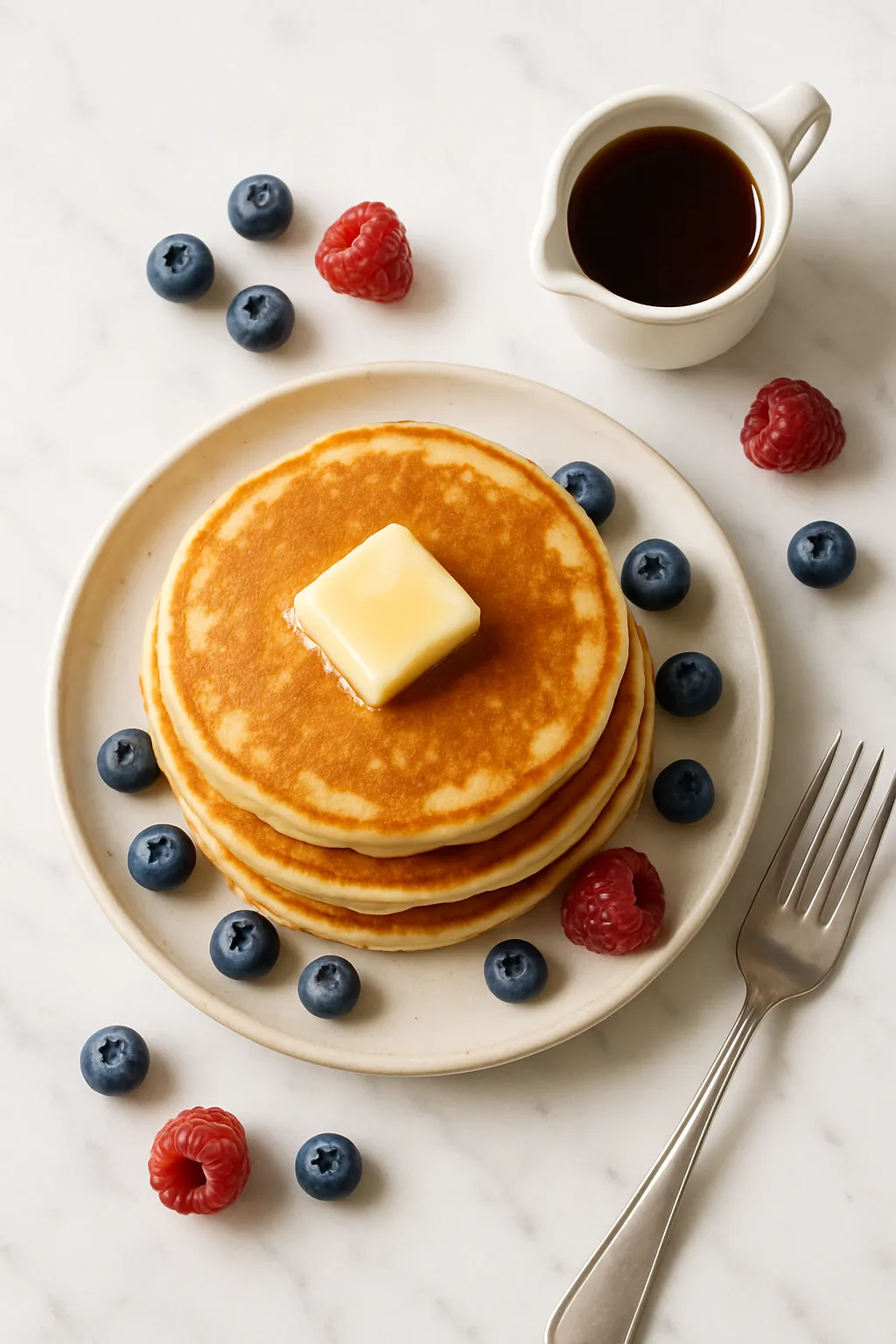
- Transfer cooked pancakes to a plate and keep warm. Repeat with remaining batter, adding more butter or oil to the griddle as needed. Serve immediately with your favorite toppings.
Chef’s Tips
- Don't overmix the batter—lumps are your friend! Overmixing develops gluten, which makes pancakes tough and dense instead of fluffy and tender.
- Test your baking powder and baking soda for freshness by adding a pinch to hot water (baking soda) or warm water (baking powder). If it doesn't fizz vigorously, replace it for maximum rise.
- Maintain medium to medium-low heat throughout cooking. Too-high heat burns the outside before the inside cooks through, while proper temperature allows the pancakes to rise fully.
- For ultra-fluffy pancakes, separate the eggs and whip the whites to soft peaks, then fold them into the batter as the final step before cooking.
- Use a 1/4-cup measuring cup or ice cream scoop to portion batter for evenly sized pancakes that cook at the same rate.
Common Mistakes to Avoid
- Overmixing the batter develops too much gluten, resulting in tough, rubbery pancakes instead of tender, fluffy ones. Mix only until ingredients are just combined.
- Using expired or old baking powder and baking soda produces flat, dense pancakes because the leavening agents have lost their potency. Always check expiration dates.
- Cooking on heat that's too high burns the exterior while leaving the center raw and gummy. Medium heat allows even cooking and proper rise.
- Pressing down on pancakes with the spatula while cooking squeezes out air bubbles and deflates them, resulting in flat, dense texture.
- Flipping pancakes too early or too often disrupts the cooking process. Wait until bubbles form and edges set before flipping just once.
Variations
- Blueberry Buttermilk Pancakes: Gently fold 1 cup fresh or frozen blueberries into the batter after mixing. Frozen berries work best if added while still frozen to prevent bleeding.
- Chocolate Chip Pancakes: Sprinkle chocolate chips directly onto each pancake immediately after pouring batter onto the griddle, or fold 3/4 cup mini chocolate chips into the batter.
- Whole Wheat Buttermilk Pancakes: Replace half the all-purpose flour with whole wheat flour for added fiber and nutty flavor. You may need to add 1-2 tablespoons extra buttermilk.
- Cinnamon Spice Pancakes: Add 1 teaspoon ground cinnamon and 1/4 teaspoon nutmeg to the dry ingredients for warm, cozy flavor perfect for fall mornings.
- Lemon Ricotta Variation: Fold in 1/2 cup ricotta cheese and 1 tablespoon lemon zest for extra-rich, tangy pancakes with incredible moisture.
Storage
Store leftover pancakes in an airtight container in the refrigerator for up to 3 days. For longer storage, freeze pancakes for up to 2 months by placing parchment paper between each pancake to prevent sticking, then storing in a freezer-safe bag or container. Reheat refrigerated pancakes in the toaster for crispy edges or microwave for 20-30 seconds. Frozen pancakes can go straight into the toaster or be microwaved for 60-90 seconds. Pancake batter can be refrigerated for up to 2 hours maximum, though texture is best when cooked immediately.
Frequently Asked Questions
What makes buttermilk pancakes fluffy?
The combination of buttermilk's acidity reacting with baking soda creates carbon dioxide bubbles that make pancakes rise. Using both baking powder and baking soda provides double leavening, while gentle mixing preserves air pockets for maximum fluffiness.
Can I make buttermilk pancakes without buttermilk?
Yes! Make DIY buttermilk by adding 2 tablespoons of lemon juice or white vinegar to 2 cups of regular milk. Let it sit for 5 minutes until it curdles slightly. This creates the same acidity needed to activate the baking soda and produce fluffy pancakes.
Should you let pancake batter rest?
Yes, resting the batter for 5 minutes allows the gluten to relax, which creates more tender pancakes. It also gives the leavening agents time to activate and develop bubbles, resulting in fluffier texture and better rise.
How do I know when to flip the pancakes?
Flip when you see bubbles forming across the entire surface of the pancake and the edges look set and slightly dry. This usually takes 2-3 minutes. The bubbles should pop and leave small holes that don't fill back in.
Can you freeze buttermilk pancakes?
Absolutely! Freeze cooked pancakes for up to 2 months by placing parchment paper between each pancake and storing in a freezer-safe bag. Reheat directly from frozen in the toaster or microwave for quick breakfasts throughout the week.
Why are my pancakes flat and not fluffy?
Flat pancakes usually result from expired baking powder or baking soda, overmixing the batter, or using ingredients that aren't fresh. Make sure your leavening agents are active, mix gently until just combined, and use cold, fresh buttermilk for best results.