 admin
admin 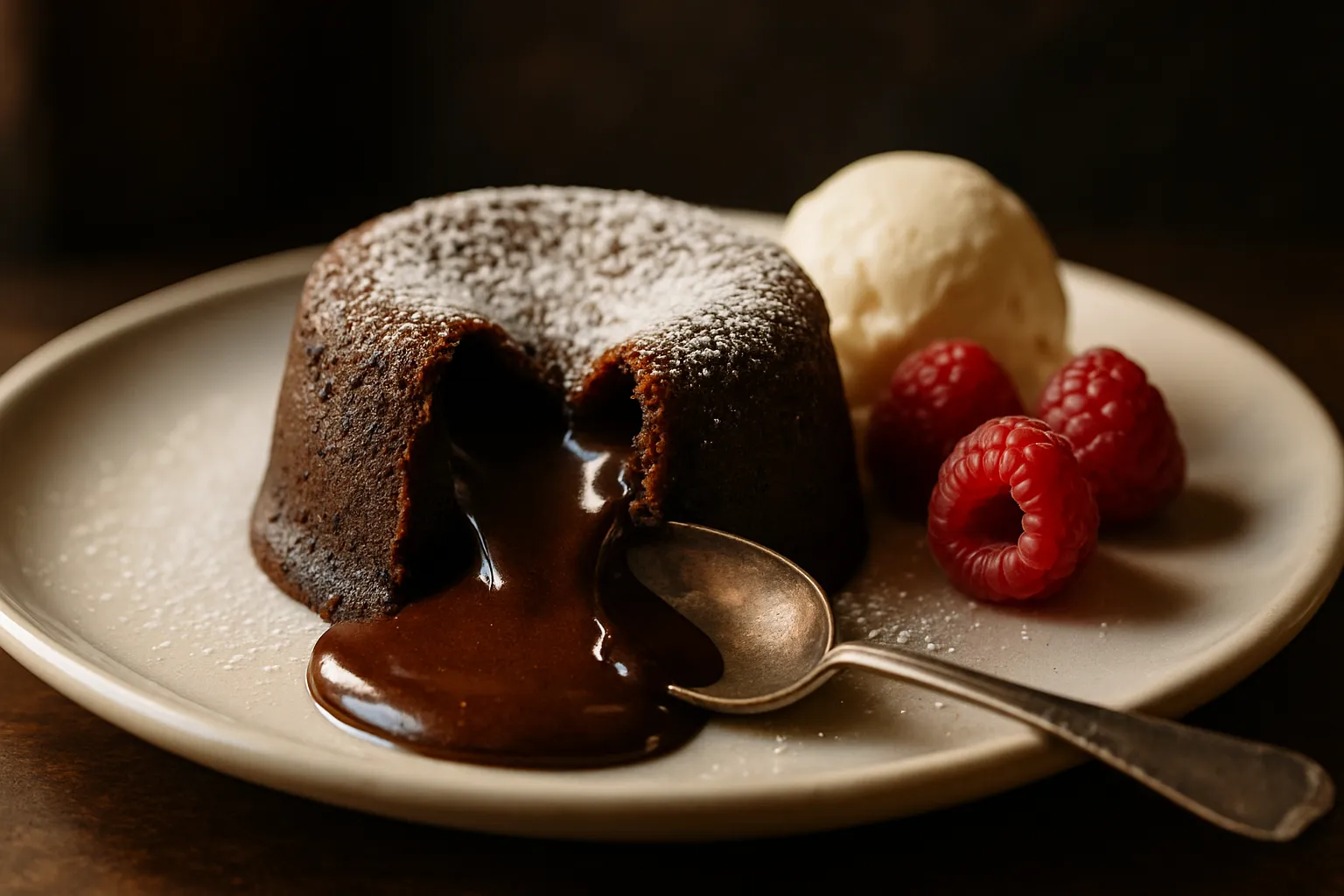
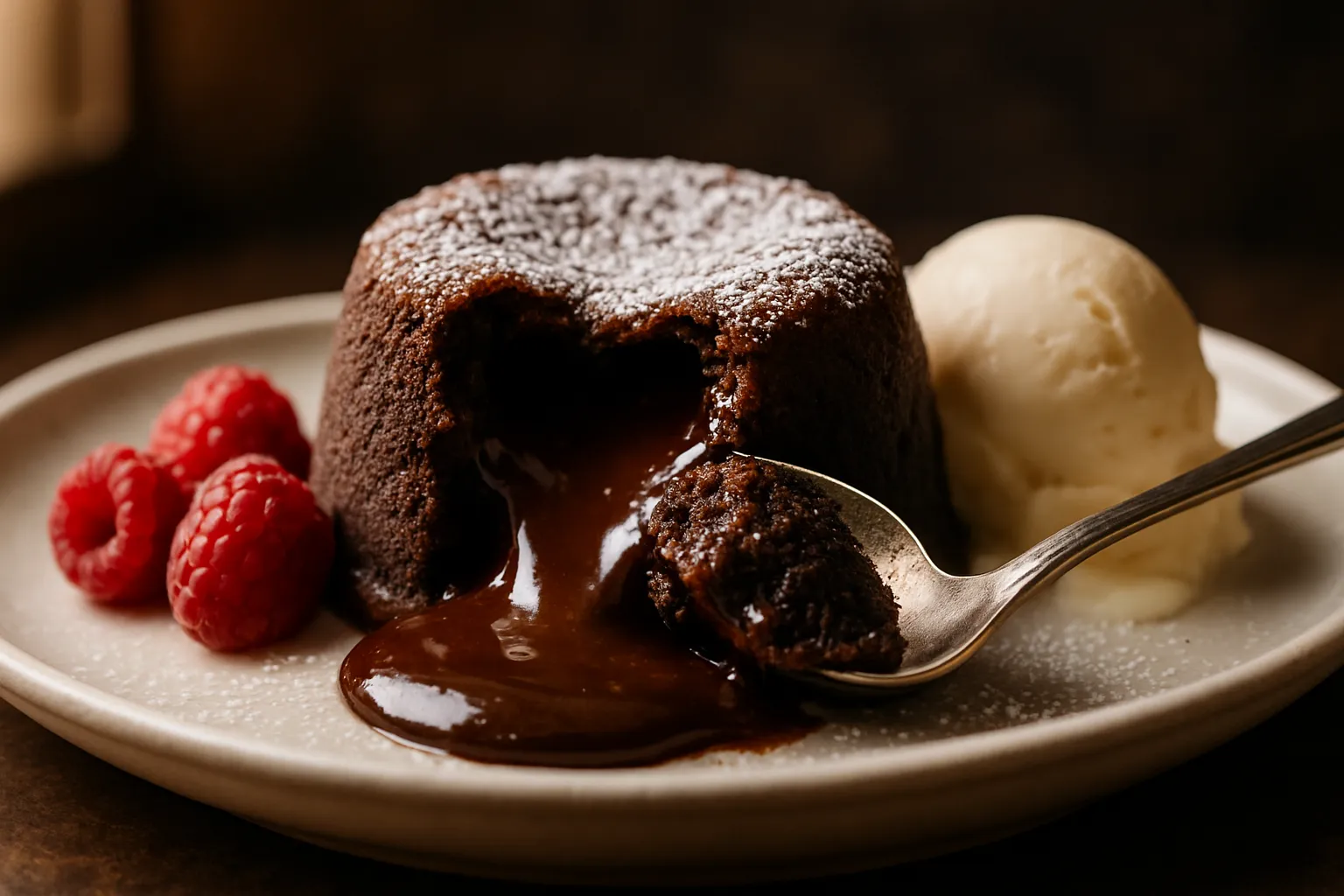
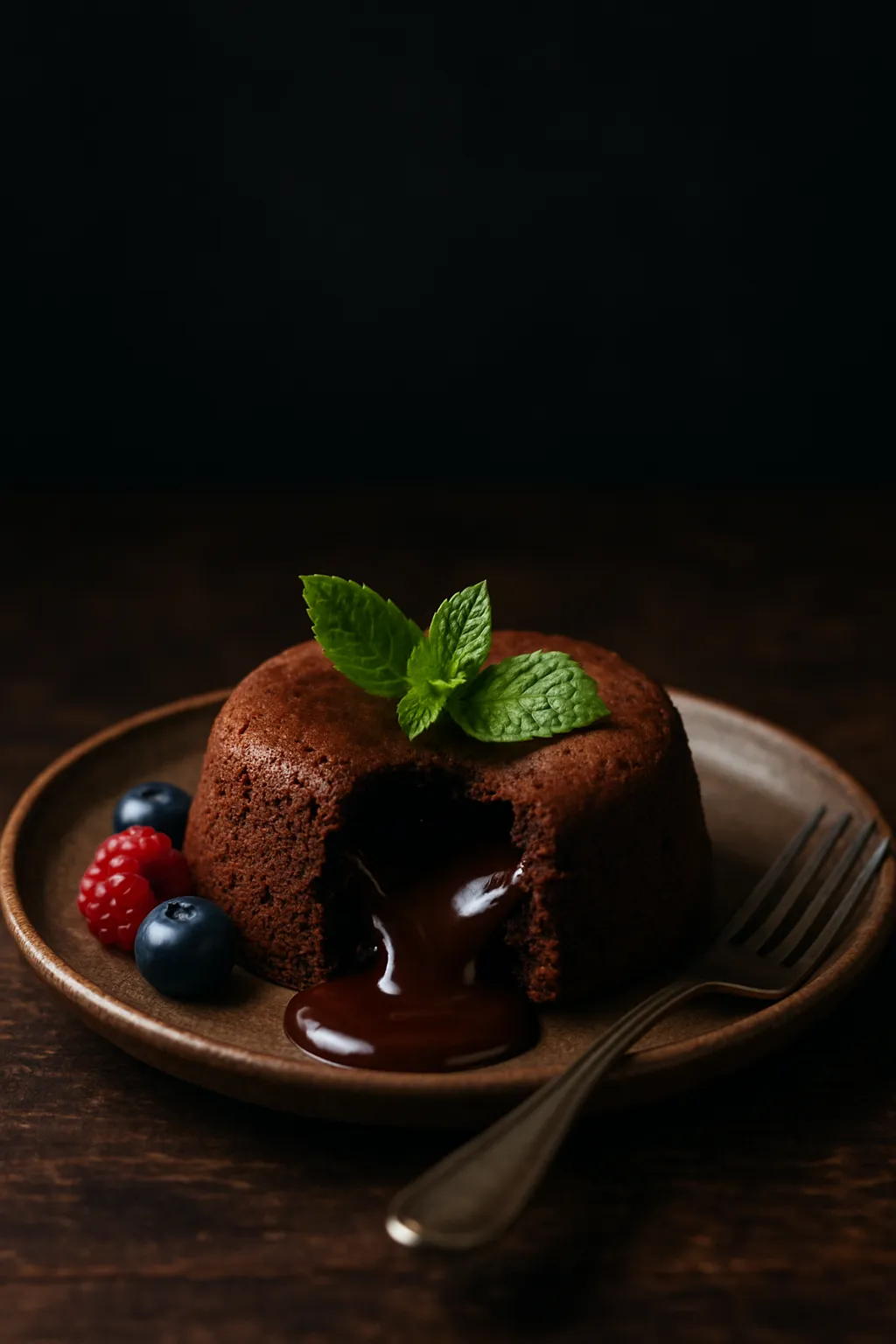
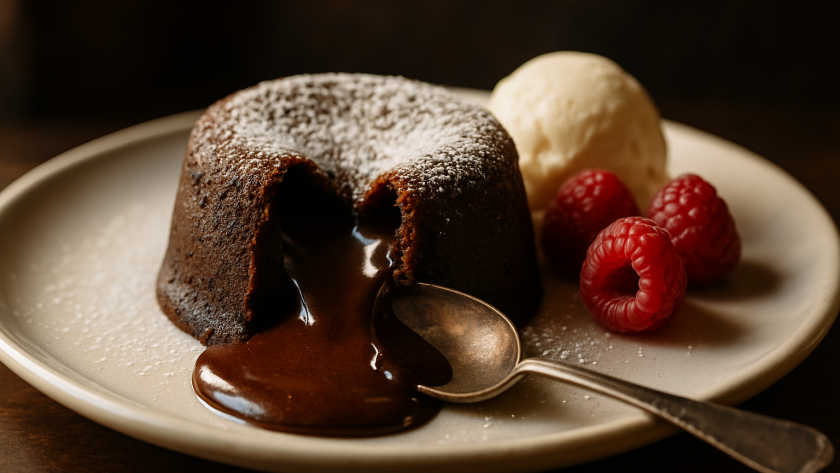
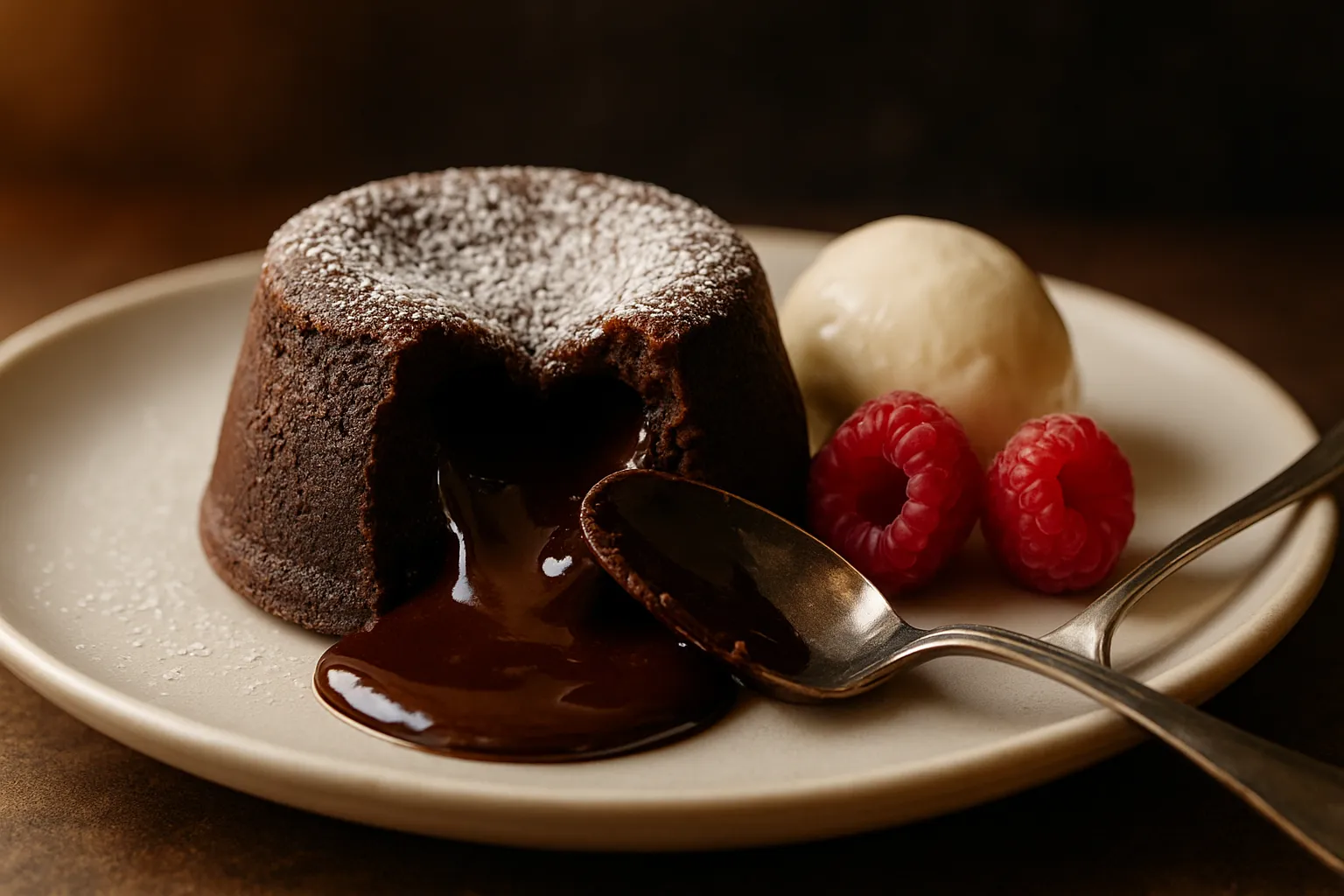
Chocolate lava cake—also known as molten chocolate cake or chocolate fondant—is the ultimate showstopper dessert that never fails to impress. Created by legendary chef Jean-Georges Vongerichten in 1987, this decadent treat features a crispy, cake-like exterior that gives way to a warm, flowing chocolate center when you break it open with your spoon.
What makes lava cake a restaurant favorite is its perfect balance of textures and that dramatic molten reveal. While it looks incredibly sophisticated, the secret is that it's surprisingly simple to make at home with just a handful of quality ingredients and the right technique.
Whether you're planning a romantic Valentine's Day dinner, celebrating an anniversary, or simply want to elevate your dessert game, this chocolate lava cake recipe will guide you through every step to achieve that perfect gooey center every single time.
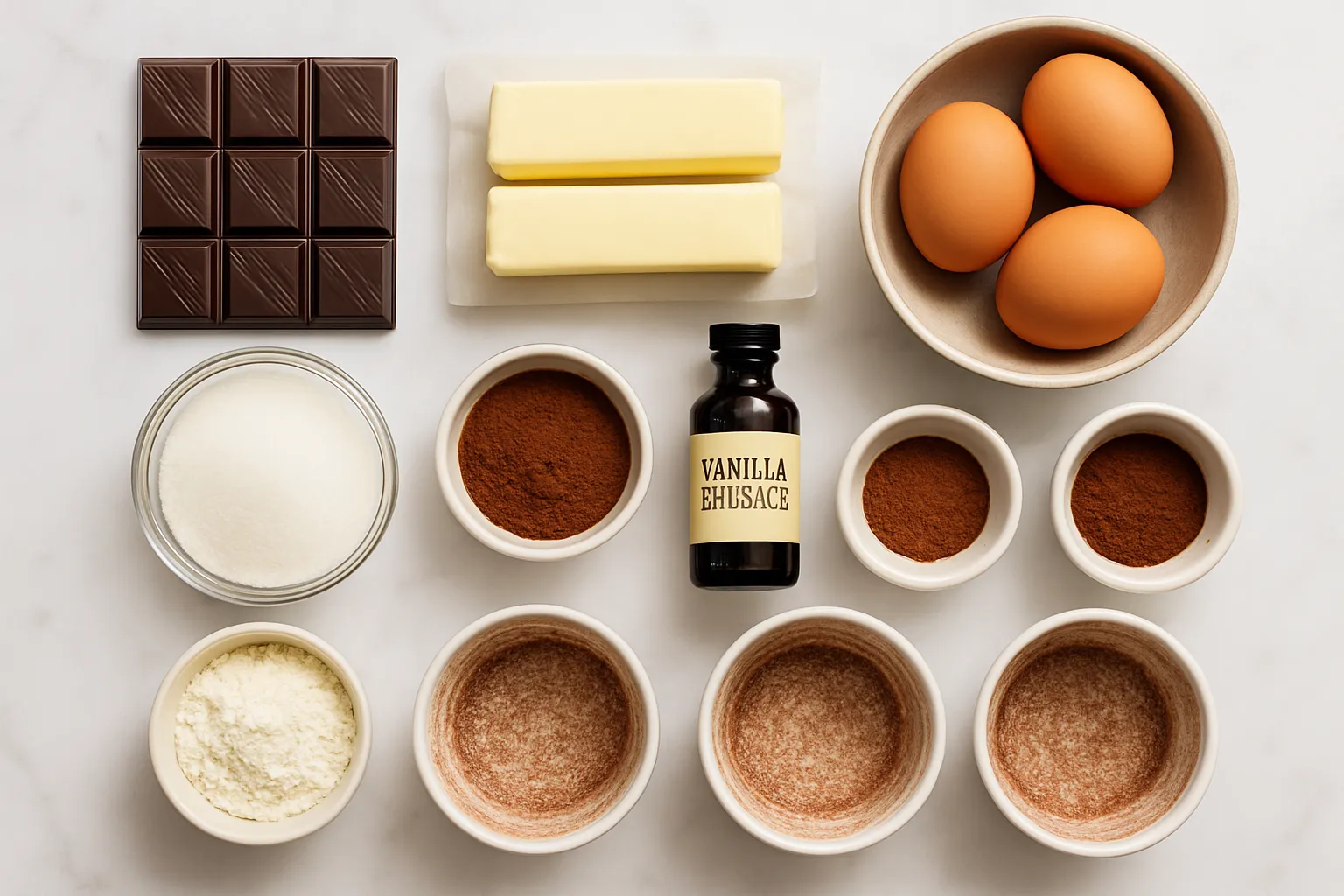
Ingredients
- 115g (4 oz) dark chocolate 60-70% cocoa, chopped
- 115g (½ cup) unsalted butter plus extra for greasing
- 100g (½ cup) granulated sugar
- 2 large eggs at room temperature
- 2 large egg yolks at room temperature
- 30g (¼ cup) all-purpose flour
- 1 tsp vanilla extract
- 1 tbsp cocoa powder for dusting ramekins
- ⅛ tsp pinch of salt
- ½ tsp espresso powder optional, enhances chocolate flavor
Instructions
- Preheat your oven to 220°C (425°F) and position the rack in the center. Generously butter four 6-oz (175ml) ramekins, then dust with cocoa powder, tapping out any excess. This ensures easy release after baking.
- Create a double boiler by placing a heatproof bowl over a pot of simmering water (don't let the bowl touch the water). Add the chopped chocolate and butter, stirring occasionally until completely melted and smooth. Remove from heat and let cool slightly for 5 minutes.
- In a separate bowl, whisk together the eggs, egg yolks, and sugar vigorously for about 2 minutes until the mixture becomes pale and slightly thickened. Add vanilla extract and espresso powder if using.
- Pour the melted chocolate mixture into the egg mixture and gently fold together until combined. Sift in the flour and salt, then fold gently just until no streaks remain—avoid overmixing to maintain a tender texture.
- Divide the batter evenly among the prepared ramekins, filling each about three-quarters full. For an extra molten center, you can press a small piece of chocolate ganache or a teaspoon of Nutella into the center of each.
- Place ramekins on a baking sheet and bake for 12-14 minutes. The edges should be firm and set, while the center still jiggles slightly when gently shaken. The tops will have a thin crust.
- Remove from oven and let rest for exactly 1 minute. Run a thin knife around the edges of each ramekin, then carefully invert onto individual serving plates. Gently lift off the ramekin.
- Serve immediately while the center is still molten, garnished with a dusting of powdered sugar, fresh berries, and a scoop of vanilla ice cream or dollop of whipped cream.
Chef’s Tips
- Use high-quality chocolate with 60-70% cocoa content—the chocolate is the star here, so quality directly impacts flavor. Avoid chocolate chips as they contain stabilizers that affect texture.
- Oven temperature accuracy is crucial. Use an oven thermometer to verify your oven runs true to temperature, as even 10-15 degrees can mean the difference between molten and fully baked.
- The batter can be prepared and refrigerated in ramekins up to 24 hours ahead. Simply add 2-3 minutes to the baking time when baking from cold.
- Watch for the telltale signs of doneness: edges should be completely set and pulling away slightly from the sides, while the center still has a gentle jiggle when you shake the ramekin.
- Room temperature eggs incorporate more smoothly and create better volume when whisked with sugar, resulting in a lighter, more elegant texture.
Common Mistakes to Avoid
- Overbaking is the number one mistake—set a timer for 12 minutes and check carefully. Remember, the cakes continue cooking slightly after removal from the oven.
- Inadequate greasing causes cakes to stick. Use soft butter (not melted) and apply generously to every surface, then dust thoroughly with cocoa powder for foolproof release.
- Opening the oven door repeatedly during baking causes temperature fluctuations that can lead to sunken centers. Check only once near the end of baking time.
- Overmixing the batter after adding flour develops gluten and creates a tough, dense cake instead of a tender, delicate crumb.
- Using cold eggs straight from the refrigerator can cause the melted chocolate to seize or create an uneven batter texture.
Variations
- White Chocolate Lava Cake: Substitute white chocolate for dark chocolate and reduce sugar to 75g. Add a raspberry or passion fruit center for contrast.
- Salted Caramel Lava Cake: Press a teaspoon of thick salted caramel into the center of each cake before baking, and sprinkle finished cakes with flaky sea salt.
- Nutella or Peanut Butter Center: Add a frozen teaspoon of Nutella or peanut butter to the center of each ramekin for an extra gooey surprise.
- Gluten-Free Adaptation: Replace all-purpose flour with 30g almond flour or a 1:1 gluten-free baking blend for a naturally gluten-free version.
- Flavor Infusions: Add ½ teaspoon orange zest, a few drops of peppermint extract, a pinch of cayenne pepper, or 1 tablespoon of coffee liqueur to the batter for sophisticated flavor variations.
Storage
Chocolate lava cake is best served immediately for the optimal molten center experience. However, unbaked batter can be refrigerated in prepared ramekins, covered with plastic wrap, for up to 24 hours—add 2-3 minutes to baking time. For longer storage, freeze unbaked cakes for up to 1 month; bake directly from frozen, adding 4-5 minutes to the baking time. Leftover baked cakes can be refrigerated for 2 days and gently reheated in a 180°C (350°F) oven for 5-7 minutes, though the molten center will be less dramatic.
Frequently Asked Questions
Can I make chocolate lava cake without ramekins?
Yes, you can use a standard muffin tin as an alternative. Grease and dust the cups thoroughly with butter and cocoa powder. Reduce baking time to 10-12 minutes since muffin tins are typically shallower than ramekins.
What temperature should lava cake be baked at?
Bake chocolate lava cake at 220°C (425°F). This high temperature creates the signature contrast between the set exterior and molten center. Lower temperatures will result in a fully cooked cake without the lava effect.
How do you know when lava cake is done?
The edges should be completely set and firm to the touch, pulling slightly away from the ramekin sides, while the center still jiggles gently when you shake the ramekin. The top will have a thin, matte crust. This typically takes 12-14 minutes.
Can chocolate lava cake be made ahead?
Absolutely. Prepare the batter and fill the ramekins, then cover and refrigerate for up to 24 hours. Bake directly from the refrigerator, adding 2-3 extra minutes to the baking time. You can also freeze unbaked cakes for up to 1 month.
What is the difference between lava cake and molten cake?
There is no difference—lava cake, molten chocolate cake, and chocolate fondant all refer to the same dessert featuring a liquid chocolate center. The terms are used interchangeably, with 'lava cake' being most common in the United States.
Why is my lava cake not gooey in the middle?
The most common cause is overbaking. Reduce baking time by 1-2 minutes and watch for the visual cues: set edges with a jiggly center. Also verify your oven temperature with a thermometer, as ovens running hot will overbake the center.