 admin
admin 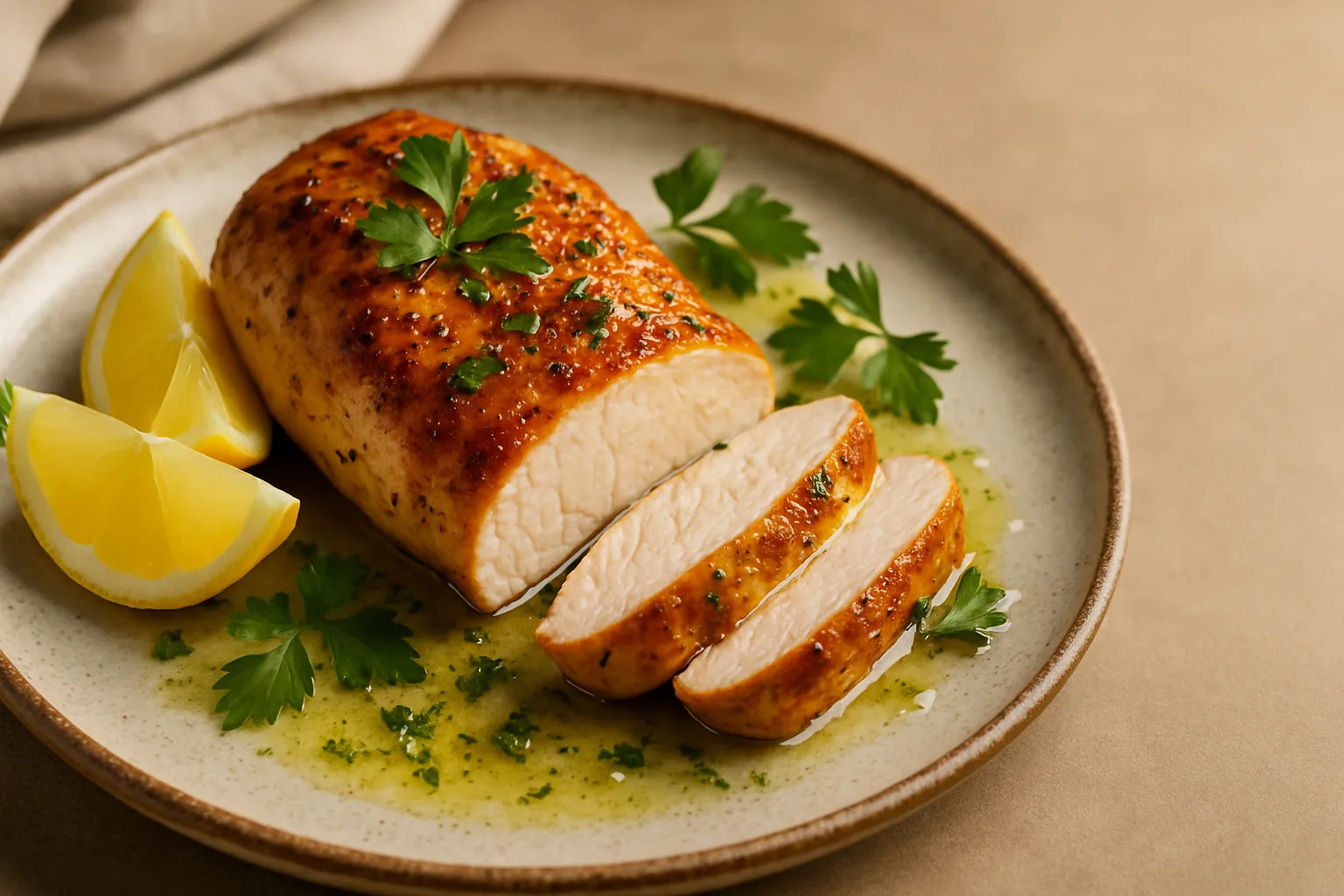
Chicken breast is the most popular cut of poultry worldwide, prized for its lean protein content, versatility, and mild flavor that adapts beautifully to countless cuisines. Yet despite its popularity, many home cooks struggle to achieve perfectly juicy results, often ending up with dry, rubbery meat that's far from appetizing.
The secret to tender, flavorful chicken breast lies in understanding the science behind proper cooking techniques, safe internal temperatures, and moisture-retention methods like brining and marinating. Whether you're pan-searing for a quick weeknight dinner or preparing classic Italian dishes like Pollo alla Milanese, mastering this versatile cut will transform your everyday cooking.
In this comprehensive guide, we'll walk you through everything you need to know about chicken breast—from selecting quality cuts at the market to avoiding common mistakes that lead to dryness. You'll discover foolproof cooking methods, authentic Italian-inspired recipes, and practical storage tips that will make chicken breast your go-to protein for healthy, delicious meals.
Ingredients
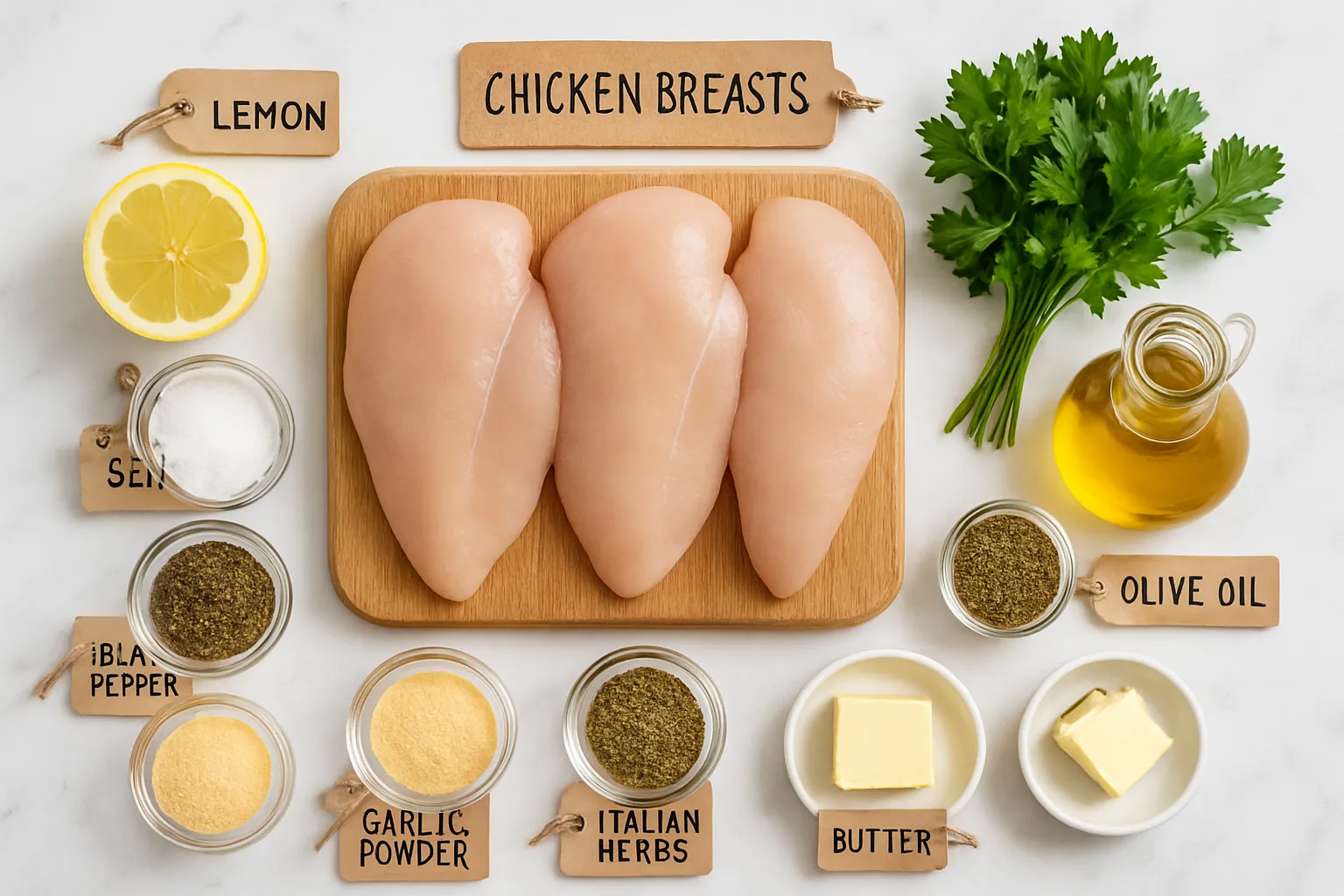
- 4 pieces (about 600-700g total) boneless, skinless chicken breasts preferably organic or free-range, uniform thickness
- 3 tablespoons extra virgin olive oil for cooking and moisture
- 1½ teaspoons sea salt or to taste
- ½ teaspoon freshly ground black pepper adjust to preference
- 1 teaspoon garlic powder or 3 fresh garlic cloves, minced
- 1 teaspoon dried Italian herbs oregano, basil, or mixed herbs
- 2 tablespoons fresh lemon juice from 1 medium lemon
- 2 tablespoons unsalted butter optional, for finishing and richness
- 2 tablespoons, chopped fresh parsley for garnish
Instructions
- Remove chicken breasts from refrigeration 15-20 minutes before cooking to bring to room temperature. Pat completely dry with paper towels—this is crucial for achieving a golden crust and even cooking.
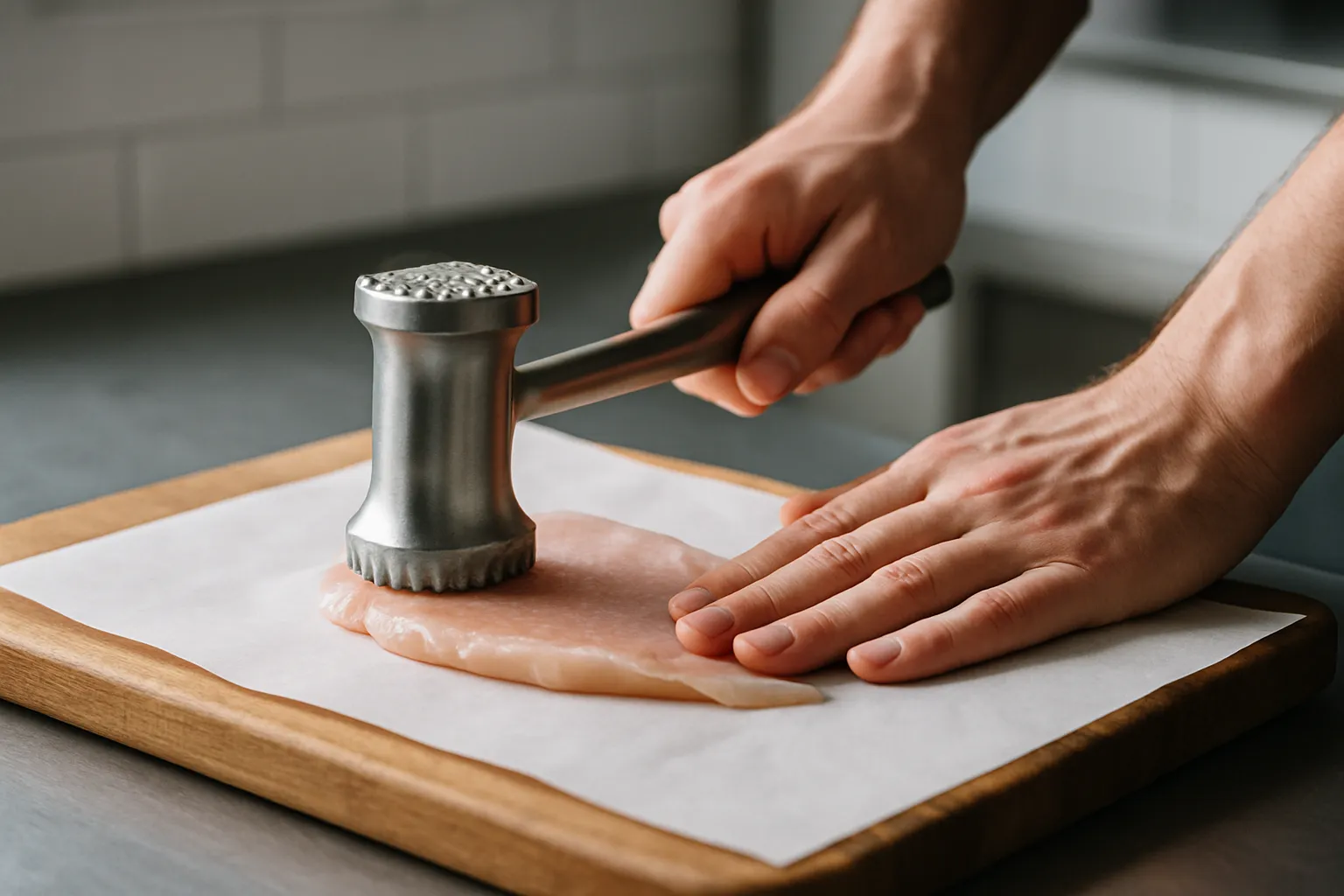
- If breasts are uneven in thickness, place between two sheets of parchment paper and gently pound with a meat mallet to an even 2cm thickness throughout. This ensures uniform cooking and prevents dry edges.
- Season both sides generously with salt, pepper, garlic powder, and Italian herbs. Let rest for 5 minutes to allow seasonings to penetrate the meat.
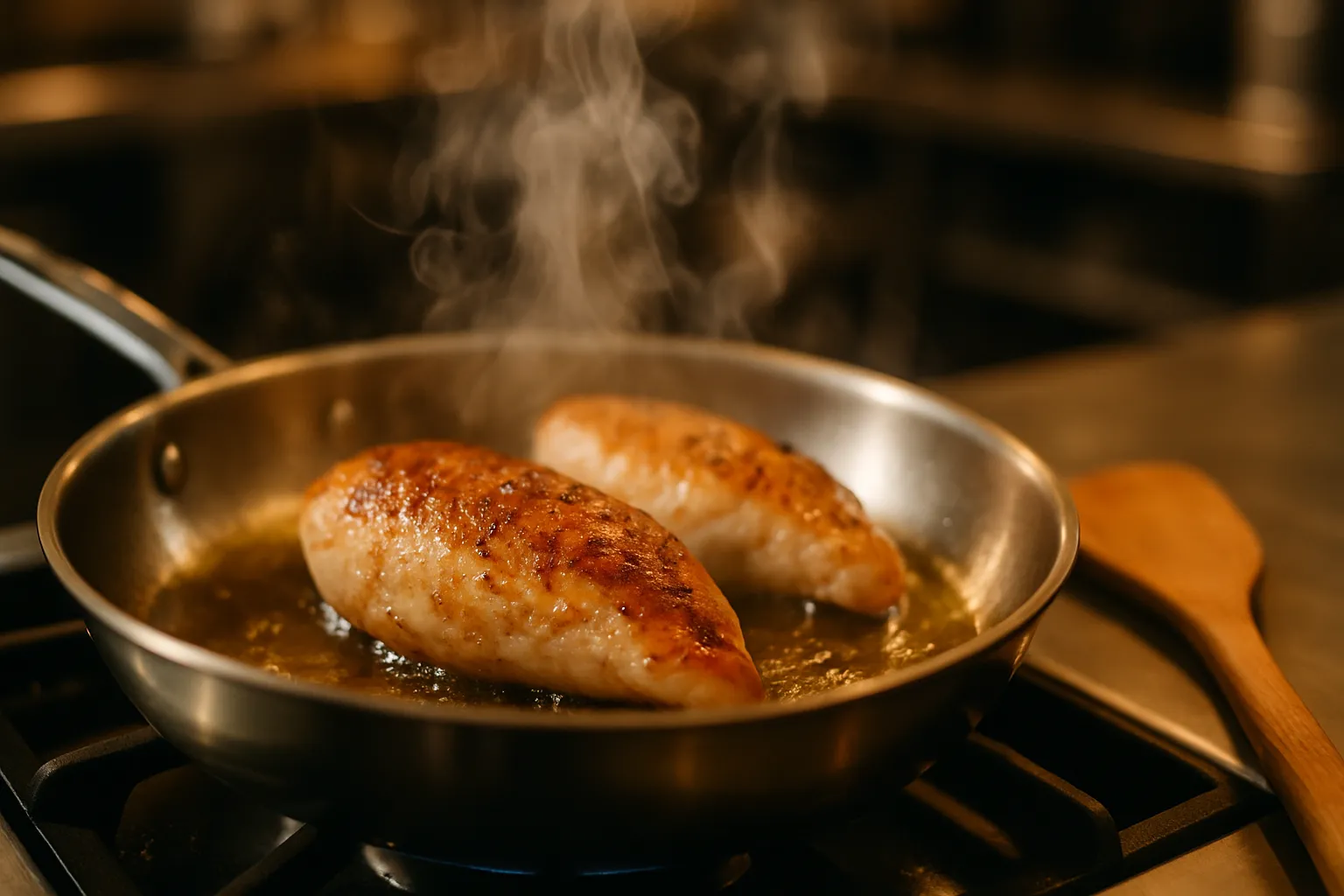
- Heat olive oil in a large skillet over medium-high heat until shimmering but not smoking. Carefully place chicken breasts in the pan without crowding, leaving space between each piece.
- Cook undisturbed for 6-7 minutes until a golden-brown crust forms on the bottom. Flip once and cook for another 6-7 minutes on the second side.
- Reduce heat to medium and add butter and lemon juice to the pan. Baste chicken with the pan juices for 1-2 minutes until internal temperature reaches 74°C (165°F) when measured with a meat thermometer in the thickest part.
- Remove chicken from heat and transfer to a clean plate. Tent loosely with aluminum foil and rest for 5 minutes—this allows juices to redistribute throughout the meat.
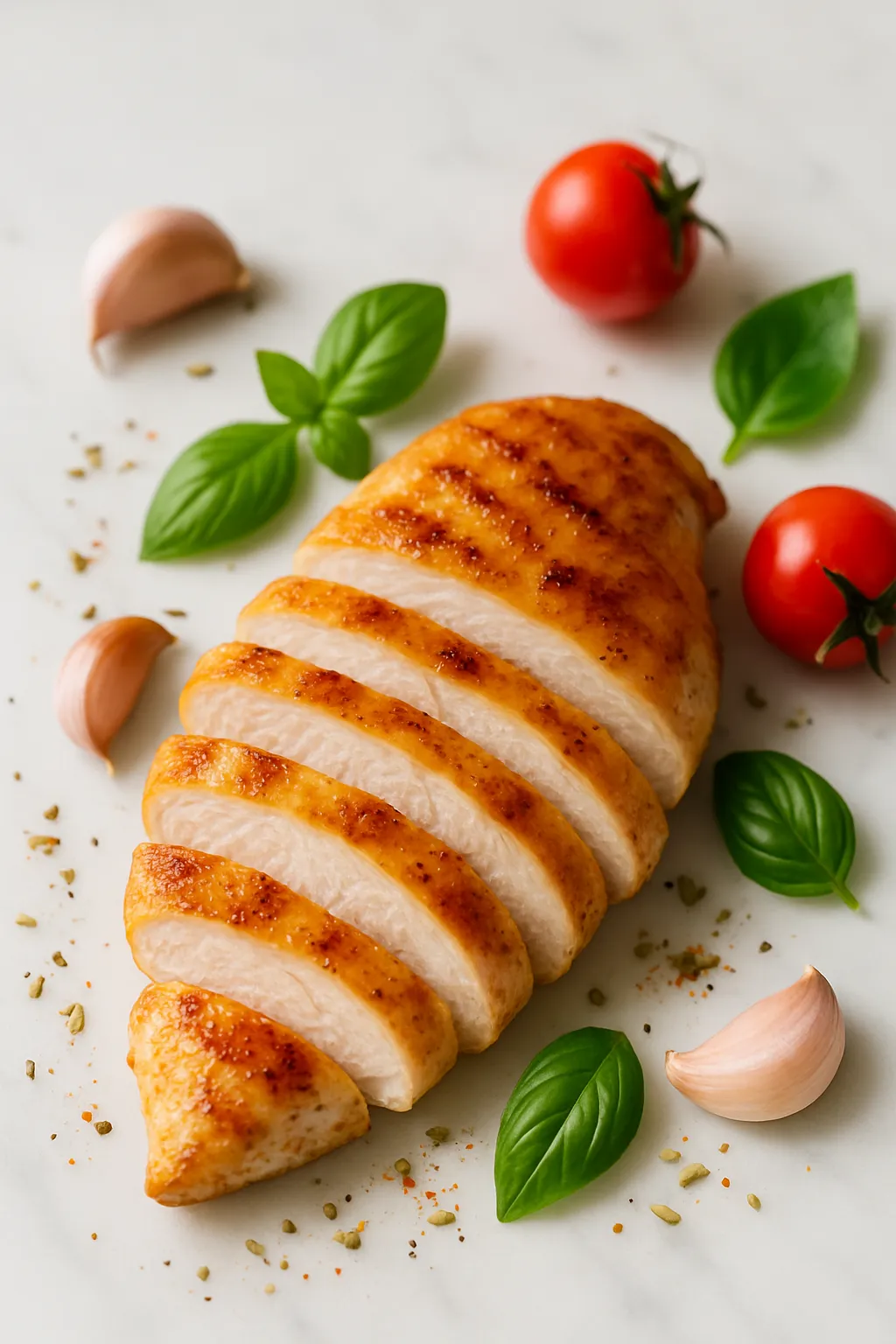
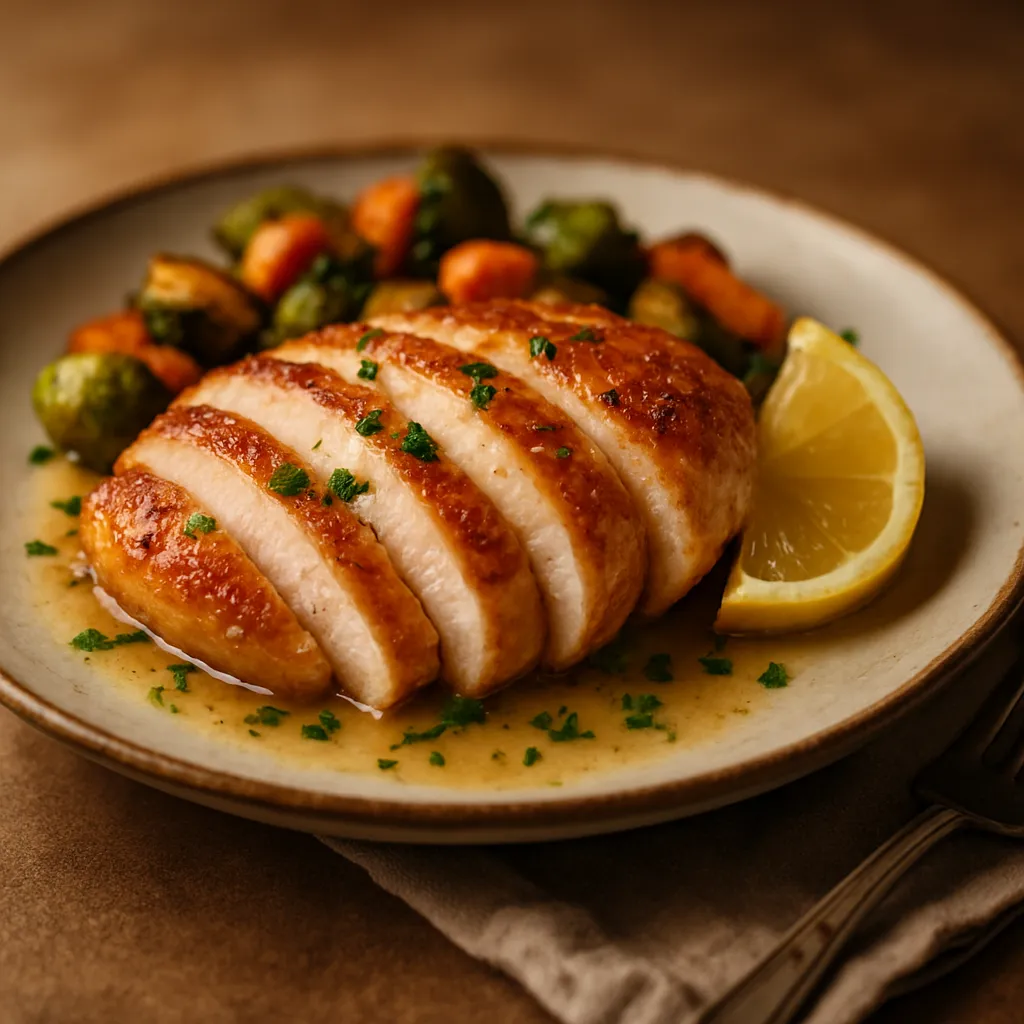
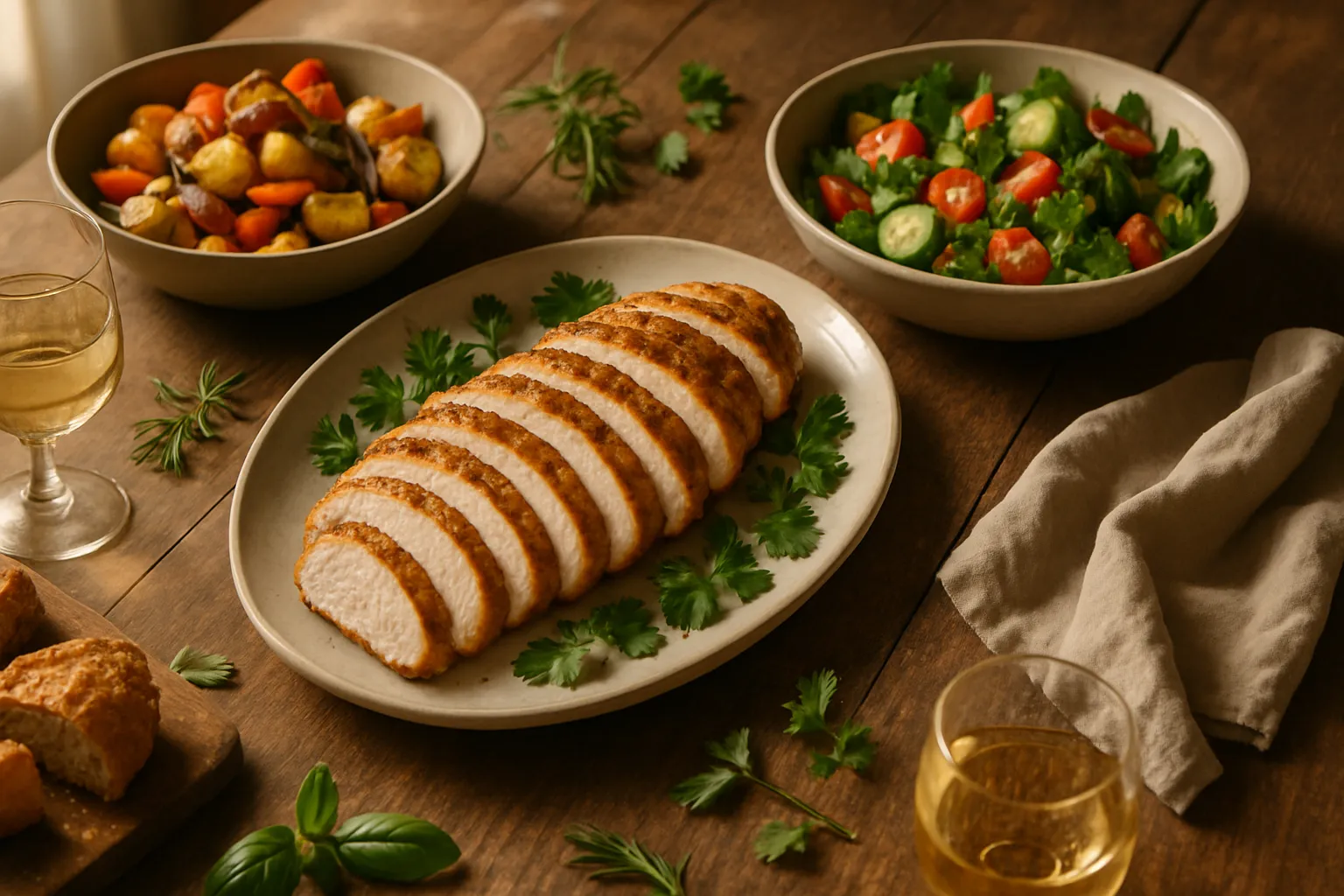
- Slice against the grain if desired, drizzle with pan juices, garnish with fresh parsley, and serve immediately while hot and juicy.
Chef’s Tips
- Always use a digital meat thermometer to check doneness—insert it into the thickest part of the breast horizontally to get an accurate reading of 74°C (165°F).
- For extra moisture retention, brine chicken breasts in a solution of 60g salt per liter of water for 30 minutes to 2 hours before cooking. Rinse and pat dry before seasoning.
- If pan-searing, resist the urge to move the chicken around. Let it sit undisturbed to develop a proper golden crust that locks in juices.
- Carryover cooking will raise the internal temperature by 2-3°C after removing from heat, so you can pull chicken off at 72°C if you prefer.
- For meal prep, cook multiple breasts at once and store sliced in airtight containers with a drizzle of olive oil to prevent drying out in the refrigerator.
Common Mistakes to Avoid
- Overcooking is the number one reason for dry chicken breast. Always use a thermometer and remove from heat at exactly 74°C—even 5 degrees over will result in tough, dry meat.
- Cooking chicken straight from the refrigerator leads to uneven cooking with cold centers and overcooked edges. Always bring to room temperature first.
- Cutting into chicken immediately after cooking releases all the precious juices onto the cutting board instead of staying in the meat. Always rest for at least 5 minutes.
- Using high heat throughout cooking can char the outside while leaving the inside undercooked. Start with medium-high for searing, then reduce to medium to finish gently.
- Skipping the pounding step when breasts are uneven in thickness results in thin parts drying out while thick parts remain undercooked.
Variations
- Pollo alla Milanese: Coat pounded chicken breasts in flour, beaten egg, and breadcrumbs mixed with Parmesan, then pan-fry in olive oil until golden and crispy.
- Chicken Piccata: After cooking chicken, make a quick pan sauce with white wine, capers, lemon juice, and butter for an elegant Italian classic.
- Mediterranean Style: Marinate in olive oil, lemon, garlic, and oregano for 2 hours, then grill over medium heat for smoky, herb-infused flavor.
- Stuffed Chicken Breast: Butterfly the breast, fill with spinach, sun-dried tomatoes, and mozzarella, then bake at 190°C for 25-30 minutes.
- Asian-Inspired: Marinate in soy sauce, ginger, sesame oil, and honey, then stir-fry sliced chicken with vegetables for a quick weeknight meal.
Storage
Store cooked chicken breast in an airtight container in the refrigerator for up to 3-4 days. Raw chicken breast should be used within 1-2 days of purchase or frozen immediately. For freezing, wrap individual breasts tightly in plastic wrap, then place in freezer bags with air removed; freeze for up to 9 months. Thaw frozen chicken in the refrigerator overnight (never at room temperature) or use the defrost setting on your microwave. Once thawed, cook within 24 hours and never refreeze raw chicken that has been previously frozen.
Frequently Asked Questions
What is the safe internal temperature for chicken breast?
The safe internal temperature for chicken breast is 74°C (165°F) as measured with a meat thermometer in the thickest part of the meat. This temperature ensures all harmful bacteria are eliminated while keeping the meat juicy if not overcooked.
How long can you keep raw chicken breast in the fridge?
Raw chicken breast should be cooked or frozen within 1-2 days of purchase when stored in the refrigerator at 4°C or below. Always check for any off odors or slimy texture before cooking, which indicate spoilage.
Why does my chicken breast always turn out dry?
Dry chicken breast is almost always caused by overcooking beyond 74°C. Other contributing factors include cooking from cold, not resting the meat after cooking, using very high heat throughout, or choosing low-quality, previously frozen chicken with poor moisture retention.
Should I pound chicken breast before cooking?
Yes, pounding chicken breast to an even thickness (about 2cm) ensures uniform cooking so the entire piece reaches the safe temperature at the same time, preventing dry edges and undercooked centers. It also reduces overall cooking time.
How do you know when chicken breast is done without a thermometer?
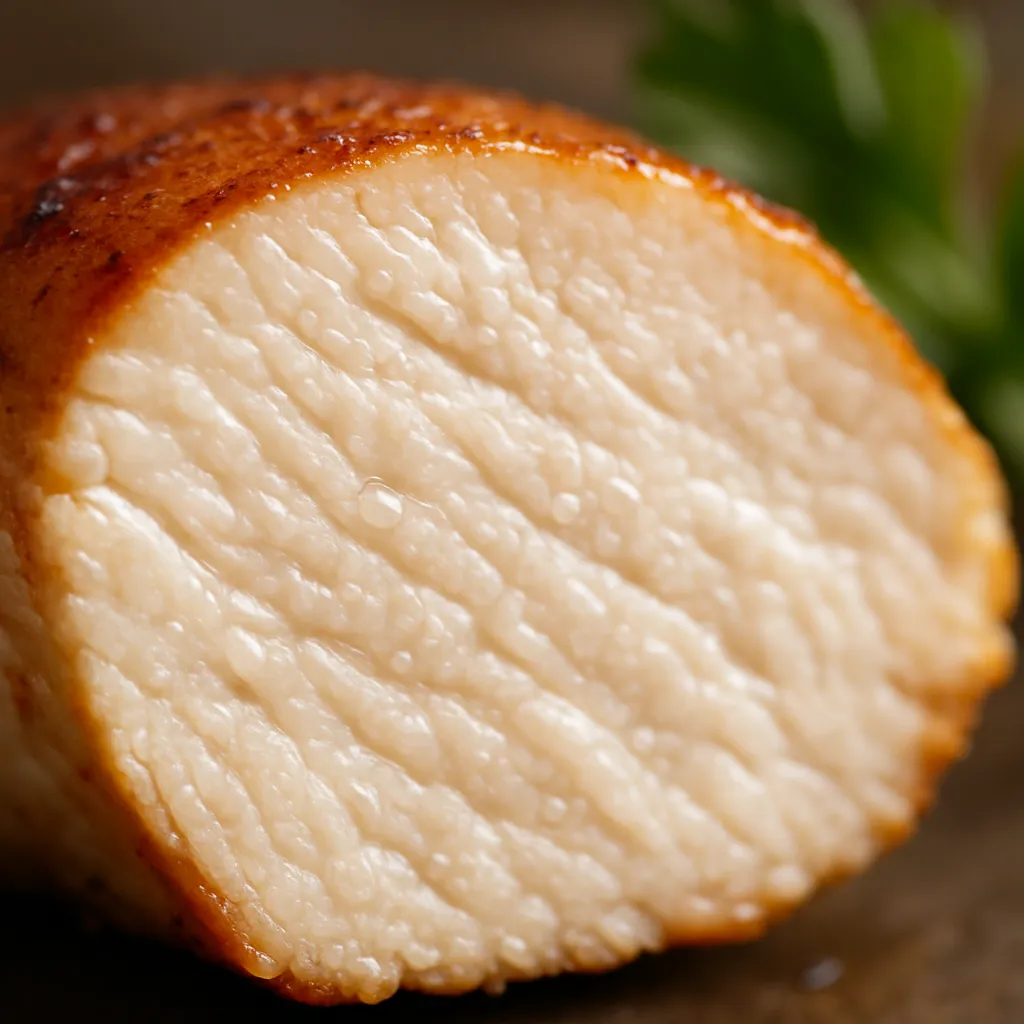
While a thermometer is always recommended, you can check by cutting into the thickest part—the meat should be opaque white throughout with clear juices running out, not pink. The texture should feel firm but still springy, not rubbery. However, this method risks overcooking or undercooking.
Can I cook chicken breast from frozen?
While possible, it's not recommended as it leads to uneven cooking and increased risk of a dry exterior with undercooked interior. Always thaw chicken in the refrigerator overnight for best and safest results. If you must cook from frozen, use gentle oven methods at lower temperatures and expect 50% longer cooking times.